Tag: Indie Gaming

  • Weekly Gaming: Q.U.B.E Directors Cut (Xbox One)

    Weekly Gaming: Q.U.B.E Directors Cut (Xbox One)

    It’s been a while since I last played a puzzle game for the hell of it. I ended up playing 1010! just for the competition of beating my friends, but otherwise, I haven’t exactly gone out of my way to challenge my mind. After having a productive week in regards to games development and work relating things, I decided to dedicate my entire Saturday night to playing and completing a game. So, sitting in front of my Xbox One, I decided to look back through the many games I’ve purchased and never played, and happened across Q.U.B.E, by Toxic games.

    vlcsnap-2016-03-13-00h48m46s32

    I’ve seen the game multiple times in the last few years, but always dismissed it as “just another portal ripoff” before going about my day. It wasn’t until the Develop conference in Brighton that I finally started paying attention to the game when I met Dan Da Rocha. Having spoken to him and then going off and watching some trailers, I decided I would buy the game, and one day (time pertaining) would give it a play. Suffice to say, I’m glad I did.

    The game starts out like a typical indie game: you’ve lost your memory, and are in a strange simplistic (aetsthically speaking) place. You walk along and start getting voices radioed to you: apparently you’re in a space station which is close to earth and have been tasked with destroying this alien station for the benefit of all mankind. Walking on, you find a room which makes you go into sectors, with the first sector teaching you the basics of the game; namely cube manipulation.
    vlcsnap-2016-03-13-00h49m11s39

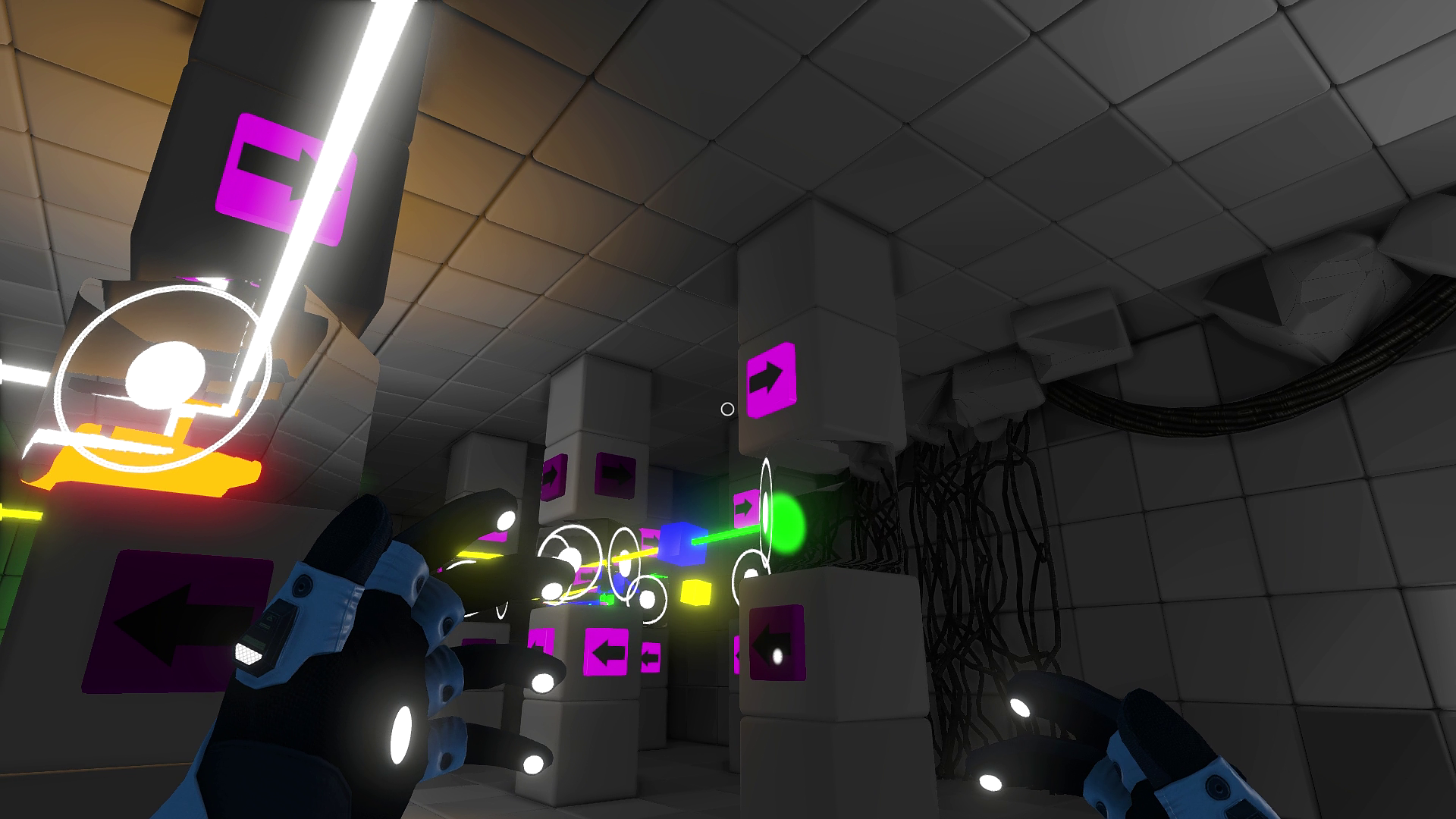
    You see, QUBE (which stands for Quick Understanding of Block Extrusion) does what it says on the tin. You must make your way from point A to point B (the exit) using blocks that extrude from the walls and floor. Each colour of blocks behave in a different way: red blocks are regular and extrude one press at a time, yellow extrudes as a group, blue as a spring, and purple as a room rotation. Using different combinations of these blocks will allow you to traverse the environment, and in turn, get to another sector.

    When I write it down like that it makes the game sound a lot easier than it actually is, but with each new sector comes a new way to use and present this basic building blocks. Sector 4 for example turns out all of the lights, meaning you can only see the colours of a set of blocks when you turn those specific blocks on. I thoroughly enjoyed a sector where you played with exposed electrical wires; multiple grayed out coloured blocks would be laid out before you, and it was up to you to use your block extruding techniques into guided these wires into powering the grayed out blocks. It was thoroughly enjoyable, and made for a new way of looking at the world.

    vlcsnap-2016-03-13-00h48m56s151

    I didn’t feel the graphics was anything great throughout my playthrough; yes, the cubes look polished and the presentation is slick throughout, but at the end of the day, you’re still only looking at a bunch of basic cubes, something modern game engines can do with relative ease. I did enjoy the music though (whenever it made an appearance), as it’s mellow tones and sometimes dramatic bass made the experience feel more alive and serious, something I would never thought I’d say about a puzzle platformer.

    The story, to, is actually fairly complex and some great icing on an otherwise tasty cake. The back and forth between two characters saying things completely at odds against at each other leaves you as a player constantly guessing as to what the true intentions of the facility really is. Even in the games final moments, I genuinely didn’t know what was going to happen. It was exicting, and another reason to keep me motivated throughout the games 2 hour play time.
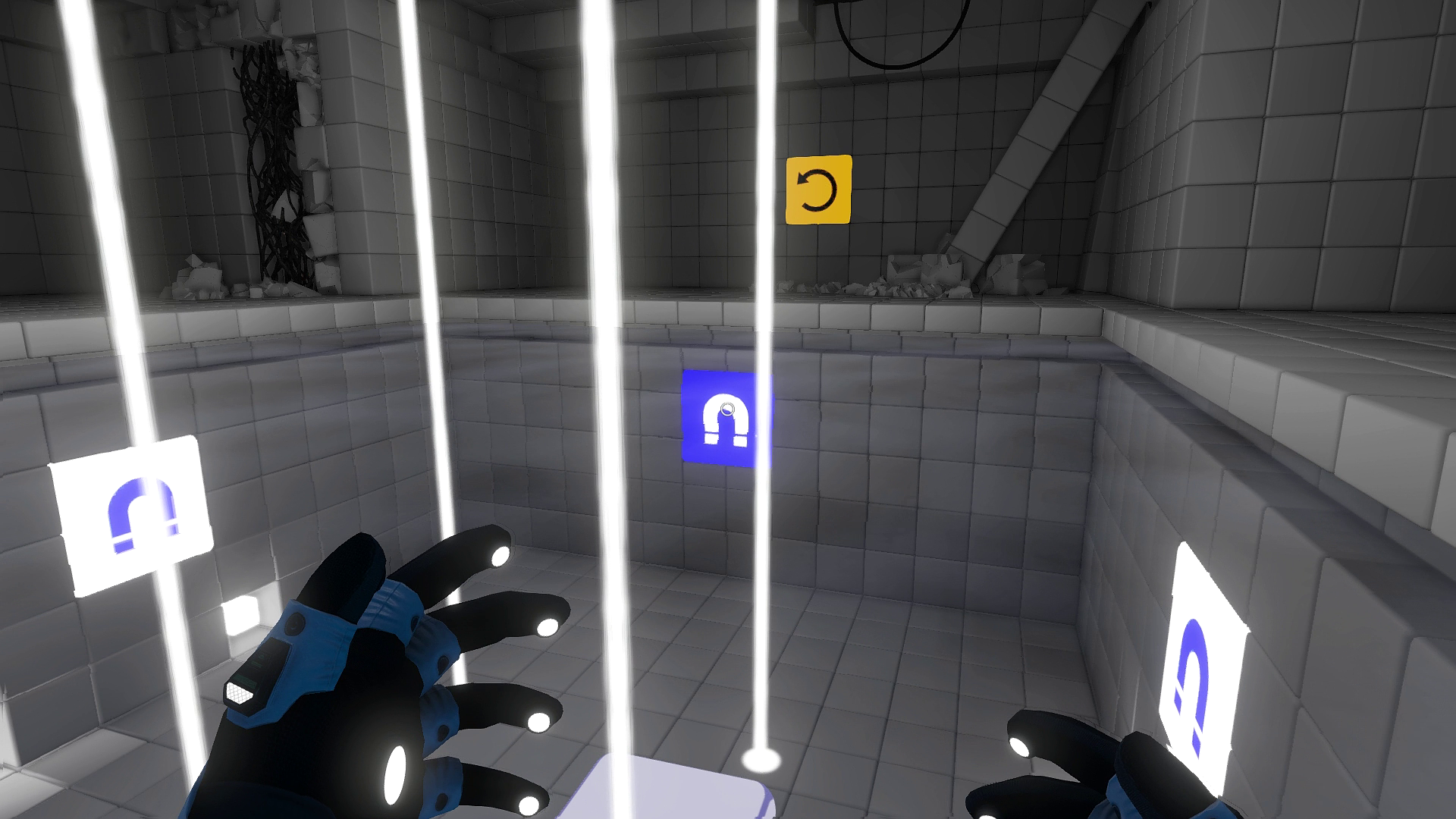
    vlcsnap-2016-03-13-00h49m21s133

    I suppose what I enjoyed most about Q.U.B.E was the fact that no one thing ever felt out of place or every overstayed its welcome. Puzzles and new mechanics would be shown to the player fairly frequently, pushing them to learn a new method of getting past a section in a short amount of time. Each new mechanic would be iterated time and time again, meaning nothing ever felt repetitive, despite the core building blocks of the game (protruding red, blue, yellow and purple blocks) being exactly the same. It’s extremely clever, and I have to had it to the guys at Toxic Games; they done a fantastic job.

    So, is Q.U.B.E a game I should have played when it first come out? Doing a little digging around on Google tells me I made the right choice by playing the game now; the original game (not the directors cut) had no story, and no voice acting, meaning the game was 100% about the puzzles. Whilst these puzzles are good in their own right, I can’t help but feel the game would have felt a little more boring if they were the only thing to experience. Should you not have played the game by now, by all means give it a go; I know I’ll certainly be getting my other half to play the game since she loved portal so much, and I hope if you do play the game, you feel the same way.

    4/5
  • Weekly Gaming: Teslagrad

    Weekly Gaming: Teslagrad

    I’m genuinely surprised that in all my years of gaming, I hadn’t played Teslagrad sooner. It’s charming graphics and genuinely fantastic puzzle mechanics are exactly what I look for in indie games, and Teslagrad does not disappoint. And yet, here I am, 3 years after it’s original release date stiill having not played it. So what gives? Well until the game was being re-released on Xbox One and a professional contact offered me a review copy, I jumped at the chance to give the game a go (only just realising that I also own the game on PS3 and PC already). So what does this 3 year old indie game offer that keeps it so intriguing and fantastically charming in the modern age of the indie revolution? to put it simply: everything.

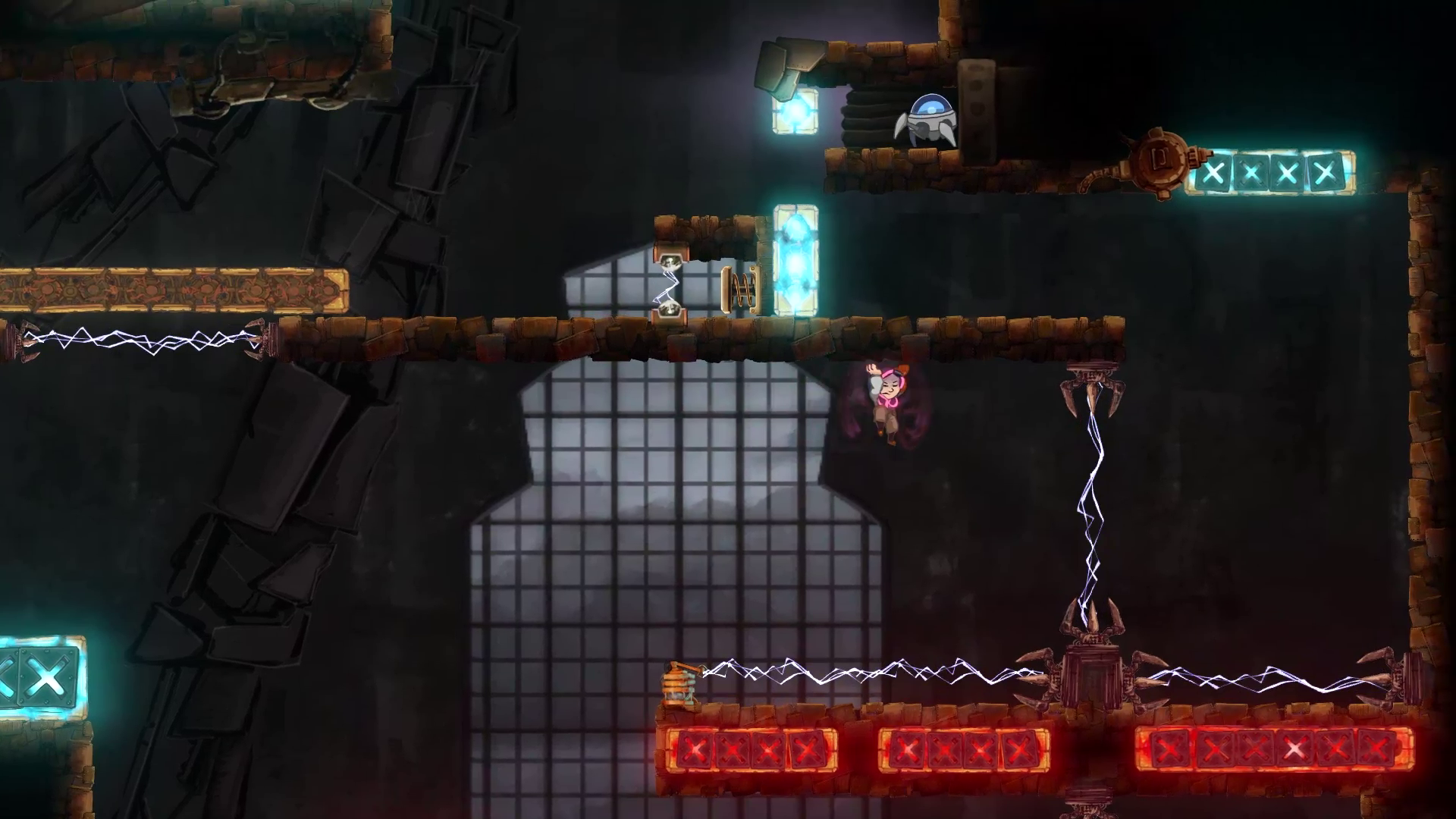
    The first thing that draws your attention about Teslagrad is its aesthetics. The simple, fantastically animated hand drawn models are an absolute slender to behold throughout your entire play-through of the game. I found myself often standing and admiring the animation that was unfolding before me, especially in the final fight scene, where the evil king of the world’s animation is absolutely sublime, leading myself to many unwanted deaths due to the eye candy on display.

    vlcsnap-2016-03-08-23h43m49s610

    You’ll start the game off by abandoning your mother as a large group of soviet looking men invade your home town. Making your way past these evil men, you happen across an abandoned castle, where the game starts proper. You’ll get tidbits of story throughout the campaign, told through puppetshows on a theatre stage, but there’s no text and no speech, meaning there’s some room for imagination as to what happens in the world. This may seem a little light, but that’s the case with Teslagrad, as it’s mostly the gamplay that will keep players interested throughout the campaign.

    And my god does the gameplay deliver! This hybrid puzzle/adventure platformer does a fantastic job of making the player feel frustrated at times, but oh so brilliant when a puzzle or difficult section is overcome. The amount of times I would spend 10-15 minutes stuck on one section were insane, but I never felt worse of for it. The puzzles are addictively tantalising enough that you want to pick the controller up and play again, regardless of how difficult the puzzle may be. No matter how many times Teslagrad punches you to the floor, you’re bound to get back up again just to show it who’s boss.

    vlcsnap-2016-03-08-23h44m05s075

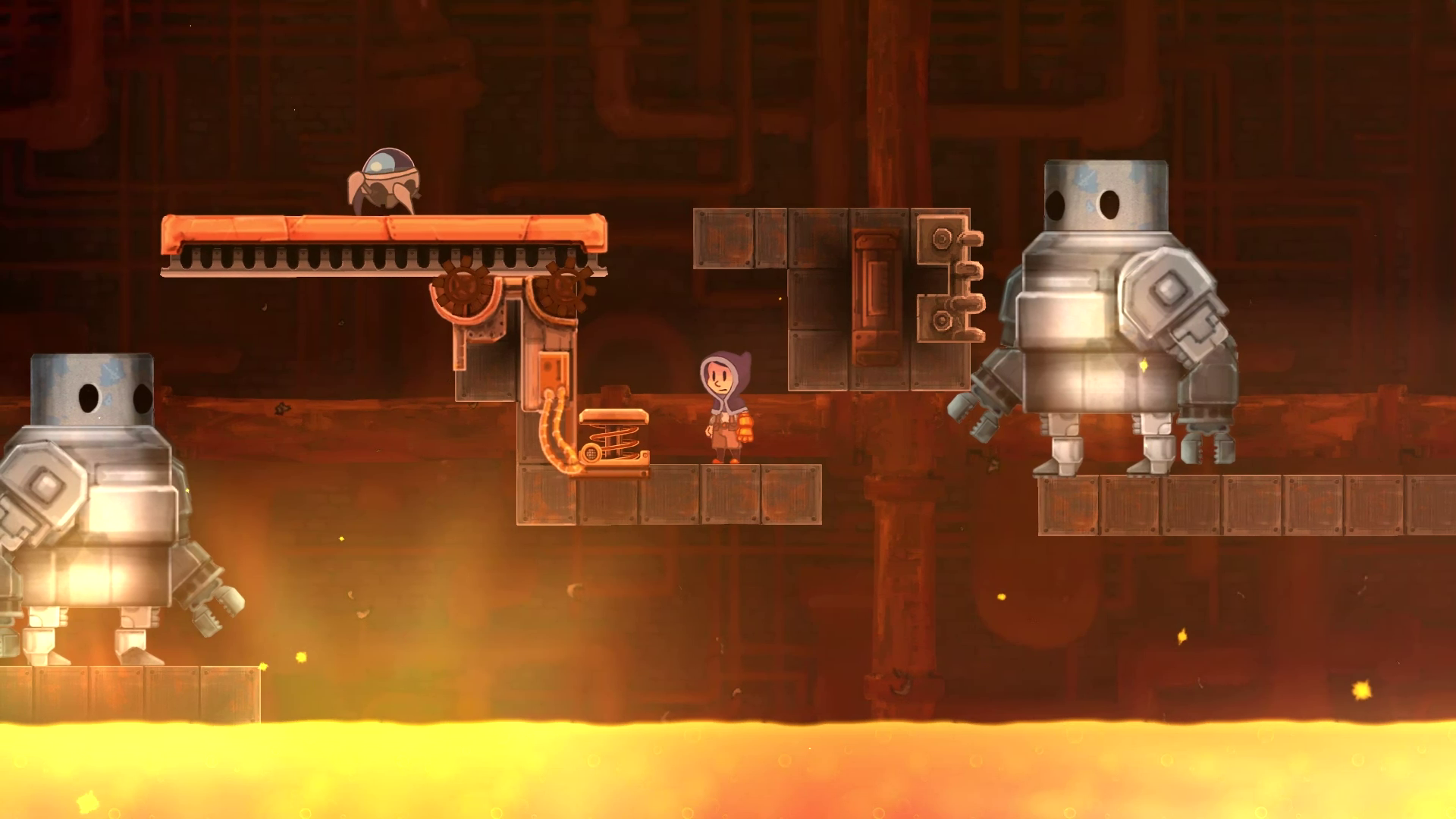
    The puzzles revolve around electromagnetism, with red and blue different types of magnetism adjourning many different rooms. Just like real electromagnetism, should an items “colour” be the same as another, it’ll be repelled. Have the opposite colour/charge, and the item will attract. It’s simple in theory, but can make for some extremely complicated puzzles, as well as some frustrating platforming sections, especially later on once you start getting new power ups which revolve more around your own reflexes than puzzles.

    The abandoned castle holds many secrets, and like any true metroidvania game, many collectibles that are hidden behind tantalisingly easy puzzles that can only be recovered once you have the necessary power-up. Whilst other metroidvania games can feel obtuse and annoying when they do this, Teslagrad instead feels rewarding in doing so, ensuring you’re constantly wondering what awesome power lays before you to enable such an impossible jump.

    vlcsnap-2016-03-08-23h43m40s060

    Upon your travels through the tight corridors of the castle you’ll also encounter boss fights. In these fights you’ll need to watch the attack patterns of the bosses and attack when needed. Sounds simple in theory, but I lost far more lives than I would like to mention whilst taking them on, with one boss even requiring me to look up a video guide on how to defeat it (it’s the eye boss if you were wondering).

    but for all the good I’ve said, there are some drawbacks. The music for example can have some absolutely lovely moments, but for the most part it takes a back seat, and is far too subtle to even notice there’s music playing at all throughout the main game. Another annoyance was the somewhat annoying collision bugs that sometimes manifested throughout the campaign. These would happen when an obstacle was moved, but should you go back to the original location of it, your character will push against an invisible wall.

    vlcsnap-2016-03-08-23h43m31s719

    Whilst the story never truly ends with a proper crecesendo, it was a fantastic adventure, one I’m annoyed at myself for never playing sooner. The little nuisances I just listed were no where near enough to detract from the overall feel of the game, with everything else about Teslagrad being a stand out achievement of what most indie games should aspire to be. Aesthetics, polish, puzzles and action are just some of the wonders Teslagrad brought to the table, and three years on, they’re just a good as ever.

    4/5

  • Weekly Gaming: 140 (PC)

    Weekly Gaming: 140 (PC)

    I know I know, I seem to be on an abstract indie platforming stint at the moment, what with 6180 the moon last Friday and this week indie hit 140. I mean, who can blame me? These games are short, but both award winners because of how far they push their simplistic mechanics. Having restrictions really is a fantastic thing in the world of games, helping to push creatives to their limits when it comes to original and refreshing games.

    vlcsnap-2016-02-17-21h23m29s324

    So what is 140? As with last weeks 6180 The moon, the title really doesn’t tell you anything about the game, and seemingly feels quite random. Again, like 6180, 140 is an abstract (think simple shapes and colours) platformer, where the player must make their way through 3 different levels, making sure to keep their jumping and movements in tune with the music constantly playing in the background.

    Simple premise again I know, but where I genuinely got hooked to 140 was in it’s fantastic style, and brilliant music mechanic, where the patterns you see and hear truly help you to advance throughout each level. Each level introduces new obstacles and mechanics to take advantage of; some blocks for example may change in size depending on the beat, whilst others may become deadly at set intervals. Regardless how you start out playing 140, you eventually get into a rhythm where you listen to the music whilst observing what new obstacles lay before you. After a few attempts, you’ll manage to successfully pass the puzzle before you, only to see it mutate and naturally become more advanced later on.

    vlcsnap-2016-02-17-21h24m13s602

    This simple repeated premise helps keep 140 enticing for the entirety of its hour playtime, with myself raging when my controller ran out of battery and couldn’t reconnect until I restarted the game. I didn’t mind too much; replaying an entire level was really enjoyable, especially when you’ve learnt how a level reacts to the music. It helps to make you feel intelligent for overcoming the challenges laid before you.

    There’s no story to speak of, but the game has got “boss” battles, which are all different and challenging in their own right. Whilst there’s no context as to why you’re advancing through each of the levels other than progression for progressions sake, it was fairly refreshing to play a game that was purely about the mechanics, rather than trying to knit a story into an otherwise abstract game.

    Now onto the music. It genuinely cannot be stated how good the music in 140 is, and how important a role it plays in the gameplay itself. As an example, listen to an excerpt of the music below:

    (yes, I know that’s not the game’s official soundtrack, but unfortunately the developer never got around to separating the games audio from the game itself, so somethings bette than nothing!)

    It’s genuinely stunning. I’m just annoyed there isn’t an official soundtrack for the game, as I’m fairly certain it’d become my new go-to programming/generic background soundtrack.

    vlcsnap-2016-02-17-21h25m20s104

    All in all, I’m genuinely glad I played 140. It’s been in my steam library for yonks (2 years apparently; I wasn’t even aware) and was a game I always overlooked. So my recommendation to you: should you look in your steam library and see 140 towards the top, do me and yourself a favour and play the game. It’ll only take an hour (two hours if you want to do the optional 3 levels where you have no lives), and is thoroughly enjoyable.

    4/5

  • Weekly Gaming: Beyond Eyes (Xbox One)

    Weekly Gaming: Beyond Eyes (Xbox One)

    maxresdefault (1)

    Hi all!

    So this week I went out of my way and decided to buy the game I raved about when I first set my eyes on it back in March, Beyond Eyes! The game was unfortunately a big disappointment, but if you want to read my thoughts on the game, click below:

    http://www.vgchartz.com/article/260380/beyond-eyes-xbox-one/

    Hope you’re all well!

    -Dan

  • Weekly Gaming: Concursion

    Weekly Gaming: Concursion

    Hi all,

    Once again, I’ve managed to write a review for gamrReview.com. This week, it’s on the indie game Concursion that I saw back at EGX rezzed back in March. The review can be found below:

    http://www.gamrreview.com/review/91558/concursion-pc

    I’ve also been putting in more time and effort into my game, so please, clink the link below to give it a go:

    Twixel

    As always, thank you for reading,

    Dan.

  • Weekly Gaming: Shelter (PC)

    Weekly Gaming: Shelter (PC)

    FUCK THE SHELTERRRRR
    The aesthetics of Shelter are certainly unique and abstract, making it both lovely and strange at the same time. Animals, and the world itself are easily recognisable, but there were times when I felt that a different art direction may have been more of a benefit of Shelter than a detriment.

    Shelter has been on my radar for a while. I mean, a game where you play as a mother badger caring for its young in this harsh reality that is life is certainly a unique experience that doesn’t come around often, if at all in todays fast paced, adrenaline-fuelled industry. It’s a new game from the indie studio Might and Delight which brought us Pid, and is certainly ambitious for this young studio. The very premise is emotional in nature, but does the game deliver on that emotion, or is it just a selling point in this crowded and hard market to break?

    FUCK THE CUBSSSS
    Looking after your little cubs is essential to progressing through Shelter, with hunger and threats trying to snatch them from you at every opportunity.

    You start the game in a cave, with you (the mother badger) and 4 cubs huddled around a grey cub on the floor, moaning and crying. The game gives no prompts, no instructions, but you just know that you somehow have to help this cub out. It’s helpless, crying, and needs attention. You walk around the corner, with your other healthy cubs following you, to find a carrot. Taking this carrot to the sick cub helps him up and ensures he is now a healthy colour, and can follow you on your journey through this evil land. This simple introduction to one of the core mechanics of the game is extremely primitive, yet effective in communicating how to care for your young, and what will happen if you don’t.

    For the first moments of the game, you’ll be slowly walked through this world. It doesn’t take long getting used to scrummaging for food, since your badgers are happy to eat anything from vegetables to frogs or even foxes. Giving food to individual cubs can be a hassle, especially when one is starving and grey, with each cub trying to grab food regardless of whether they’re full or not, but this at times only adds to the cub’s dynamism. Eventually, you’ll start coming across the real threats of the forest: birds of prey. These hulking beasts try to snatch your cubs if you stay in the open long enough. It’s fairly simple to avoid them at the start, but its worrying when one swoops in only to barely miss a cub. You genuinely care for them and don’t want to see one go.

    FUCK THE NIGHTTTTT
    Each environment brings with it a new danger, with night time scaring your cubs to run away everytime they hear a noise. Keeping them close to your safety helps to keep the family on track, allowing you to progress through the scary world.

    As the game progresses, it’s the environments that bring new threats to your family rather than predators, meaning you have a lot more to fear. Each new area is unique in the way it highlights simple weather conditions that we may find sublime, but in turn become a new dangerous threat to this young family. Night time may not too frightening as we walk around with street lamps and paths, but for your cubs, even the slightest nose will startle them, making them run in any direction possible. One of the most emotive levels was when it started raining, which may seem like a trivial thing in our world, but for the badgers it brings threats around every corner, from the rivers and the hills. Everything in this world is a fight for survival, and you certainly don’t want to let a single cub down and let them die, because if they do, it’s not their fault, it’s yours, with the emotional guilt I can imagine being too much to handle for some players.

    For all it’s emotion, Shelter isn’t without its faults. Some levels are frustrating, with some being so open you’re not sure where to go in order to continue across this scary world. My biggest gripe was probably trying to feed individual cubs, with the action button to put down food not working when in close vicinity to a cub, it was pot luck as to whether you could get your food to a hungry cub or not. Some may argue that this builds a family, with each cub having a personality; some being greedy and fat, with others being left out and weak. As much as I like this answer, and wanted to believe it myself, I can’t help but think it’s making excuses for a buggy game.

    FUCK THE RAINNNNN
    The rain level is easily one of the most emotive, bringing on emotions you didn’t think possible in a casually rainy day. The rain brings on a certain worrying feeling you would never expect when it comes to something as trivial as rain, but in the world of the small, everything’s a danger.

    I may be saying this a lot lately, but Shelter is truly a game that could not have been any other medium. Films, Books and TV’s are all passive experiences that require you to have lived through the events they portray in order for you to feel empathy. Shelter on the other hand requires you to take care of these defenceless creatures, bidding to their every whim in the hope you can ensure their survival. Old passive media wouldn’t have made me feel empathy for these creatures, I’d see them on screen and wouldn’t relate as I am not a badger, so I couldn’t possible understand how a rainy hill could be threatening. But in playing Shelter, you are immersed in a world where all you can think about is your cubs, ensuring you grow attached to them like they are your own. It manages to tap into your own human nature, with every failure not only making me feel regret at a loss like a normal game would, but for failing as a parent, and as a provider. For Shelter to make me feel this way is truly a landmark experience, one that won’t gain mass market appeal, but for those of you who do decide to play it, you’ll be left with an experience others may never feel.

    4/5