Category: Weekly Gaming/Media

  • Gaming Week 25: Dead or Alive 5 (PS3)

    Gaming Week 25: Dead or Alive 5 (PS3)

    I apologise for this weeks review, I haven’t been able to concentrate and I feel it shines through in it’s coherency. Being in the middle of a desert doesn’t help with my concentration. Without further hindrance, here’s this weeks review:

    FUCK THE FIFTH ONE
    Yep, it’s the fifth one

    It’s hard to write about Dead or Alive 5 as a standalone product, I feel I have to compare it to previous games in the series, which is a shame in its own right. Dead or Alive 4 was a great launch product for the 360, which I enjoyed playing with friends and alone, but I don’t think DOA5 quite lives up to that name in its own merit. I’ll split this review up into segments to better portray my feelings.

    Combat:

    Combat has slightly changed from the previous games in the series, meaning it took me a while to adjust to the new control system in place for fighting. Character’s combos have definitely taken a turn for the worse in my opinion, making combat a clunky affair. In previous DOA games, it was all about the button presses that defined what your character performed, in DOA5 it tends to be reliant on the direction you were pressing before pressing either punch or kick. It threw me off, I used to be able to thrash people with Kasumi, but I was found at a loss playing as her here.

    The same counters still work, but I found the timing to perform them have changed, meaning a lot of the time I was just stood there getting punched to death or countering the air as my character done the counter too late. I don’t know whats changed, but the engine doesn’t feel a versatile as DOA4.

    Graphics:

    Graphics have certainly improved over the previous game, but not a huge jump. Characters sweat throughout a match, dripping when the winner is declared; Hair is fantastically rendered and realistic. One place you can notice the graphics improvement are the stages, where explosions and physics are far more realistic than previous games.

    Story:

    I really don’t know what to say about the story of DOA5, and thats a bad thing. It all seemed so non-sensical, fights were started over food, or because someone disputed another characters dress sense. I felt like the 3 hour story mode was silly, and had such a loose plot that it was abandoned for the middle 2 hours. You could summarise it all by saying: ninjas looking for a clone, ninjas find clone, clone gets killed, everyone happy.

    Pros:

    • Solid fighting experience (not as good as previous games, but still solid)
    • Great character line up

    Cons:

    • Deluded storyline
    • Slightly laggy fighting engine

    Overall, if you want to play a fighting game with a few friends then DOA5 will do the job for you, just don’t expect too much. It’s definitely an evolution from DOA4, but not by much.

    2/5
  • Gaming Week 24: Thirty Flights of Loving (PC)

    Gaming Week 24: Thirty Flights of Loving (PC)

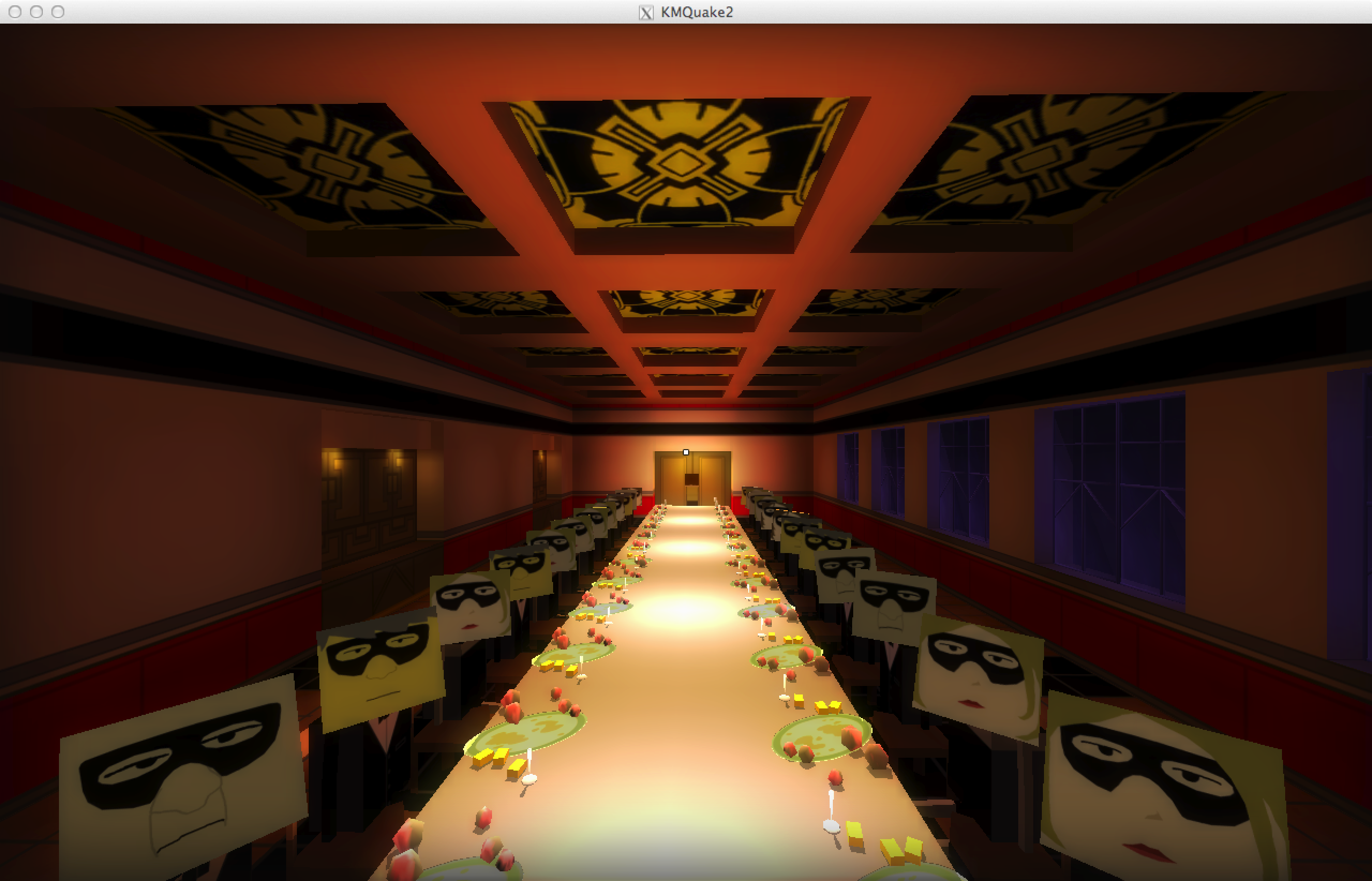
    Following on from last week I decided to play Thirty Flights of Loving, the sequel to Gravity Bone. This one was kickstarted as part of the Idle Thumbs podcast, and eventually was released to steam for download. It follows on from the themes and story outlined in Gravity Bone, and even has more depth than the first.

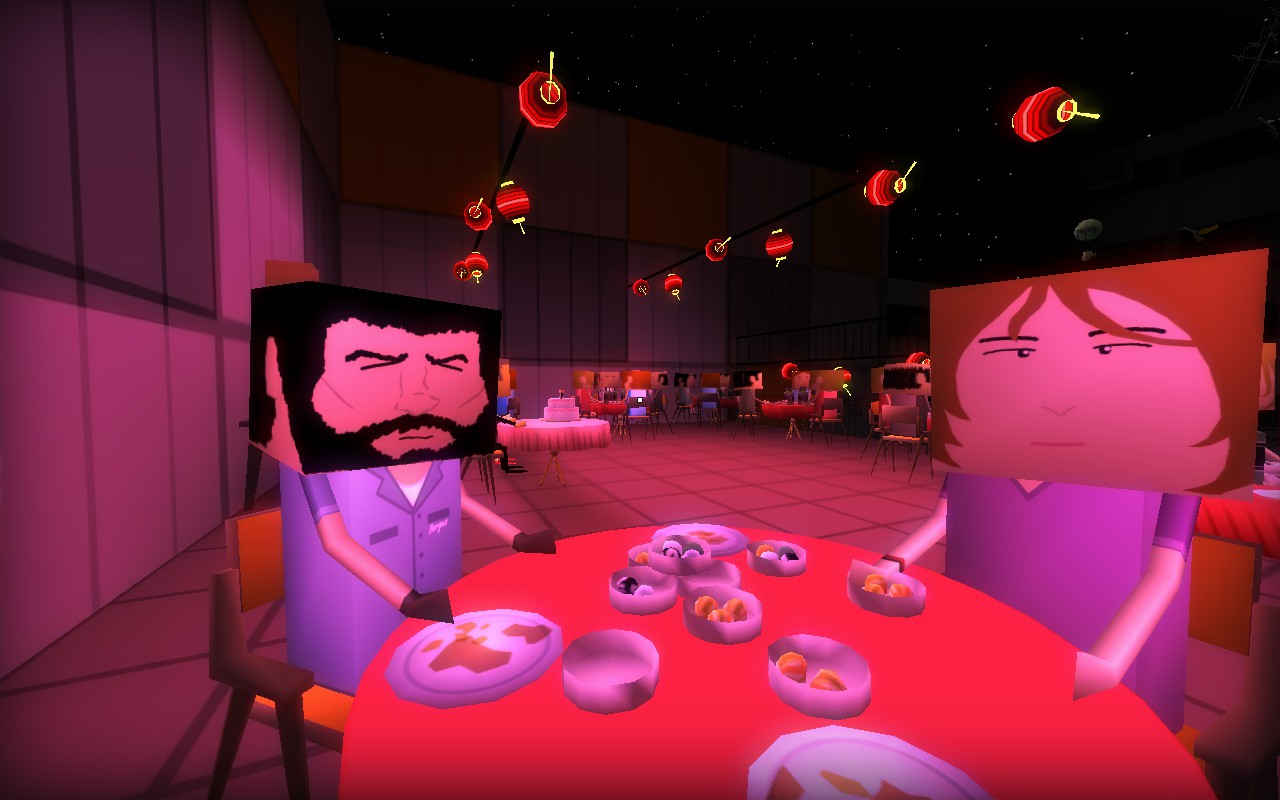
    EAT THE FUCKING CAKE
    Yayyyyy a wedding, I do love to drink at these

    You start Thirty Flights of Loving as an agent that must find his way into a secret hide out. A small poster on the wall explains the controls, and with this the game sets you on your way. Its once you set out on your mission is where you  Now it may not be a coherent story, but its you that must do the job of making it one, constantly guessing whats coming next only for your presumptions to be turned upside down.

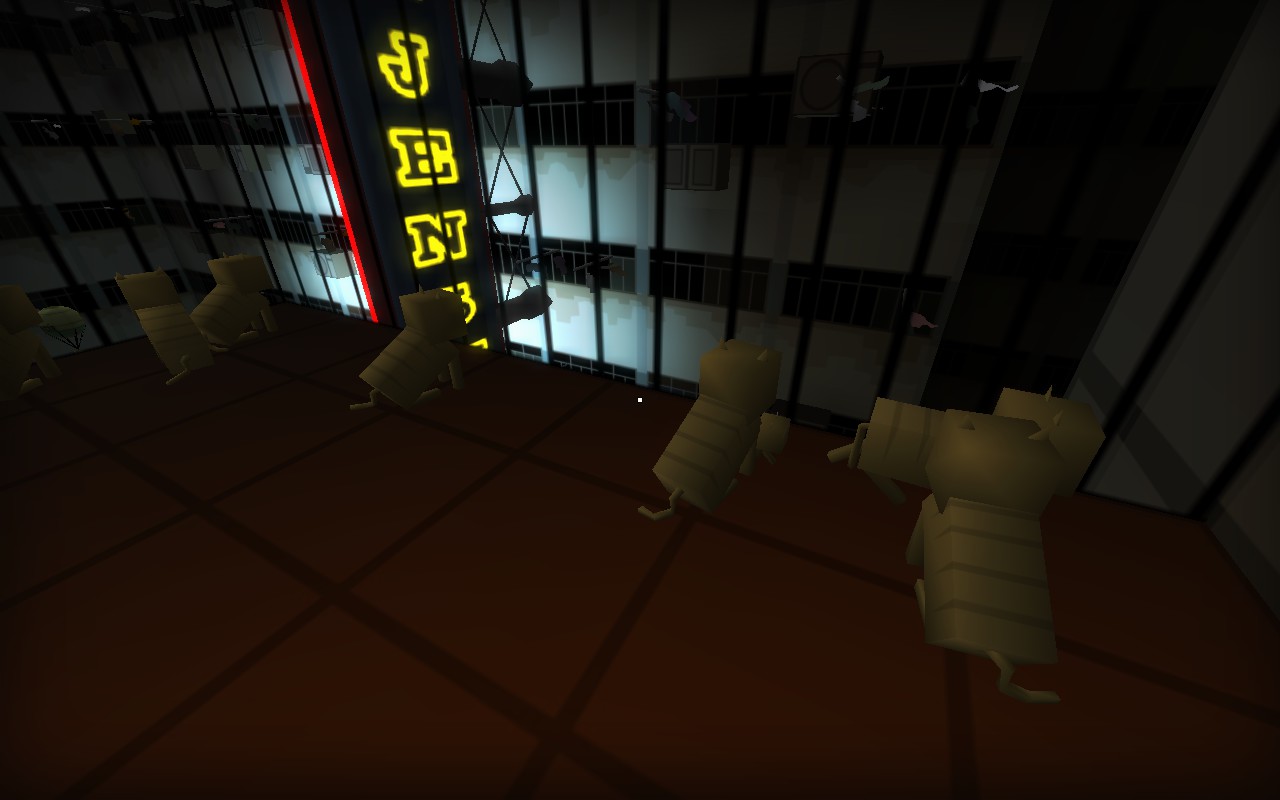
    FUCK THEM
    All the Cats!

    Game mechanics are fairly straight forward, you no longer have to use freeze spray or hammers to unlock things, instead this is a linear experience where you press E to interact with things or use WASD to move around. This isn’t a bad thing at all, but I did like the freeze and hammer combination in Gravity Bone, and would have liked Blendo Games to give it a go at other control systems, breaking them down to their core values.

    Thirty Flights of Loving has all the core values which make up a AAA game, but does so at such a simple level that it’s hard to see them. The story is told in such a fantastic way, but misses a lot of specifics, so you’re left guessing as to why things are happening/what happened. This isn’t a bad thing at all, and in fact makes the player use their brain for once to create a narrative rather than just being a set of eyes. If leaves you feeling genuinely happy when you finish the game, a feeling that is hard to come by with modern games.

    BUT SOFT AS BUTTER
    This guy’s hard as nails

    For its price, Thirty Flights of Loving is worth the investment, and certainly adds a depth to what Gravity Bone started. It’s currently £3.99 on Steam, which is great value, if you’re not sure about that (it is a short game like its predecessor) then it is on sale quite often, I think I picked my copy up for £1.49. Give it a go if you like Gravity Bone, you won’t be disappointed.

    4/5

  • Gaming Week 23: Gravity Bone (Mac & PC)

    Gaming Week 23: Gravity Bone (Mac & PC)

    For this week, I decided to write about something that is renowned for being short, but shouldn’t be disregarded for being so. I’m technically on holiday for the next 3 months, and will definitely continue with my weekly gaming, but they may be smaller games. Hope you enjoy reading this, and I will update this blog more regularly on my game development progress.

    Gravity Bone:

    FUCK THESE BITCHES
    I don’t know what I done, but it couldn’t have been good

    Gravity Bone is a small indie game made by Blendo Games, (A one man team consisting of Brendon Chung) and when I say short, I mean 20 minutes to an hour short. This isn’t detrimental to the game in any way, just be warned and don’t be surprised when it abruptly ends.

    In this short time, Brendon manages to create a narrative that would rival even the biggest of games, something that’s constantly got you questioning what’s going on and what’s the big picture. It’s certainly effective, playing from the “less is more” ideology, but can leave players feeling bummed out that they’re missing something, which is exactly as I felt until I thought it all over to write this review.

    FUCK THESE PEOPLESSSS
    Time to get to work

    Gravity Bone consists of 2 acts: the game starts out at a party, where you have an invitation which tells you to make your way to the furnace room. It’s in here that you find that you’re actually a spy who has a job to do. You need to bring a drink to a person with red hair, whilst dressed like a waiter. This is where you discover this is indeed a game, albeit stripped to it’s core. There’s no tutorials, no set up, you just do the job the game tells you to, and get on with life.

    The second act entails taking pictures of “birds”, bringing new game mechanics into play to open locked doors with your trusty hammer and freeze spray. It’s a pretty good idea, and one that allows you to figure out how to open doors yourself, with no tutorials or instructions. This second act is where the game opens up, and gives you more glimpses of story, but these are merely glimpses, meaning you need to piece it all together yourself to make sense of whats going on.

    FUCK THE LOCKS
    Pretty ingenious to freeze locks before smashing them with a hammer.

    Overall Gravity Bone shows the core mechanics of a game, without bloating itself just for the hell of it. If you want to learn the core mechanics that go into building a game, play Gravity Bone, it’ll show you the way. It’s free to download and play, and will work on Mac and PC, so give it a go.

    4/5

  • Gaming Week 22: Thomas Was Alone (PS Vita)

    Gaming Week 22: Thomas Was Alone (PS Vita)

    HE WAS ALONE ALRIGHT? HE DOESN'T NEED TO BE QUESTIONED!!!!
    Need I say more?

    Note: I wasn’t going to write a full review for Thomas Was Alone due to a bunch of other games I’ve been playing, but I then realised that just because it’s an indie game, doesn’t mean it shouldn’t get treated the same as Triple-A budget games. Especially due to how much this game touched me and made me rethink my own ideas on platformers and characterisation. So here it is, a review on a relatively recent indie game, enjoy!

    Thomas Was Alone is a platformer stripped down to its core mechanics, a player moves a character across the screen trying to get from point A to B using different techniques. It’s not only stripped down to its core mechanics in gameplay, but also in graphics, with every character being simple geometric squares and rectangles which can move at different speeds and jump at different heights.

    GET IN THE WHITE SQUARE YEAH BITCH
    As simple as this looks, this is the core concept of the game, get your character (in this instance Thomas) to the white square in which he fits. It’s simple, but fantastic.

    Everything that I just said about the game may have you thinking: “Why on earth would I want to play a game involving squares and rectangles jumping around and on other squares and rectangles?”, the answer? Story. Yes, as much as you wouldn’t think you could make a story out of any of this, there is a fantastic story to be told about each of the shapes, each of them having their own personality, each having their own motives and ambitions. It really sets a precedent for the whole gaming industry by saying that you don’t need pretty and realistic graphics to feel emotionally attached to someone, or to be empathetic towards another character.

    FUCK YOU CHRIS
    Different characters have different uses. In this example, Chris (the Orange square) is small, so can press the switch for Thomas, but Chris can’t jump high, so needs Thomas’ help.

    To say that Thomas Was Alone is a linear game only explains a little of what makes the game charming. Yes it is linear, but it never tricks you into thinking its anything else. There is always a puzzle to be had in each level, and there are sometimes multiple ways to solve it. Levels are designed to introduce each characters quirks, and then open up to allow you to exploit their advantages to the team as a whole, ensuring you use team work and co-operation to get through levels, which in turn ensures the gameplay follows and enforces the narrative of the story. It’s all a fantastic cycle.

    JOHN IS A PIMP
    Narration is a strong point for the game, allowing you to learn each characters quirks whilst solving the puzzles. Here, John (the yellow rectangle) is shown to be the show off type

    The Narration of the story is done by Danny Wallace, (who has done previous voice work as Shaun in the Assassins Creed series) and it’s a perfect fit for the tempo Mike Bithell was trying to portray. The game just flows, meaning you get so hooked and want to learn more about each character that before long you’ve played hours without realising.

    Pros:

    • Amazing characterisation
    • Brilliant story
    • Great puzzles

    Cons:

    • Shorter than I would have liked

    Thomas Was Alone is available on Steam for both Windows and Mac, as well as PS3 and Vita, so I hugely recommend everyone give it a try. It’s not going to be everyones cup of tea, but I enjoyed every minute of it, to the point that it’s changed my perception on game design, and for that, I thank Mike Bithell.

    5/5

  • Gaming Week 21: Bayonetta (360)

    Gaming Week 21: Bayonetta (360)

    ALL THE CURVESSS
    Her dress is made from her hair, how cool is that?

    Oh Bayonetta, I’ve been meaning to play you for years but never found the time to fit your into my schedule. I’ve owned you since you first was released onto the world, and my oh my how I was a fool to disregard you for so long.

    As you can probably tell from my little burst above, I enjoyed every minute of Bayonetta, and not just because of the main character. Everything from game play, to the style, to the music entranced me to my very core, making sure I constantly progressed until I had taken in all Bayonetta had to offer.

    So firstly: the game play. Bayonetta is a action game, if you’ve ever laid your hands on a Devil May Cry title in the past then you already know how this game will go, the difference you’ll find is the execution. In Devil May Cry games, or even God of War for that matter, you find a very serious plot and the action enhances the seriousness, deepening the urgency of what Dante or Kratos is doing at the moment in time; for Kratos it expands the goriness, Dante the emotion. In Bayonetta on the other hand, the action is an extension of the fun and mischief Bayonetta takes in her stride. Every action, every move, every attack all seeks to enhance the richness of this world in which angels and witches constantly fight, and Bayonetta just wants to have fun, even when things get serious. She twists and turns around the battlefield like a pole dancer, being majestic, but with a slight sense of sexiness. To put this in perspective, it speaks volumes to the fact Bayonettas dress is made out of her own hair, so when she does powerful witch spells to defeat opponents she has to go naked in order to summon her demons. It’s tongue in cheek action, but it’s stylishly done.

    The story leaves some to be desired, but overall does the job to integrate all the characters into one solid narrative, even if it is slightly confusing and doesn’t really explain/introduce key characters until the last 2 chapters. it’s still a story though, and that counts for something right?

    The combat system is spot on, making it fantastic to land massive combos, and the game really makes sure you can dodge attacks at any moment, drilling it into your head from the get go, and actually pushing it further by making puzzle sequences use the dodge mechanic too. Each fight sequence is given a ranking, to let you know how well you took on a group of enemies, this is mostly determined by how much health/items you used, but also takes into consideration your combo count. It is certainly addictive, and will get the hardcore players coming back time and time again to try and get a platinum on every level.

    One thing I will say about Bayonetta that I need to say with all the talk about sexism in the games industry at the moment: Bayonetta in my opinion is not sexist. The marketing/promotion of the game may be sexist, but the character and the game that centres around Bayonetta are not sexist at all. Bayonetta is a strong, independent woman who in fact belittles the few men she does encounter in the game, making me jealous and even respect how strong she is as a character. It speaks volumes to how Sega have made sure to walk a very fine line between marketing her to the biggest demographic, whilst also maintaining the characters main strengths, ensuring she doesn’t become a mere sex icon to be added to the games industry. I hope those people who also play Bayonetta feel the same way, and I’d be happy to discuss others opinions on the matter.

    Pros:

    • Fantastic level design
    • Combat is fast, reactive and addictive
    • Very high replay-ability

    Cons:

    • Story isn’t very clear, could do with a lot more explanation

    Although Bayonetta may be old, if you haven’t given it a go this generation, I’d recommend you do. It is the pinnacle of what a action game can amount to when the developer has one specific goal in mind, and it has definitely left a lasting impression on myself.

    4/5


  • Gaming Week 20: Dust, an Elysian Tale (XBLA)

    Gaming Week 20: Dust, an Elysian Tale (XBLA)

    FUCKKKKK IT'S SO ABSTRACTTTT
    Dust looks pretty cool here

    Dust is a very unique game in its ability to portray very serious topics, whilst looking like something a kid would play with its art style. This isn’t a bad thing by any stretch, in fact it adds to Dust’s ability to get your pre-conceived notions and turn them on their head. So although this may look like a game about furries, overlook that and you’ll be transported into a very deep and troubling world where it’s realities aren’t too far from our own.

    You start Dust as a person (fox?) that’s just been caught by a tiny flying fox stealing a sword. Turns out that the sword talks, and explains that it can only be welded by it’s true owner, therefore it hasn’t been stollen. You’ll come to know these characters as Dust (your main protagonist and playable character) Fidget (the flying little fox that’s the swords guardian) and the blade of ahrah (Dust’s sentient sword). It may sound like a strange set up, but the characters are very likeable  and with Dust being a blank slate that doesn’t remember anything about his past, it makes for a good set up to a long adventure.

    One of the many places Dust shines amongst other platformers is in it’s action, which is stunning both visually and technically. It’s fantastic when you pull of a huge combo, without being hit by any enemies, and whilst knowing it took a bit of skill to pull it off. The combat is very fast and precise, making sure that you’re always on the ball, whilst also being welcoming for new players and casual alike. You have your basic attacks (X to swing sword, and B to spin sword extremely fast.) and a magic attack, courtesy of Fidget, (the Y button.) but where these mix to become a unique action game is the combination of magic and standard attacks. If you press Y to make fidget cast some fireballs, you can then press B to whirlwind these fireballs into many more, attacking and homing in on enemies all over the screen. This makes for massive combos and helps to keep the player experimenting with different attack methods for different enemy encounters. It’s a fantastic take on traditional platforming action, and one I certainly enjoyed playing with.

    Dust’ art style is fantastic, all hand drawn and beautifully crafted to make sure the land of Falana is as majestic and dynamic as the gameplay itself. Characters are drawn with exceptional detail, whilst levels look like something out of a painting. To top this, the action maintains a stunning 60fps, ensuring the whole game, from aesthetics to action, are beautifully crafted.

    Quests are given during the campaign, and every level (except one at the end of the game) can be returned to and played as many times as you like. It makes sure that you return to areas time and time again, to not only complete quests, but to find hidden items, play hidden dungeons, and level up from defeating many enemies. All of these side missions make for some light-hearted adventure, but its in the story that you’ll see Dust shine through on some very serious topics. Racism, murder, family and culture are all big topics in the main campaign, but not once does it feel out of place. Every thing is explained and broken down, and you can always point parallels to our own world we live in, making for a surreal but enlightening experience.

    Pros:

    • Fantastic art style really brings the world of Falana alive
    • Great characters with very deep backgrounds and stories
    • Stylised combat makes for great gameplay

    Cons:

    • Combat can be challenging at times, with no direction of what to do

    Dust: An Elysian Tail will be coming to Steam/Windows in the coming months, (reports were stating April, but that’s come and past with nothing to show) so I think as soon as it comes out, you should grab yourself a copy. Dean Dodrill took 3 and a half years making this, and it shines through in every aspect.

    4/5

  • Gaming Week 19: Far Cry 3 Blood Dragon (XBLA)

    Gaming Week 19: Far Cry 3 Blood Dragon (XBLA)

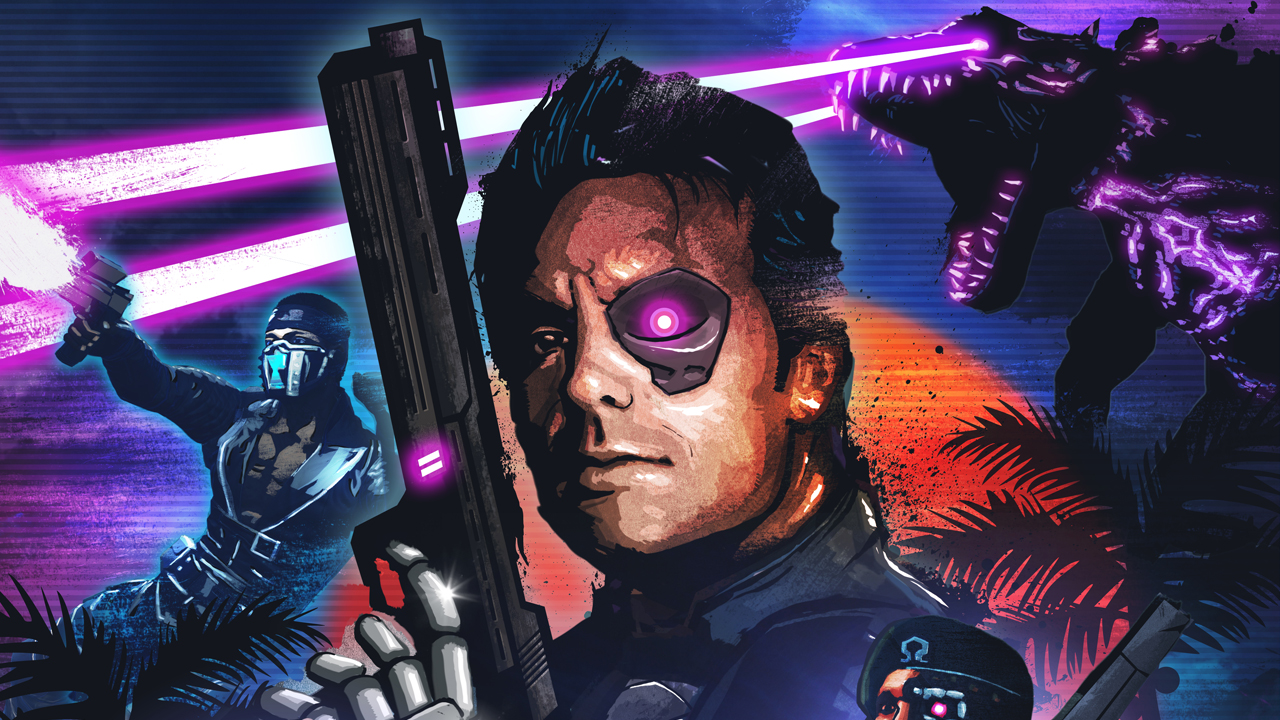
    RWARRRR I'M A BLOOD DRAGON!
    How badass is this?

    Far Cry 3 was a fantastic release last winter, combining a gorgeous open world with a solid story, it made for a very fun and addictive game. Fast forward 6 months and we have the release of Far Cry 3: Blood Dragon, a stand alone expansion that doesn’t require the original game to work. So the question is, what is Blood Dragon? The answer isn’t as straight forward as you may think.

    Blood Dragon is Far Cry 3, except, it technically isn’t. The main setting and plot for Blood Dragon centres around an alternate universe in which the world has undergone 2 apocalypses (I shit you not) and the 80’s are here to stay. At face value, this is basically a few reskins of the original Far Cry 3 whilst also messing things up for comedic value, but some of the changes really are hooking, and make for a unique gaming experience in its own right. If you want to see how far they went with the 80’s theme, here’s the announcement trailer, it may damn well blow your mind:

    Combat is the same as Far Cry 3; you walk around a big island which gives you a wealth of different options to which you can kill people, including the new animals, the Blood Dragons. These beasts are huge, terrifying, and can fire lasers from their eyes! They’re certainly a force to be reckoned with, but can also be used to your advantage. (They can’t see very far, and love to eat cyber hearts, chuck a cyber heart into a enemy base and watch the mayhem unfold.) All these mechanics help to give you freedom over the island, whether you want to be a stealthy ninja, or a rambo in the making is completely up to your play style. You’ll be rewarded more for assassinating people without being seen, but be destructive enough and you won’t notice the difference in XP bonuses.

    Character progression has slightly changed from Far Cry 3, which makes it easier to progress, but not necessarily for the best . Where as before you could choose what new skills you wish to learn, allowing you to pursue any specific traits you want, (be it stealth, health or damage) you now have a straight path with no deviation. Your character can level up to 30, by which time he’s acquired all the skills available in the game. It’s not a bad skill tree by any means, it just takes away some of your freedom of how you want play the game.

    Enemies in Blood Dragon are the same as they’ve been in Far Cry 3; you get normal humans, which can be split into different types, as well as animals. There are your traditional types of human classes, some are heavy and take a lot to bring down, others are lightening fast, nimble, and quick to kill. Then theres the animals, which are pretty easy to hunt and kill, and don’t offer any rewards for killing. This is massive change from the crafting system of Far Cry 3, and a feature I missed quite a lot. With the crafting system, you took the game at your own pace, something that is missing in Blood Dragon. Overall, not much has changed since the original, the biggest innovation being the Blood Dragons themselves, whose presence is overwhelming at times, and certainly adds a new dynamic to the game.

    Pros:

    • Fantastic value for 1200MSP (£9.99)
    • Great addition to the Far Cry series
    • Addictive gameplay ensures you’ll 100% the game in no time

    Cons:

    • Short to complete 100% (5 hours 50 minutes to 100% all collectibles, side missions and main campaign, nothing left to do but a empty island)

    Overall, Far Cry 3: Blood Dragon is a great buy for those of you who didn’t quite get their fill of free roaming a new island in the original Far Cry 3. It does fall short on content, but is genuinely quite original in an increasingly over-saturated market.

    4/5

  • Gaming Week 18: Antichamber (PC)

    Gaming Week 18: Antichamber (PC)

    YOU GO UP!
    Does this mean I have to go down?

    I’ve wanted to play Antichamber since I first ever laid eyes on it about 2 years ago. It looked so different, and so fantastically intelligent, that I just wanted to experience this new way of gaming. It doesn’t go so far as to invent any new ways of gaming, but intelligently pushes you to the limits, ensuring you poke and prod the game environment until you understand its rules, and as a result, feel empowered in this puzzle world.

    You start Antichamber in a black empty room, with no context as to where you are, and what to do. You spin your mouse around to discover you’re in first person view. From here you can then adjust the settings of your computer using a wall, and just clicking the elements you want to change. Its a pretty nifty way of doing things, and I feel it’s quite intelligent game design to show the player how to control your character silently, and very early; allowing the player to find out things through trial and error rather then assuming every player is dumb and show controls up front.

    Once you’ve got to grips with the controls, it then allows you to select a room, which as you find out, is a puzzle in itself. Every room in this game is a puzzle, in fact, many puzzles  within puzzles, and it all screws with your head. You’re never quite sure if you’re just not looking hard enough, or whether you haven’t progressed far enough in the game to apply new skills you’ve learnt to old puzzles.

    MY HEAD! IT HURTSSSS
    Perspective 1 of a scene
    IT FUCKS WITH YOUR HEAD MANNNN
    Perspective 2 of the same scene

    The first few rooms ease you into the style of how Antichamber will play out, and then will successfully turn that on its head to mess with you. It does all have a set of rules/boundaries, which you will come to know with time, although at the start this may feel like a lie, push through and you’ll get to understand the world in which Antichamber inhabits. Rooms may continue forever until you just turn around and come back the way you came, where as others may look like a dead end in a certain light. It’s all fantastically designed to mess with your mind as much as you can take.

    Eventually you’ll come across a gun, but not any gun you’ve seen in other games. This gun picks up and disperses cubes, something which expands the puzzle element of the game no end. Cubes need to be placed in certain holes to open doors, whilst also being a restrained quantity, which can lead to some very annoying situations of starting a room again just so you can allocate your cubes correctly. The gun gets updated 4 more times in the game, allowing more creative ways to manipulate cubes, whilst also allowing you to revisit previous rooms to try and solve problems again. It’s a fantastic way to make you feel like you’ve accomplished something with every few minutes, whilst also being annoyed that you didn’t see it sooner.

    SO HARDDD
    After 5 hours of play time, this was the amount of puzzles I had solved. There’s still more to go.

    Pros:

    • Fantastic puzzles that really do mess with your head
    • Gorgeously realised art style

    Cons:

    • No story makes for confusing motivation
    • Little to no replayability after completion due to knowing all the solutions

    So I waited until this game came on sale to buy it, (£7.49) but in hindsight, £15 is actually pretty good value for the time I got out of Antichamber, and given the chance, I’d happily recommend it for all to play.

    4/5

  • Gaming Week 17: Gears of War: Judgement (360)

    Gaming Week 17: Gears of War: Judgement (360)

    This actually looks like a EA cover...
    They all look so cool!

    (This review won’t touch multiplayer, just the main campaign.)

    Gears of War judgement starts as it means to go on: A mediocre GoW game that can’t quite reach the highs of the previous instalments. New ways of playing don’t help to make the game anymore immersive, and it all just ends up leaving a player deflated once finished.

    So the premise for GoW: Judgement is that it’s a prequel, based around Damon Baird, Augustus Cole, Sofia Hendrik and Garron Paduk, just months after emergence day. Baird and his band of merry men, are put on trial for activating a light mass bomb that could of been used for other purposes, and against orders not to. Most of the campaign missions follow Baird and his crew through recollections of what happened up to the point of activating the bomb, and slightly after. It’s quite a good story telling mechanic, and allows for some interesting new ways to play. One of these is to activate a declassified mission at the start of each level; with this, Baird (or whoever is telling the story at the time) add’s some every details to their account of what happened, to which you then have to play out. It certainly added some variety to the combat, making players use only a shield in some levels, or adding fog to a field to reduce visibility. It’s a new mechanic that I’d love to see in other games in the future. Overall the story of GoW: Judgement doesn’t really add anything to the overall universe of Gears. Maybe I’m a vocal minority when I say this, but It feels pointless, and not needed at all.

    Gameplay is the same as old games, with only 1 new enemy to spice things up. The environments are things we’ve all seen before, which is a shame, because People Can Fly and Epic had the chance to explore some really nice locations that maybe weren’t touched by the locusts yet or were in the process of being destroyed by the locust horde.

    The look and feel of GoW Judgement hasn’t changed since the original many years ago, it’s just been refined to the point of no longer having any advantages. Controller layout has changed, which caused some confusion early on, but I’m sure was made to streamline the Gears experience and bring it up to par with the rest of the industry at the moment. Combat takes place like any other game in the franchise, with enemies popping up from a hole, whilst you duck and cover behind anything in the vicinity. I think one reviewer made the point of cover systems feeling like space invaders many years ago with the original Gears, and to some extent that comparison still holds true. There’s not much you can do with a genre when you’re forced to sacrifice game play for realism, and the Gears series have definitely backed themselves into a corner when it comes to innovation.

    Pros:

    • Solid narration leads to new interesting game play
    • As addictive as previous Gears of War games

    Cons:

    • Boring and non-essential story
    • Short levels make it feel more like a set of side missions than a main campaign (Some levels can be finished in 3 minutes)

    Overall, GoW: Judgement was a short game that didn’t bring anything new to the table in the third person shooter category of games. It may be a must have for die hard Gears fans, but it certainly can be skipped by the mass of consumers.

    2/5

  • Gaming Week 16: Deadlight (PC)

    Gaming Week 16: Deadlight (PC)

    FUCKKKKK
    Deadlight for PC

    Deadlight throws you into a realistic, post-apocalyptic world where a man can only move left and right. Joking aside, this is a truly realised world, where a simple platformer can have more depth and style then I’ve seen before (I shall overlook Limbo for now, although it is definitely in the same league.)

    ALL THE CARS
    Vista’s are gorgeous, something that can rarely be said for a 2D platformer

    Deadlight follows the story of Randell Wayne, a man who wakes up to all manner of chaos unfolding before him, at which point you have to take control of him and set off. During the course of the game, you’ll learn about Randells past, and his current relationship with other characters, ensuring that you’re clued up on what’s happening in this world. The main things you’ll be avoiding in this game are Zombies. These stupid, slow creatures feel slightly out of place in a platformer, but do allow for some interesting puzzle sequences (e.g. shouting for them to follow you onto a bridge, which you can then activate to make them fall to their death.) The other obstacles to avoid are typical platformer tropes, holes in the ground, spikes etc, and don’t really do much to advance the genre in anyway. There are some chase sequences that are worth noting, but nothing that hasn’t been done before.

    So, as I’ve already said before, Deadlight is a platformer, but you wouldn’t think that from looking at screenshots. The graphics look like something that’s been pulled from a FPS, with rich, vivid environments that truly adds to the unique style Deadlight attempts. Just look at the screenshots I’ll post throughout this review and you’ll see what I mean. The one criticism I do have with the art style is that it doesn’t take advantage of its time period in ways that I think could be fantastic for this game. It’s based in the 80’s, meaning Tequila Works could of played with peoples nostalgia by putting pop references here and there. I wouldn’t say it’s lack of 80’s culture detracts from the world, not by any means, I just feel it could of helped pull the player in a bit more.

    2D MADNESSSSS
    Enemies can come from the foreground and background to attack you on your 2D plane, be warned.

    The controls are solid, and Randell feels fantastic to control. There are a few glitches where you are sure you should of made a jump, and instead die, but overall the controls are flawless. Later on in the game, you gain control of a gun, which does make the game a bit easier, but Tequila Works balanced this by rationing the ammo. It does add some risk/reward scenarios, which is always a good thing, and even mixes things up when you’re not sure whether to use your last bullet on the zombie in front of you. Another nifty mechanic Tequila Works add is a slingshot, which can be used to get around puzzles. In some instances there may be lifts that can be only activated from a switch hidden behind a wall, these occasions are rare but rewarding when the solution shines through.

    Pros:

    • Gorgeously realised world
    • Solid platformer
    • Strong story allows for an in depth character progression with Randell

    Cons:

    • Glitches lead to some frustration
    • Despite fantastic graphics, a lot of the game is spent indoors

    So overall I’m thoroughly impressed with Deadlight, its definitely inspired me with my own game, and is definitely something I would strive to match in terms of game play and art direction. I’d recommend fans of platformers to give it a go, it’s pretty cheap, and is a good 3-4 hours worth of gameplay.

    4/5
  • Gaming Week 15: Borderlands 2 (360)

    Gaming Week 15: Borderlands 2 (360)

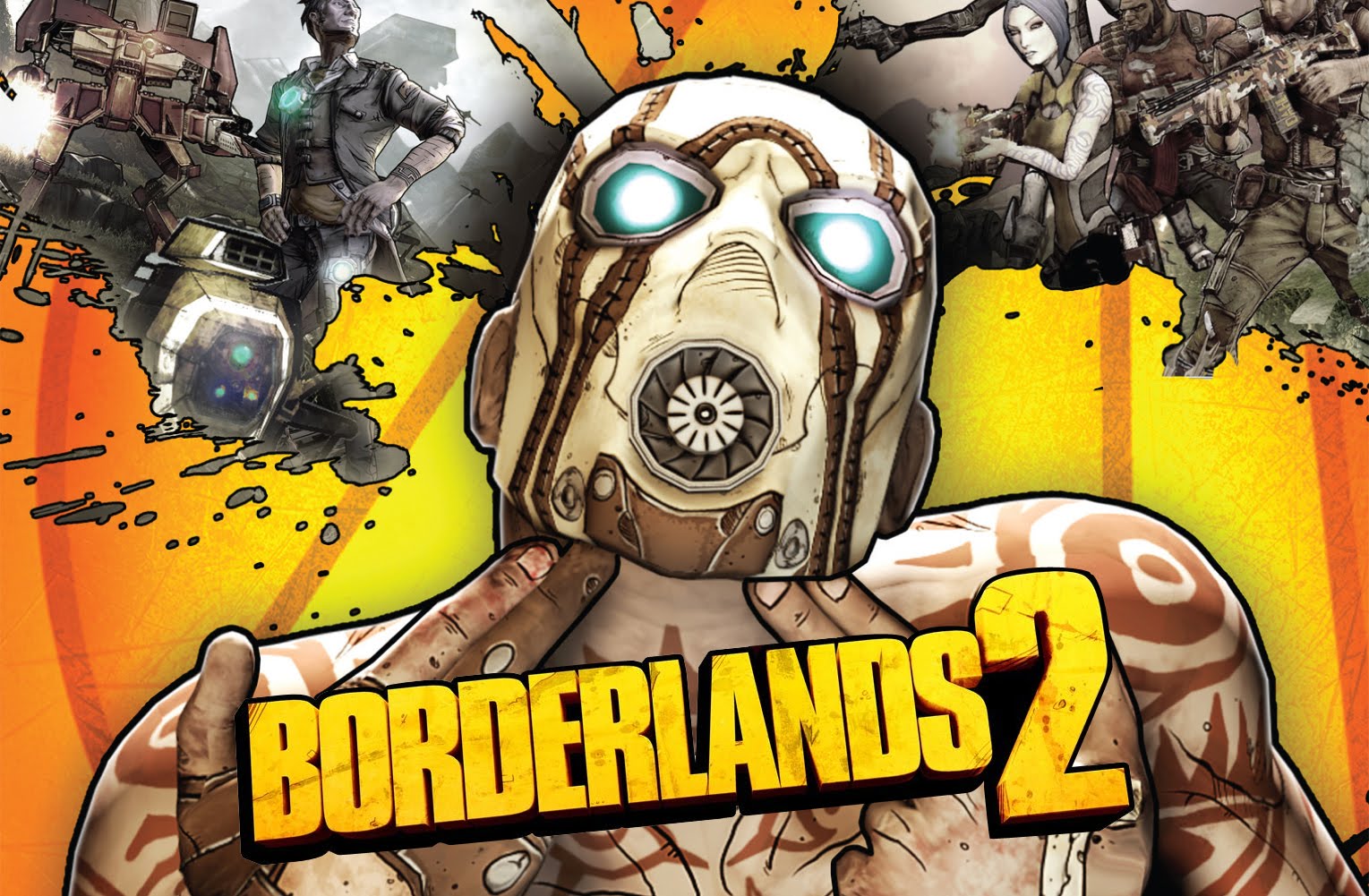
    FUCKK PSYCHOS
    Psychos…. psychos everywhere

    I’ll sum this up now: Borderlands 2 takes the successful formula of the first game, and goes to town, making sure it impresses and expands upon everything that made the first one such a runaway hit. If does nothing new to the formula, but certainly makes sure that you’re left satisfied, something that the 36 hours of gaming I’m endured can certainly ascertain to.

    If you’ve played Borderlands 1, then you know what you’re in for. Borderlands 2 encompasses a big open world full of objectives, and a whole lot of loot waiting for you to collect. The guns are ridiculous and over the top, but thats the whole point, and it’s fantastic. The sheer size of this game is enough to put anyone in awe, it truly is a big game. Don’t get me wrong, a lot of the side objectives do have you running to places you’ve been before, but that’s part of the appeal, as the reward may be damn well worth it.

    Everything about Borderlands 2 is a lot more polished then its original outing; animations are smoother, graphics are more crisp and sleek, and overall everything feels a lot more refined. This certainly helps Gearbox studios stand out of the crowd when it comes to AAA shooters, and gives a different experience to the traditional military shooter.

    Characters are probably my favourite part of this whole game. They’re memorable, quirky, and fantastically realised. Some familiar faces will meet and greet you, but it’s the new characters which really show the talent behind the writers and animators. My favourite of these has to be Tiny Tina, a early teen that has been around bandits far too much in her young, short life. Gearbox went out of their way to ensure that the voice actors were top notch, which has been confirmed by the industry by voice actors winning awards for their amazing work.

    I do have some complaints when it comes to the general story though. I feel that there was technically no need for this sequel, which shines through in the overall arc of the story. I believe not even Gearbox thought the original would be as successful as it was, and therefore had to rush and scramble around to make a cash cow.

    Pros:

    • Fantastic character design
    • Addictive gameplay ensure hours of fun
    • Highly polished and realised world

    Cons:

    • Feels like a needless sequel (in a story sense)
    • Very buggy

    Overall, I’d recommend Borderlands 2 to anyone that enjoys a FPS. It may look like an RPG, but you rarely have to think about the RPG elements, and can just focus on the fun and joy of finding loot and killing lots of bandits. A highly fun and entertaining game.

    4/5

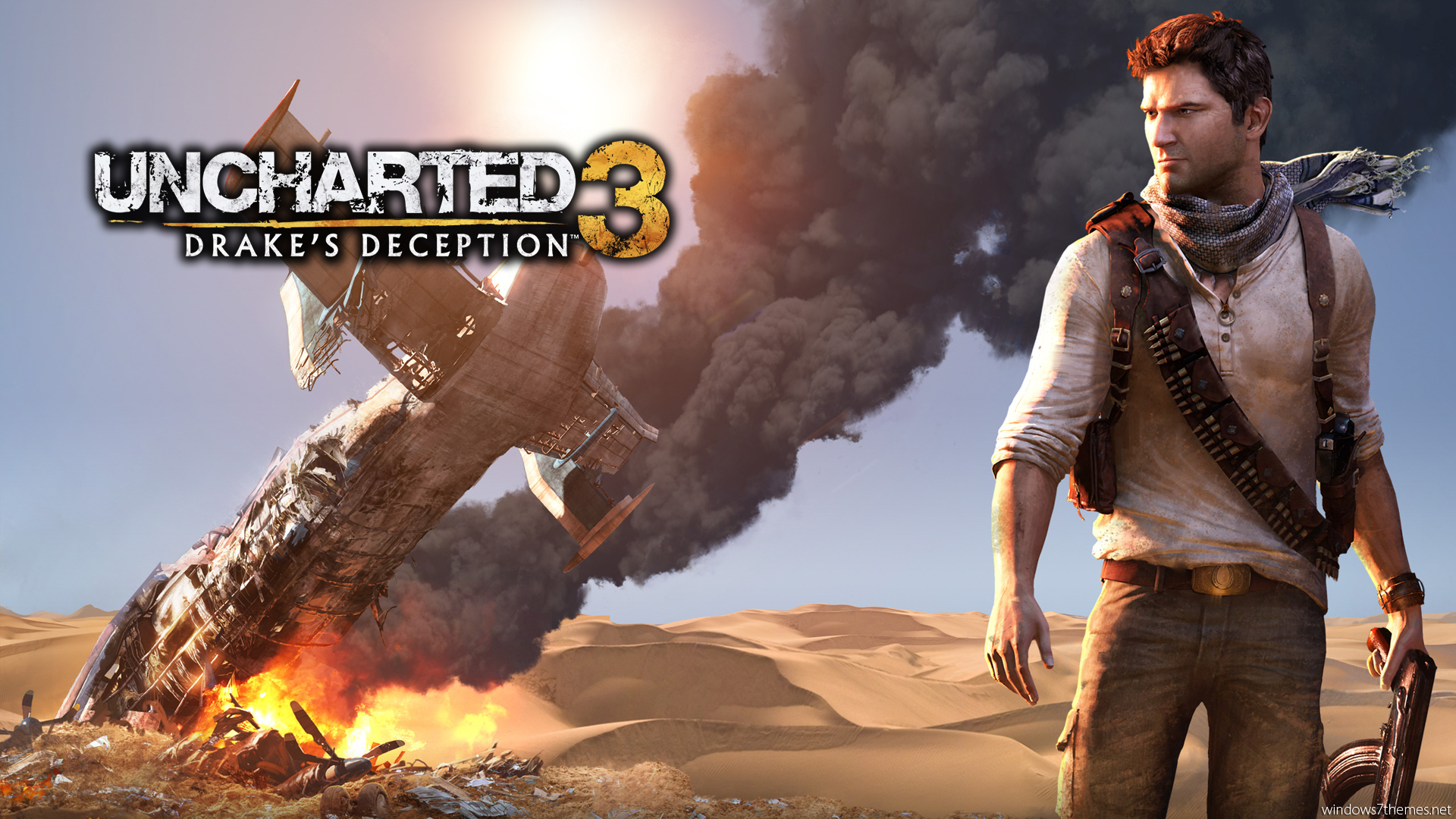
  • Gaming Week 14: Uncharted 3: Drake’s Deception (PS3)

    Gaming Week 14: Uncharted 3: Drake’s Deception (PS3)

    LOOK AT THE SAND
    Nathan knows how to pose

    Oh Nathan Drake, you careless adventurer you. How you made me not give a single damn in the first unchartered, then flipped my perception on its head in the 2nd is beyond my comprehension. So here we are with your third outing, and I must say, you’ve certainly impressed.

    The Uncharted series have been a mixed bag of highs and lows for myself. The first one, I was extremely unimpressed. I could see why people enjoyed it, but I felt like it was a poor mans Tomb Raider and was just a knock off. It was stunning in graphics, it wasn’t original in gameplay or story telling, it was just meh all the way through. This all changed with the second game. In Uncharted 2, Naughty Dog left me stunned at every turn. With improved art assets, and dynamically scripted sequences like the train level, (a level in which the game keeps dynamically generating a train journey whilst you progress across it, giving the feeling of a real train ride and not scripted/linear) I felt convinced that Naughty Dog had found their true potential, and had run with it.

    Uncharted 3 was more of Uncharted 2, albeit with quite a few bugs and a detracting story. It felt like a game that was never intended to be made, and quite a few plot points felt arbitrary, maybe even pointless. The action sequences were fantastic, bringing the series to a high point (but maybe not topping) of what was achieved in Uncharted 2. One example of this strength is a level in which Drake is fighting on a plane, all whilst enemies are trying to throw him off, with the back bay door open and crates falling out. This all adds to a dynamic feel of the game, as if you wouldn’t get the same scene twice if you tried. It truly adds to the immersion of the moment, and allows Uncharted 3 to feel more intense than any action movie.

    Uncharted 3’s game mechanics are still the same as old, ensuring old and new players alike feel in control the whole time. Enemies are the same as before, which can be a bad thing at times, for example when a level has multiple floors and enemies above are slaughtering you. This could be attributed to bad level design, but most of the levels are gorgeous and well thought out, so I’ll give Naughty Dog the benefit of the doubt.

    Nathan Drake and all the cast are fantastically well thought out, and compliment each other in everything that is done. Relationships are brought to tearing point, but it helps to portray an interesting character development arc that ends on a high note. I would gladly say that Naughty dog make some of the most believable characters in any game series of this generation.

    Pros:

    • Gorgeous landscapes and cities add to an immersive world
    • Great witty banter between characters
    • Fantastic action sequences that rival a film production any day

    Cons:

    • Very buggy (my character would fall out of the world often)
    • Story had many plotholes

    So to conclude, Uncharted 1 was meh, Uncharted 2 was AMAZING, and Uncharted 3 was alright, therefore I feel the whole series would rate as a 4/5 in a game review chart.

    3/5

  • Gaming Week 13: I am Alive (360)

    Gaming Week 13: I am Alive (360)

    BUT NOT FOR MUCH LONGERRRR
    He certainly is

    I am Alive is the survival game from Ubisoft set in the future, after a catastrophic event has fallen mankind, and left only a few survivors on earth. A few people may remember the original trailer from 2008:

    If you count yourself as one of those people, then prepare to be disappointed, as Ubisoft changed majority of the formula from what they was showing in the original trailer, and instead made a fairly action orientated third person adventure game. This isn’t necessarily a bad thing mind you, but I think majority of the gaming community would agree that the original trailer showed a lot of promise and originality in an otherwise over-saturated market.

    The game centres around a unnamed protagonist who is searching for his wife and daughter in his hometown of Haventon, after a year of walking across the states to reach there. We are greeted with a view of the decaying city, with no access except across a broken bridge. It’s here that the game introduces you to the concept of stamina, and by god you better get used to it.

    Stamina is one of the main game mechanics you have to use in I am alive, effecting everything, from climbing a mountain, to literally just breathing. In theory, stamina fits perfectly in this post-apocalyptic world, ensuring that a player thinks about every action before he or she goes ahead. In reality though, this mechanic just becomes a frustrating barrier to you actually enjoying the world of Haventon. So many times I would just want to explore and see the inhabitants of this desolate town, but it’s broken up every few seconds with climbing, just to make sure you can breath again before running down the same flag pole to go down the same street you were just walking down. It’s frustrating, and genuinely detracts from the game.

    Characters in I am Alive are very believable, to the point I actually really felt attached to the little girl called Mei that you have to carry around and care for. The artists should be proud of what they’ve done with the people, showing true human nature in a world without morales.

    Action sequences follow a scripted pattern of aiming your gun at someone until they either decide to surrender, or shoot them on the spot. This is interesting at first, but leads to a routine later on in the game, meaning enemy encounters just aren’t that great, and leave a lot to be desired.

    Pros:

    • Great characters
    • Ok climbing mechanics

    Cons:

    • Stamina is too frustrating
    • Save points too far apart (leading me to lose an hours worth of gameplay at one point)

    Overall I am Alive just felt underwhelming. There was some challenge in the way it set the mechanics, but really, it all felt like these challenges were just there to mask the terrible game underneath, with all of its many flaws.

    3/5

  • Gaming Week 12: VVVVVV (PC)

    Gaming Week 12: VVVVVV (PC)

    VVVVVV
    The captain and his crew in happy times

    VVVVVV was my first foray into Terry Cavanagh’s (Creator of Super Hexagon) games, which in my opinion is a fantastic jumping point into the madness and simplicity he’s become famous for. Although this was made 3 years ago, I still think it’s a fantastic example of how graphics aren’t what makes a game, and how the mechanics of a game are what keeps it interesting.

    VVVVVV looks like a classic 8bit retro game, it’s not much to look at, but it gets the job done. It conveys a captain on his ship who suddenly has inter-dimensional problems and loses all of his crew. Thus begins an epic adventure to find his shipmates, and bring them back. (A note to those who may not know, VVVVVV is named after the names of the 6 crew members: Captain Viridian, Doctor Violet, Doctor Victoria, Officer Vermillion, Professor Vitellary and Chief Verdigris.)

    Controls are very simple, and mechanics are quick to grasp. Your character and run left and right, and can flip gravity through pressing the space bar. This propels your captain to the ceiling and vice versa. It is through this gravity flipping mechanic that you are met with challenges which require very specific and tight controls to navigate the obstacle course of objects and spikes which kill you in one hit.

    Such a big map!
    The dungeons of VVVVVV are dispersed between open world areas

    Although the game mechanics are simple, it doesn’t stop the game from being hard. VVVVVV takes from the Super meat boy school of thought, and gives you a very tried and tested control system, to then challenge you to the point of ripping out your hair. It’s hard in places, but you know it’s not bullshit on the games part, it was your own fault for pressing right too soon, or not jumping when you was meant to. You make the mistakes here, so it’s only yourself you can be annoyed at.

    YOU CAN'T HANDLE THE TRUTH!
    Can you handle the Truth?

    The difficulty curve is perfect for a game of this size and scope, and allows you to progress at a steady rate through the 6 different dungeons hiding each crew member. You may come across hitches that keep you stuck for ages, but overcoming them makes you better as a player, and teaches you new mechanics about VVVVVV.

    Game length wise, the game is modest in providing about 2 hours worth of entertainment, which can be extended with multiple playthroughs and getting all of the collectibles. This is perfect in length, and I feel any longer would have just resulted in a game which outstays its welcome. Some may find a lot of value in this amount of time (especially when it was provided in quite a few humble bundles) where as others (like myself) may be calling out for more.

    Pros:

    • Addictive gameplay
    • Fantastic Soundtrack

    Cons:

    • May not be to everyones taste with unique graphics

    Overall I feel VVVVVV is a must play for anyone looking into game design and game philosophy. It shows that games don’t have to have fantastic graphics in order to be fun, whilst also showing that a lot can be done with a few sets of simple rules. Here’s to hoping that with Terry’s latest success from Super Hexagon, he sets out to make another VVVVVV.

    3/5

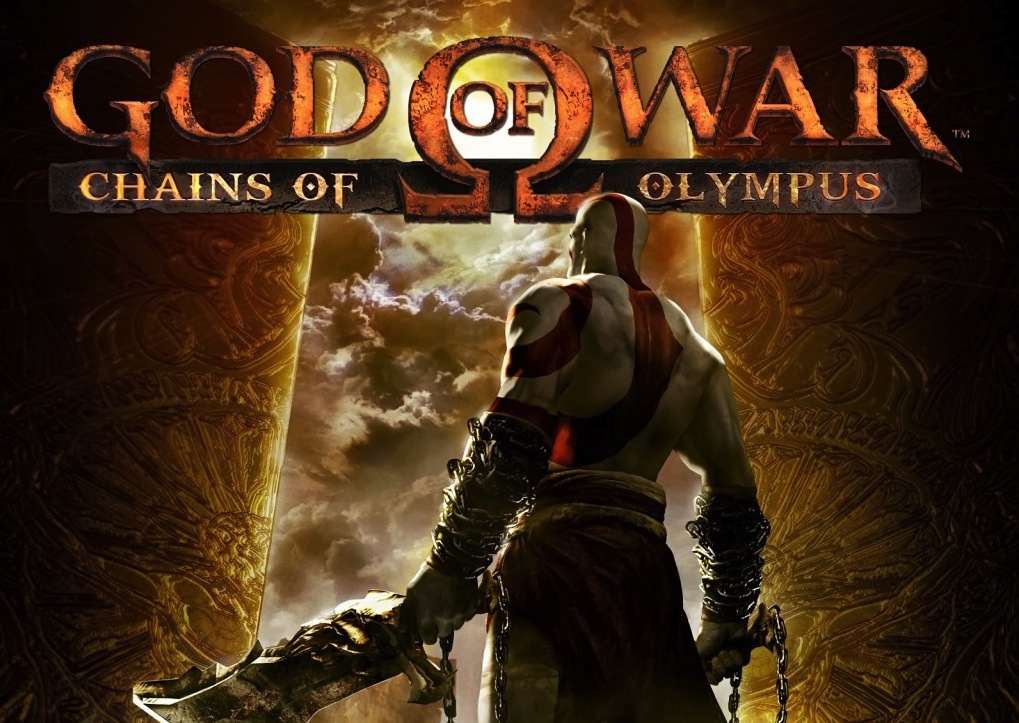
  • Gaming Week 11: God of War: Chains of Olympus (PSP)

    Gaming Week 11: God of War: Chains of Olympus (PSP)

    I have a soul really :(
    Alllll the WARRRRRR

    God of War has long held a special place in my heart. It was about 3 years ago that I decided to finally see what all the fuss was about, upon which I went out of my way to buy a PS3 off ebay. I bought the original so I could still play PS2 games, as I had never touched any GoW game (to the point I believed GoW stood for Gears of War). I always knew they were gory and violent, but looked on them as a DMC clone, how wrong I was. The first game took me about a week of on/off gaming to complete, the second took me 2 days, the third: 1 day. I became obsessed with the fantastic story and fiction, and the graphical improvements of each game kept me hooked. Unfortunately there wasn’t much more out there, and I haven’t touched a GoW game since. I still look back on those games with fond memories, and that’s what made me buy Chain of Olympus and Ghost of Sparta.

    I bought these in the PlayStation Plus sale for GoW to celebrate the release of GoW:Ascension. £2.87 per game was a fantastic deal in my eyes. They were downloaded straight to my PS Vita within a couple of hours and I was set to go.

    Chains of Olympus starts out like any of GoW game, with a lovely close up of Kratos’ face with a main menu of options to chose from. Upon selecting new game, the camera pans out to show Kratos amongst a battle in some Greek city. Nothing has really changed here, it feels the same as other GoW games, which isn’t a problem, just a criticism that much of the GoW formula has been left unchanged.

    Controls are the same as any other GoW, allowing a limited number of strikes on enemies. It’s hard to be skilful/strategic in a game like this when you only have a few attacks to chose from. Overall though the combat is satisfactory, and it does expand past the initial attacks, but barely. It’s more timing that you have to overcome, which can be frustrating when most of your attacks don’t have a cancel option, and take a few seconds to process.

    One thing I shall note about playing this on the Vita; it looks fantastic! I don’t know how anyone could have played this on a PSP, but on the Vita the resolution and colours are fantastic. The upscaling isn’t noticeable, and the bilinear filtering works a charm. So if you ever want to revisit classic games, get them on the vita, it’ll breath new life into your collection.

    Pros:

    • Compelling portable game with console origins
    • Keeps you hooked for duration of story

    Cons:

    • Same game you’ve played before, just scaled down
    • Graphics not up to par with console companions
    • No replay value

    In summary, GoW: Chains of Olympus is a good portable version of the fantastic series, but the scale and scope are affected due to the graphical prowess of the original PSP.

    3/5