Category: Weekly Gaming/Media

  • Weekly Gaming: Sound Shapes (PS4)

    Weekly Gaming: Sound Shapes (PS4)

    soundshapes1

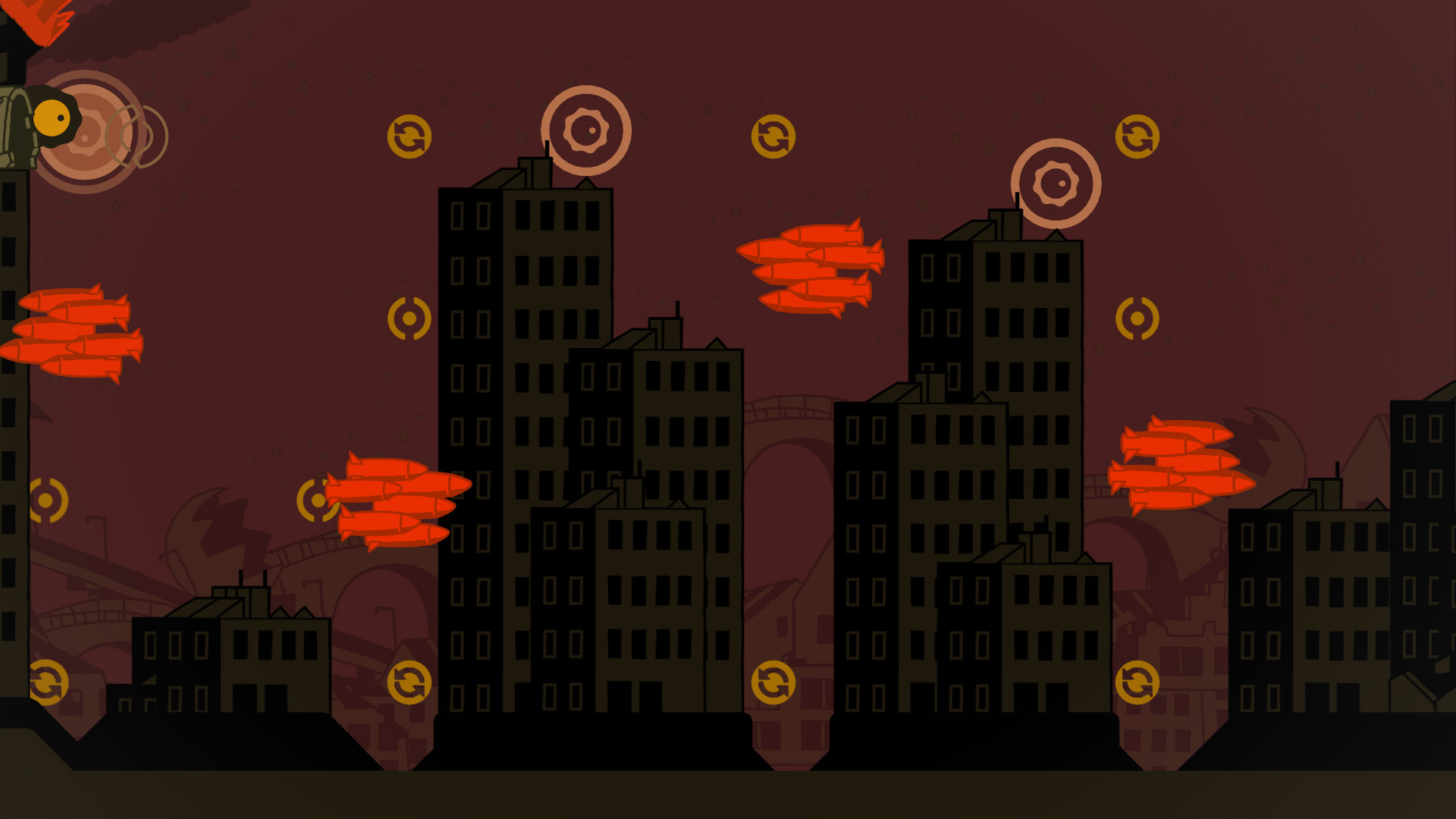
    There seems to be a theme going recently. First I review a simplistic platformer with amazing music called 6180 The Moon, then I review another simplistic platformer with fantastic music called 140. Whilst Firewatch broke that combo (ccccccc-combo breaker!), here I am yet again writing about a simplistic platformer with amazing music. Where Sound shapes differs is in the fact the music isn’t just awesome, it’s a part of the game’s core mechanics.

    It all starts off simple enough, and like any normal platformer, the controls are straightforward: move from left to right, making sure to avoid any red items on the screen. You play as a blob of sound which is able to stick to some surfaces that match it’s own colour, or turn black to move faster (without the benefit of sticking to surfaces). As you make your way through levels you’ll notice that everything around contributes to the music, making for some really unique sounds. Collect more “tunes” throughout a level and you’ll get the music constantly change and evolve, making collecting everything a level has to offer a real pleasant experience.

    ps3-game-6182-ss7

    Each “Album” of stages have their own style, both in the music they produce, but also in the general look and feel, as well as difficulty. Guest musicians make an appearance throughout, with one album being entirely produced by DeadMau5 for example (possibly my favourite of all the sets of stages throughout the game). I found that the constant changing of style between levels both helped to showcase how flexible the engine is, but also helped to constantly keep me interested, even as the game’s mechanics were soon mastered early on.

    With each change of style comes a whole new process of learning the games core mechanics again. Is that enemy in the distance touchable, or should I be avoiding it? Is that tree climbable, or should I try and find a way around it? You’ll constantly ask these questions with each new area that you enter, something I haven’t found myself doing in a while when it comes to games.

    The campaign as a whole can be completed within 3 hours or so, and whilst there’s no story to speak of (seems to be a reoccurring theme with these abstract simplistic platformers recently doesn’t it?) each stage carries enough variety and challenge to keep you well entertained until the end of the game, when you get that glorious gold trophy.
    2290270-sound_shapes_e3_2012_023_1338961115

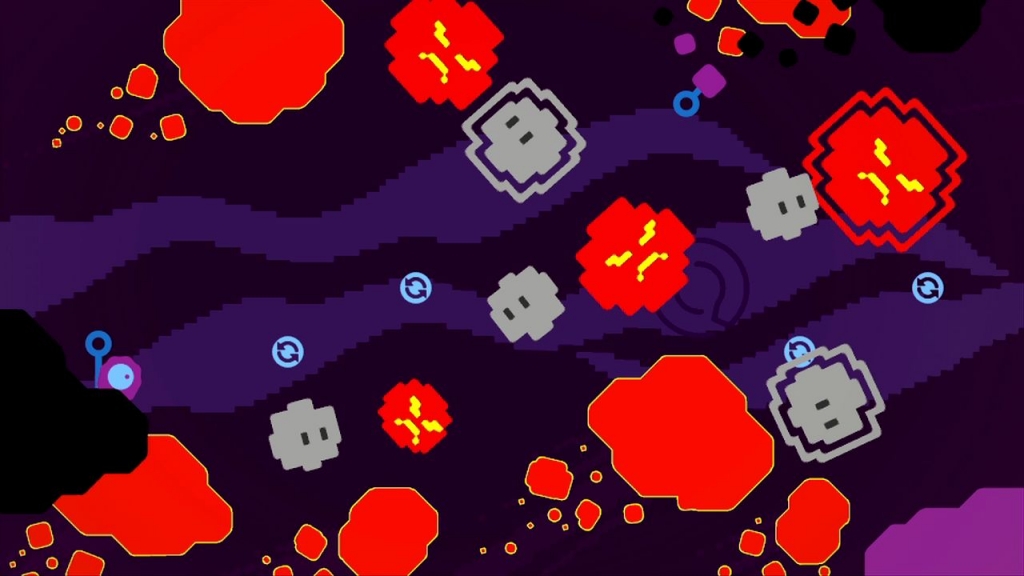
    I think it easily goes without saying that for a game based soul around its music, the music present was absolutely stunning. As I previously mentioned, the DeadMau5 stages were my favourite, but that doesn’t mean the others didn’t affect me in the same way. Everybody’s bound to find a style they like throughout the campaign, and if not, you’re bound to find something in the games huge backlog of DLC available.

    Once the campaign was finished, I still continued to play the game for another 2-3 hours, which is rare for me due to how little time I have available these days. The reason I kept coming back? The death mode.

    This surprisingly infuriating mode which is only unlocked once the campaign is finished pits you on some of the hardest sections of each stage, and gives you the objective of collectible a certain amount of randomly generated “tunes” within a given time limit. These tiny sections are both ridiculous, and oh so great at bringing out how intricately designed Sound Shapes really is. During the campaign, there’s always a margin of error to your jumps; you don’t have to time things perfectly, and even if you cock up, you’ll probably still make a jump. In Death Mode this is all thrown out the window. You have to be pixel perfect precise; any mistake and you’re either dead, or never going to complete the objective.

    2377119-soundshapes_ps4_invaderoids2

    This difficulty spike got me so engrossed into the game that I ended up not realising an hour had passed whilst I replayed one level continuously. It’s that damn addictive. It isn’t even the fact that you get a silver trophy for your troubles, it’s genuinely the challenge of completing this ludicrously hard level.

    So, should you invest a few hours into the game known as Sound Shapes? Most certainly. I mean, if you’ve been a Playstation Plus subscriber for a while now, you’ll most likely already own the game, so what do you have to lose? Chances are, you’ll find something you like in Sound Shapes; I know I did, and will definitely be coming back time and time again when I have a spare hour.

    4/5

  • Weekly Gaming: Firewatch (PC)

    Weekly Gaming: Firewatch (PC)

    As weird as it sounds as a games writer, I haven’t purchased and played a game so close to it’s release date in quite a while. Maybe it’s because of my backlog of games (I keep buying them faster than I can play them!), or maybe its because it’s been quiet on the release calendar, but either way, I couldn’t stay away from the enticing adventure game that has everyone deep in conversation: Firewatch.

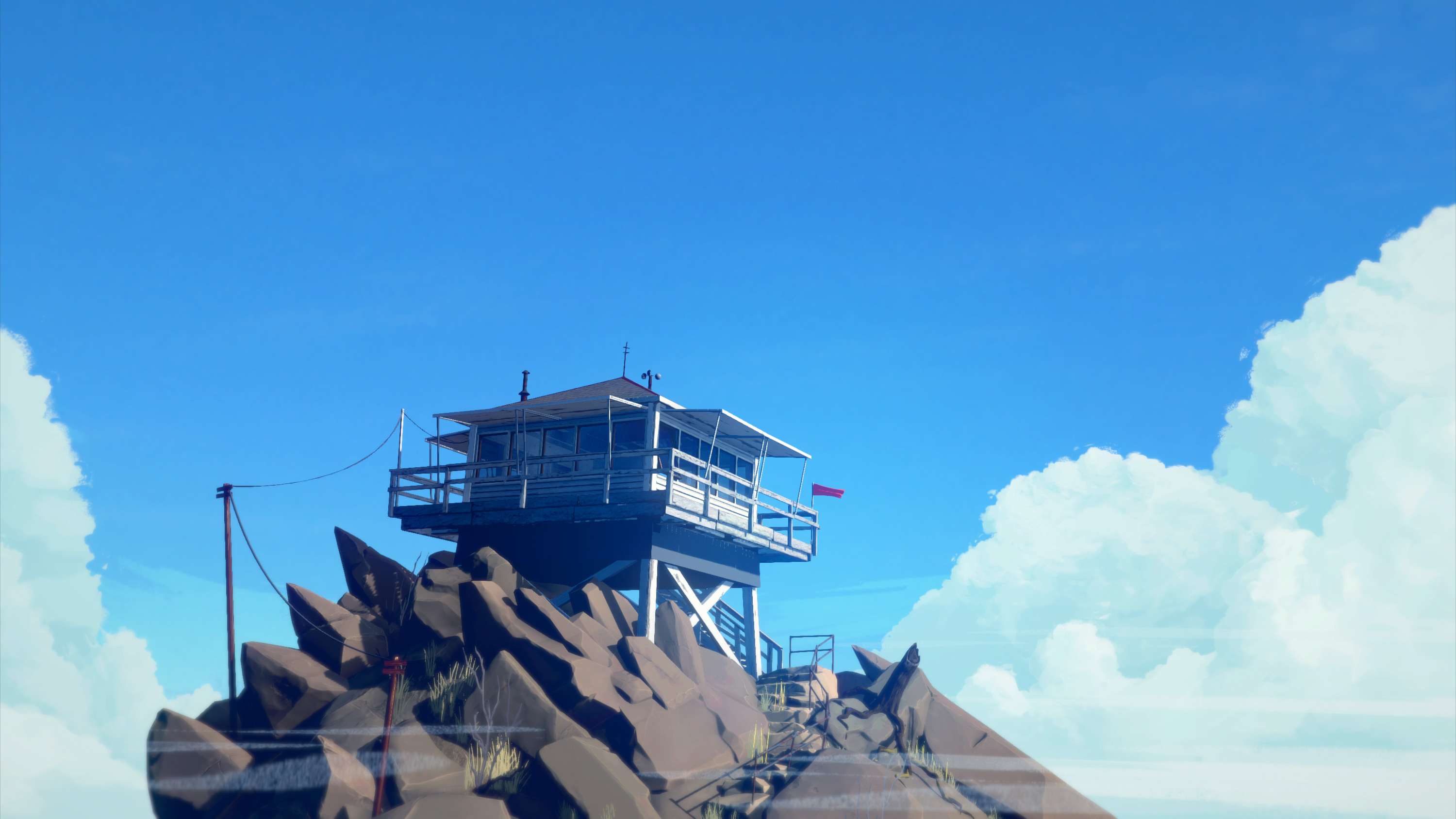
    So what is Firewatch? Another walking simulator if you want to break it down to its very foundation. Just like Gone Home or Dear Esther, the whole game is about a narrative unfolding, with the exploration of the place you’re in (in this case, a national park) being only a sub-task to the games narrative itself. Unlike the aforementioned titles, Firewatch thankfully takes the exploratory narrative game one step further, and tricks the player into thinking there’s actual gameplay mechanics throughout the campaign. I say tricks, as throughout the campaign itself you’re given urgency, and don’t think about how much freedom you actually have to explore the great wilderness the developers at Campo Santo provide to you.

    firewatch-1.0

    For a narrative driven game, right out of the gate Firewatch hits all the expected ques. You have a deep back story, one which takes you through the main protagonists history with his wife, along with the struggles that come about because of her onset alzheimer’s disease. As a consequence of this, Julia is taken back to her parents in Australia, meaning our protagonist (Henry) has a lot on his plate when he finds the firewatching job. Throughout the course of the game, this history will matter little compared to the new relationship blooming in his life; between himself and his new supervisor, Delilah.

    You’ll be given tasks to do throughout the lush national park of Shoshone National Forest by Delilah, and it’s whilst you’re going about these tasks that the narrative will unfold more and more. During these tasks you’ll get to know Delilah quite well, with each sarcastic insult she and Henry throws at each other becoming more and more familiar to relationships we all know in real-life; a feature I truly enjoyed and made me smile with the witty charm and attention to detail the writing implores so often. The characters of Henry and Delilah feel real; none of the voice acting feels forced, and throughout the campaign I never once felt like I was being deceived; it’s fantastically made, and something the voice actors should feel hugely proud of for the work they have done.

    firewatch1

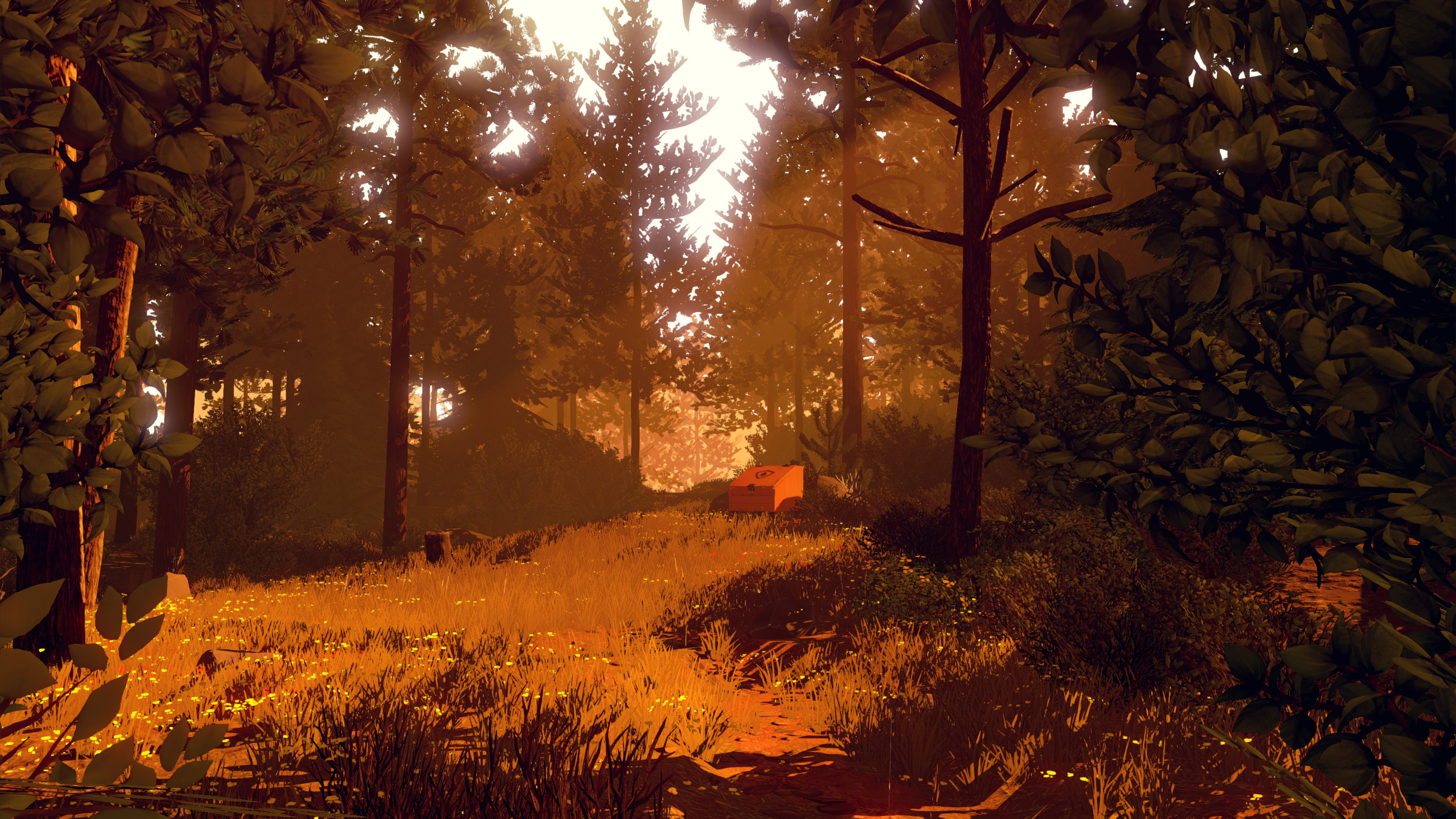
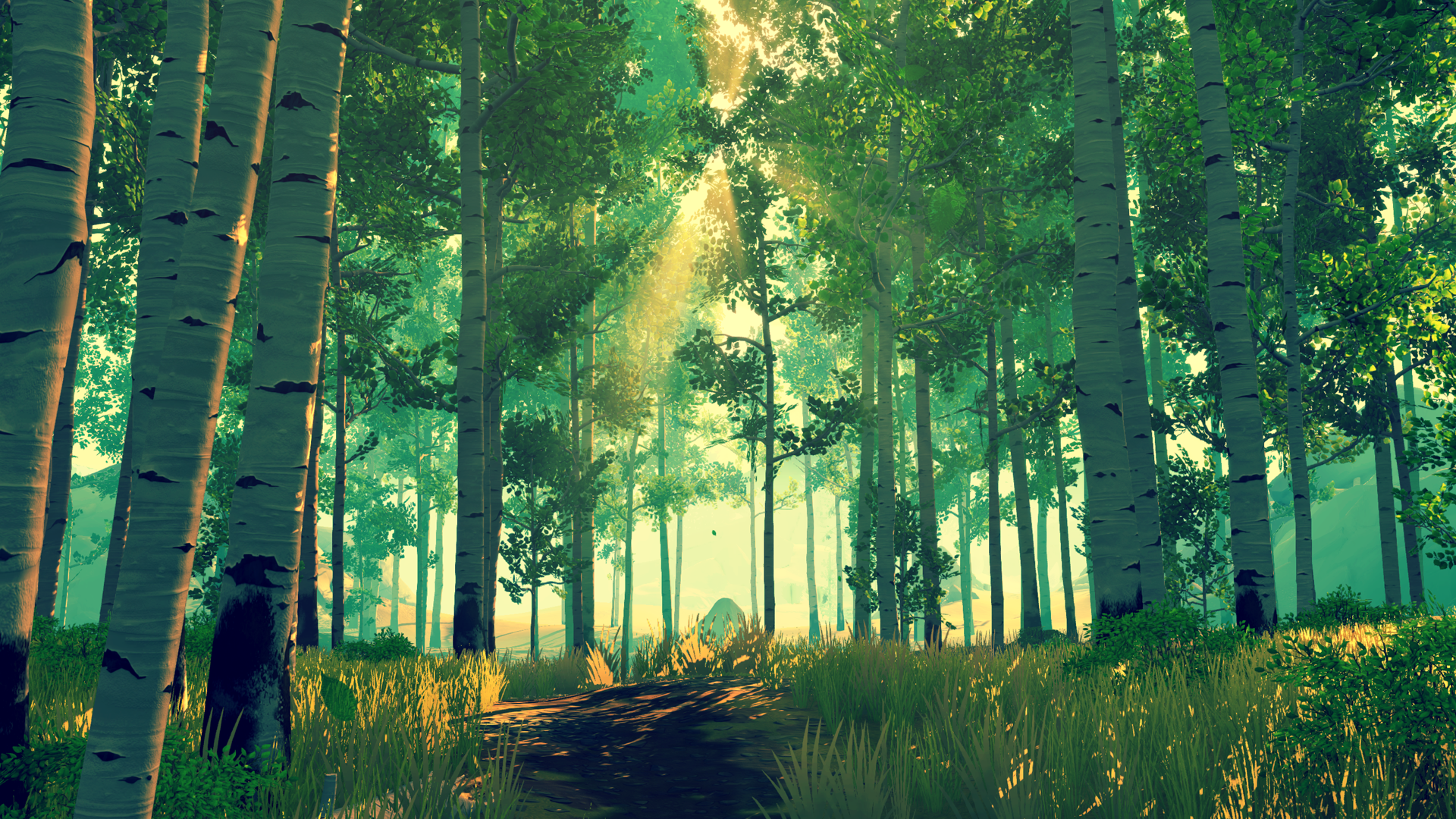
    The world of Shoshone National Forest is a treat for the eyes. The way the trees shimmer in the wind, along with the way the lighting changes throughout the day help to make for one of the most aesthetically pleasing indie games in living memory. Don’t get me wrong, there’s no realism here; Campto Santo isn’t going to be competing with Crytek anytime soon, but the world feels so vibrant and alive despite it’s simple textures and lovely object models that it genuinely feels alive. Its a testament to how grand the world looks that the developers gave players the ability to print of the in-game pictures they take as postcards; proof in itself that Firewatch is a marvel to look at.

    It’s a shame then that for all the praise I’ve given to Firewatches aesthetics and narrative, the same couldn’t be said for the gameplay itself. Whilst all the trailers and screenshots make the game out to be an open world, this is only a half-truth. Firewatch is in-fact, a linear corridor driven affair, albeit with some freedom as to how you get to the next objective.For example: You’ll get a call from Delilah to investigate some teens for example, so off you go, drudging through the woods to a point on your map. During this time, you chat with Delilah, and make your way to your objective. Once there, you’ll make a few decisions, and then have to head to another location, which is repeated ad infinitum. There’s no reason to ever really explore the world, as the mechanics simply don’t let you; everything exists for the narrative, meaning should you come across something early, you can’t do anything to it (e.g. I came across a fence early on. There was no way to enter the area beyond the fence until later in the campaign; the same happened again for many other things I found on exploring).

    firewatch_150305_06

    Firewatch feels like an empty shell of what it could have been. Whilst the narrative and wilderness is great, you just can’t help but feel let down by the end of the campaign. There has been talk online of some customers wanting a refund after completing the game, admitting that they enjoyed what they played, but felt that the experience wasn’t worth £15. I tend to agree with these customers. Firewatch could have been so much more; the forest is big enough and beautiful enough that players could have gotten lost in it for days hunting for secrets with a set of gameplay mechanics like using an axe acquired to cut down trees to get to new areas. Unfortunately, with Firewatch’s world merely being eye-candy whilst you learn more about the story, the game left a foul taste in my mouth once finished.

    By all means buy Firewatch when it comes down in price and is on sale; the story alone would be a fantastic experience when the game’s on sale. I just cannot in good faith recommend spending £15 on the game, as you too would probably come out with the same bad feeling.

    So much potential, so little pay off.

    3/5


  • Weekly Gaming: Teslagrad

    Weekly Gaming: Teslagrad

    I’m genuinely surprised that in all my years of gaming, I hadn’t played Teslagrad sooner. It’s charming graphics and genuinely fantastic puzzle mechanics are exactly what I look for in indie games, and Teslagrad does not disappoint. And yet, here I am, 3 years after it’s original release date stiill having not played it. So what gives? Well until the game was being re-released on Xbox One and a professional contact offered me a review copy, I jumped at the chance to give the game a go (only just realising that I also own the game on PS3 and PC already). So what does this 3 year old indie game offer that keeps it so intriguing and fantastically charming in the modern age of the indie revolution? to put it simply: everything.

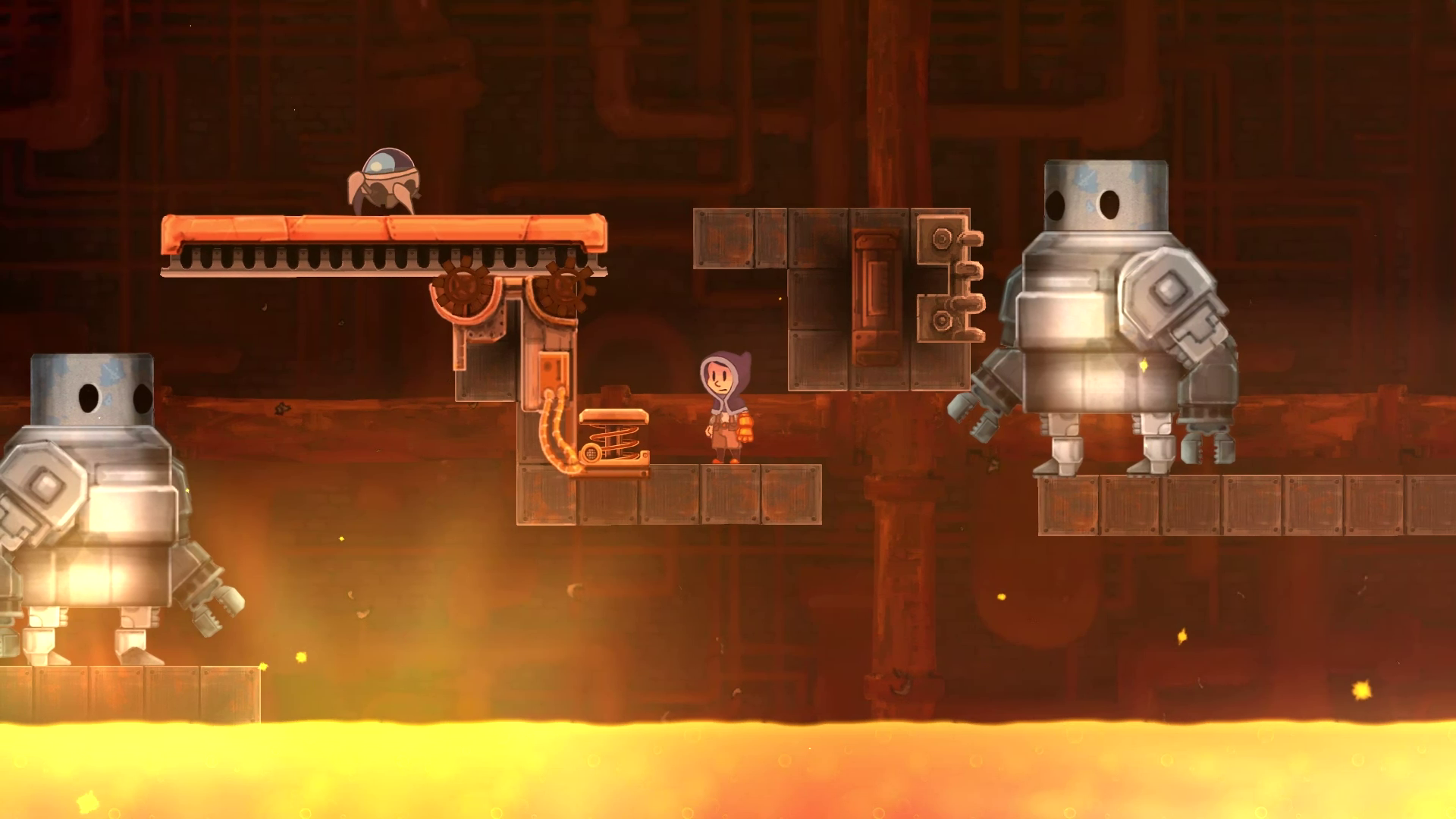
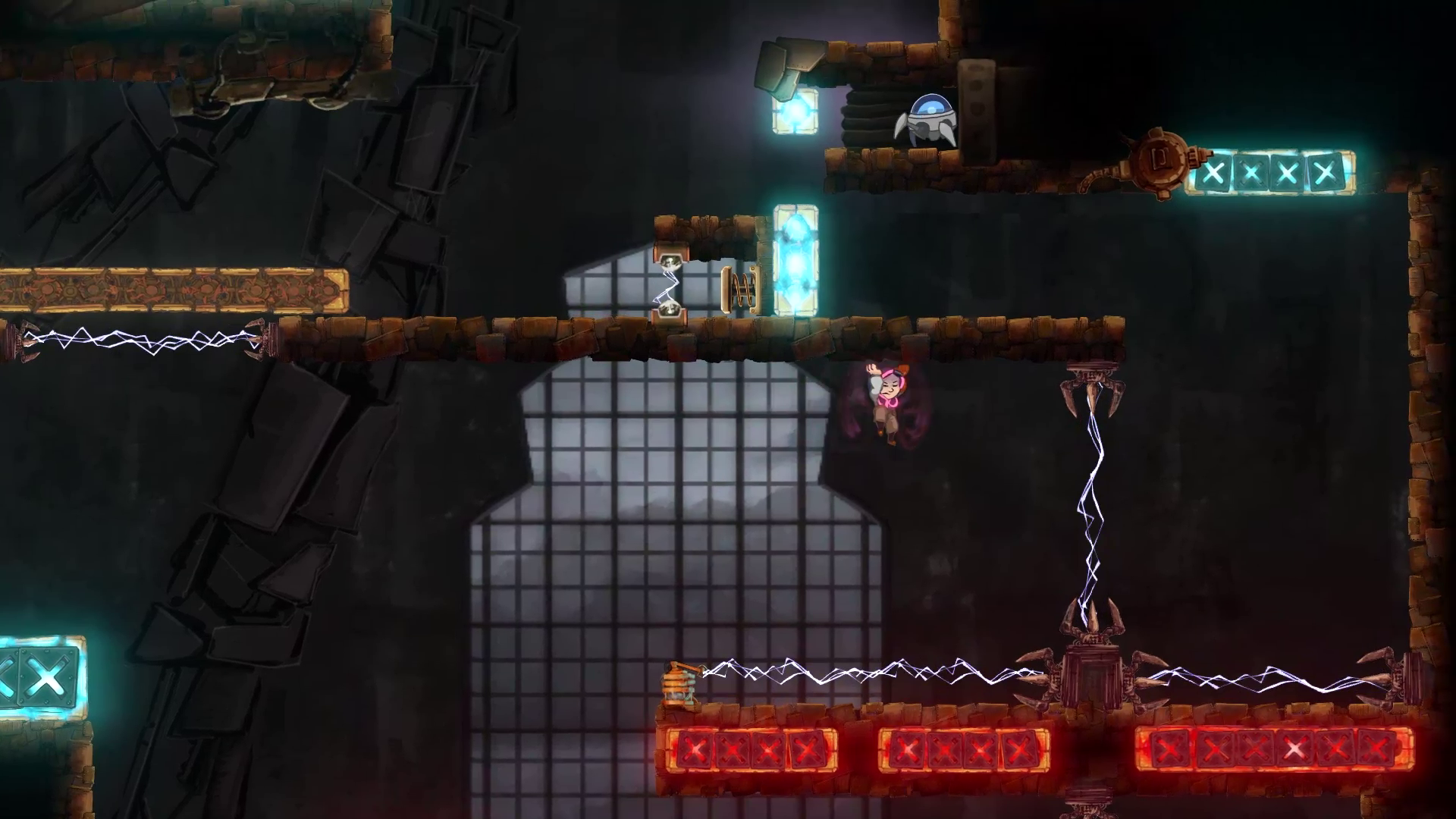
    The first thing that draws your attention about Teslagrad is its aesthetics. The simple, fantastically animated hand drawn models are an absolute slender to behold throughout your entire play-through of the game. I found myself often standing and admiring the animation that was unfolding before me, especially in the final fight scene, where the evil king of the world’s animation is absolutely sublime, leading myself to many unwanted deaths due to the eye candy on display.

    vlcsnap-2016-03-08-23h43m49s610

    You’ll start the game off by abandoning your mother as a large group of soviet looking men invade your home town. Making your way past these evil men, you happen across an abandoned castle, where the game starts proper. You’ll get tidbits of story throughout the campaign, told through puppetshows on a theatre stage, but there’s no text and no speech, meaning there’s some room for imagination as to what happens in the world. This may seem a little light, but that’s the case with Teslagrad, as it’s mostly the gamplay that will keep players interested throughout the campaign.

    And my god does the gameplay deliver! This hybrid puzzle/adventure platformer does a fantastic job of making the player feel frustrated at times, but oh so brilliant when a puzzle or difficult section is overcome. The amount of times I would spend 10-15 minutes stuck on one section were insane, but I never felt worse of for it. The puzzles are addictively tantalising enough that you want to pick the controller up and play again, regardless of how difficult the puzzle may be. No matter how many times Teslagrad punches you to the floor, you’re bound to get back up again just to show it who’s boss.

    vlcsnap-2016-03-08-23h44m05s075

    The puzzles revolve around electromagnetism, with red and blue different types of magnetism adjourning many different rooms. Just like real electromagnetism, should an items “colour” be the same as another, it’ll be repelled. Have the opposite colour/charge, and the item will attract. It’s simple in theory, but can make for some extremely complicated puzzles, as well as some frustrating platforming sections, especially later on once you start getting new power ups which revolve more around your own reflexes than puzzles.

    The abandoned castle holds many secrets, and like any true metroidvania game, many collectibles that are hidden behind tantalisingly easy puzzles that can only be recovered once you have the necessary power-up. Whilst other metroidvania games can feel obtuse and annoying when they do this, Teslagrad instead feels rewarding in doing so, ensuring you’re constantly wondering what awesome power lays before you to enable such an impossible jump.

    vlcsnap-2016-03-08-23h43m40s060

    Upon your travels through the tight corridors of the castle you’ll also encounter boss fights. In these fights you’ll need to watch the attack patterns of the bosses and attack when needed. Sounds simple in theory, but I lost far more lives than I would like to mention whilst taking them on, with one boss even requiring me to look up a video guide on how to defeat it (it’s the eye boss if you were wondering).

    but for all the good I’ve said, there are some drawbacks. The music for example can have some absolutely lovely moments, but for the most part it takes a back seat, and is far too subtle to even notice there’s music playing at all throughout the main game. Another annoyance was the somewhat annoying collision bugs that sometimes manifested throughout the campaign. These would happen when an obstacle was moved, but should you go back to the original location of it, your character will push against an invisible wall.

    vlcsnap-2016-03-08-23h43m31s719

    Whilst the story never truly ends with a proper crecesendo, it was a fantastic adventure, one I’m annoyed at myself for never playing sooner. The little nuisances I just listed were no where near enough to detract from the overall feel of the game, with everything else about Teslagrad being a stand out achievement of what most indie games should aspire to be. Aesthetics, polish, puzzles and action are just some of the wonders Teslagrad brought to the table, and three years on, they’re just a good as ever.

    4/5

  • Weekly Gaming: 140 (PC)

    Weekly Gaming: 140 (PC)

    I know I know, I seem to be on an abstract indie platforming stint at the moment, what with 6180 the moon last Friday and this week indie hit 140. I mean, who can blame me? These games are short, but both award winners because of how far they push their simplistic mechanics. Having restrictions really is a fantastic thing in the world of games, helping to push creatives to their limits when it comes to original and refreshing games.

    vlcsnap-2016-02-17-21h23m29s324

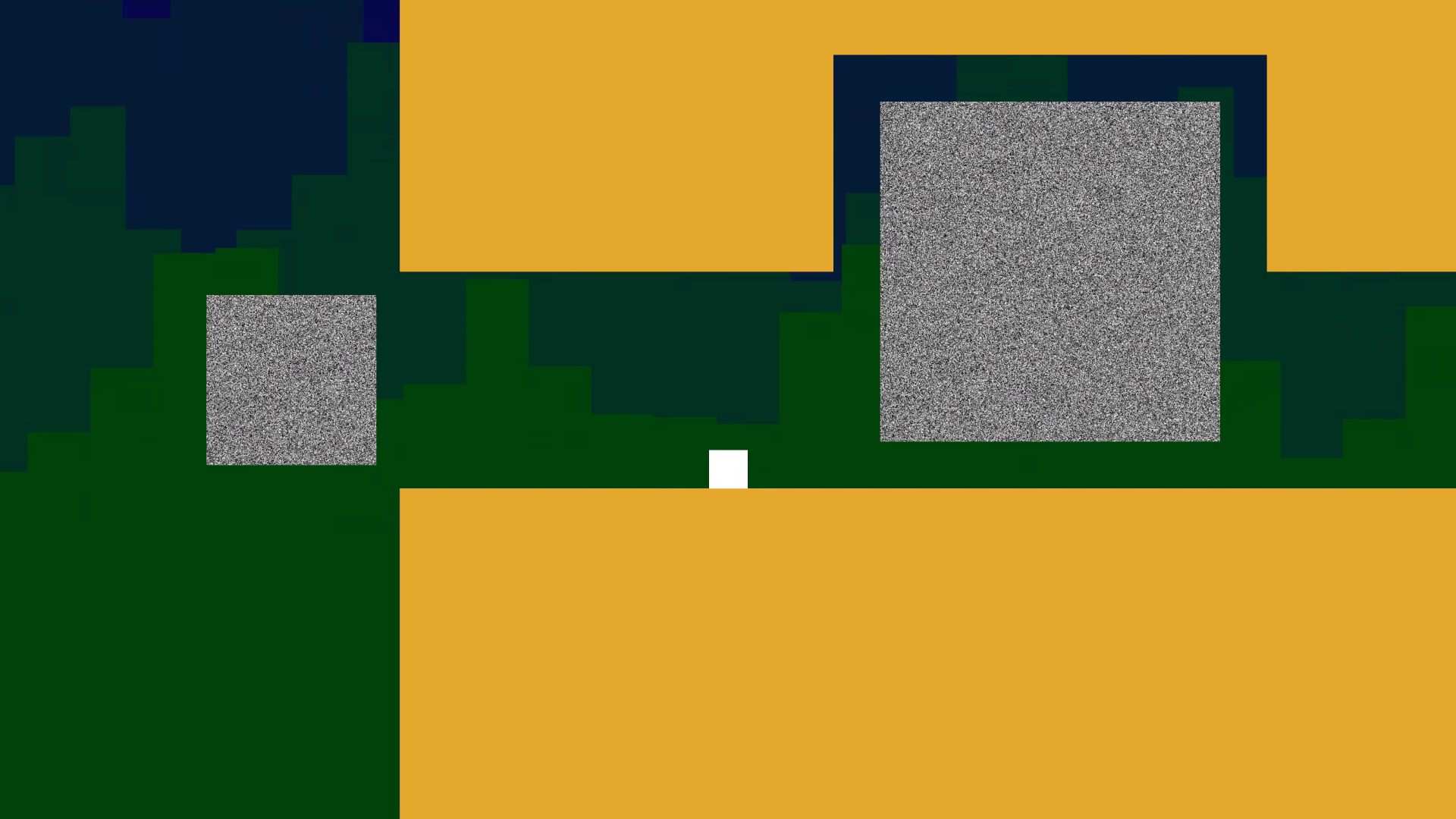
    So what is 140? As with last weeks 6180 The moon, the title really doesn’t tell you anything about the game, and seemingly feels quite random. Again, like 6180, 140 is an abstract (think simple shapes and colours) platformer, where the player must make their way through 3 different levels, making sure to keep their jumping and movements in tune with the music constantly playing in the background.

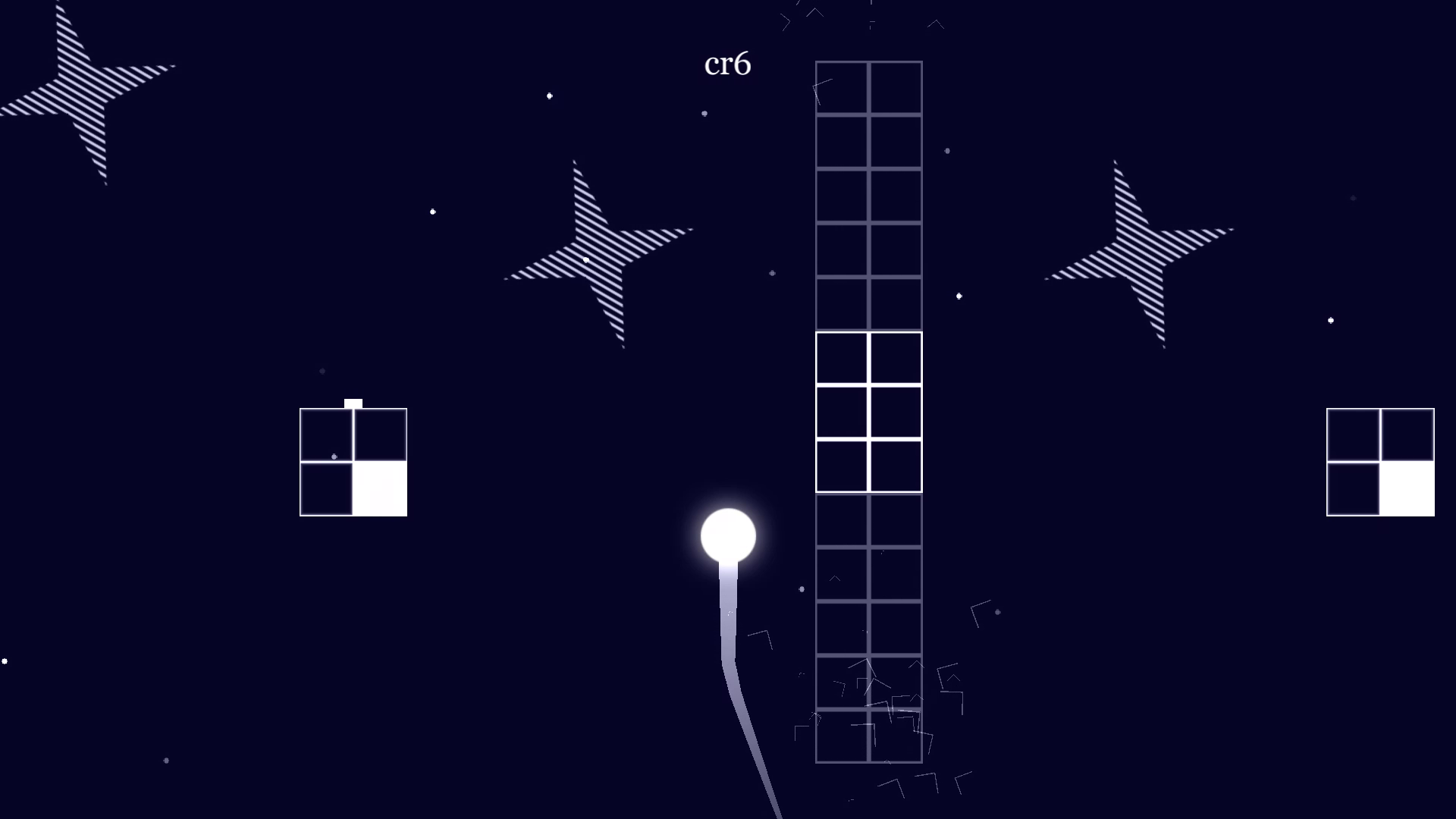
    Simple premise again I know, but where I genuinely got hooked to 140 was in it’s fantastic style, and brilliant music mechanic, where the patterns you see and hear truly help you to advance throughout each level. Each level introduces new obstacles and mechanics to take advantage of; some blocks for example may change in size depending on the beat, whilst others may become deadly at set intervals. Regardless how you start out playing 140, you eventually get into a rhythm where you listen to the music whilst observing what new obstacles lay before you. After a few attempts, you’ll manage to successfully pass the puzzle before you, only to see it mutate and naturally become more advanced later on.

    vlcsnap-2016-02-17-21h24m13s602

    This simple repeated premise helps keep 140 enticing for the entirety of its hour playtime, with myself raging when my controller ran out of battery and couldn’t reconnect until I restarted the game. I didn’t mind too much; replaying an entire level was really enjoyable, especially when you’ve learnt how a level reacts to the music. It helps to make you feel intelligent for overcoming the challenges laid before you.

    There’s no story to speak of, but the game has got “boss” battles, which are all different and challenging in their own right. Whilst there’s no context as to why you’re advancing through each of the levels other than progression for progressions sake, it was fairly refreshing to play a game that was purely about the mechanics, rather than trying to knit a story into an otherwise abstract game.

    Now onto the music. It genuinely cannot be stated how good the music in 140 is, and how important a role it plays in the gameplay itself. As an example, listen to an excerpt of the music below:

    (yes, I know that’s not the game’s official soundtrack, but unfortunately the developer never got around to separating the games audio from the game itself, so somethings bette than nothing!)

    It’s genuinely stunning. I’m just annoyed there isn’t an official soundtrack for the game, as I’m fairly certain it’d become my new go-to programming/generic background soundtrack.

    vlcsnap-2016-02-17-21h25m20s104

    All in all, I’m genuinely glad I played 140. It’s been in my steam library for yonks (2 years apparently; I wasn’t even aware) and was a game I always overlooked. So my recommendation to you: should you look in your steam library and see 140 towards the top, do me and yourself a favour and play the game. It’ll only take an hour (two hours if you want to do the optional 3 levels where you have no lives), and is thoroughly enjoyable.

    4/5

  • Weekly Gaming: 6180 the moon (PC)

    Weekly Gaming: 6180 the moon (PC)

    vlcsnap-2016-02-17-21h30m44s851

    I’m not sure what brought me round to playing 6180 The Moon. The naming certainly wasn’t a part of it, with the name only being semi-descriptive as to the games purpose and nature. I suppose it was just blind luck that I happened across it, which is indeed lucky considering my Steam library has over 640 games. Regardless, the fact of the matter is I’m glad I happened across it, as 6180 is one of my favourite puzzle games I’ve played in a long while.

    Simple but hard.

    That one sentence is one of my favourite game mechanic philosophies of all time, and one that 6180 the moon pushes perfectly. The premise is simple; get to the end of the stage using traditional platforming mechanics but with one huge twist: jumping off the top of the screen or bottom will make you reappear on the opposite side instantly. What seems simple soon becomes a nightmare to overcome, with obstacles and level design pushing you to your wits end.

    vlcsnap-2016-02-17-21h28m38s555

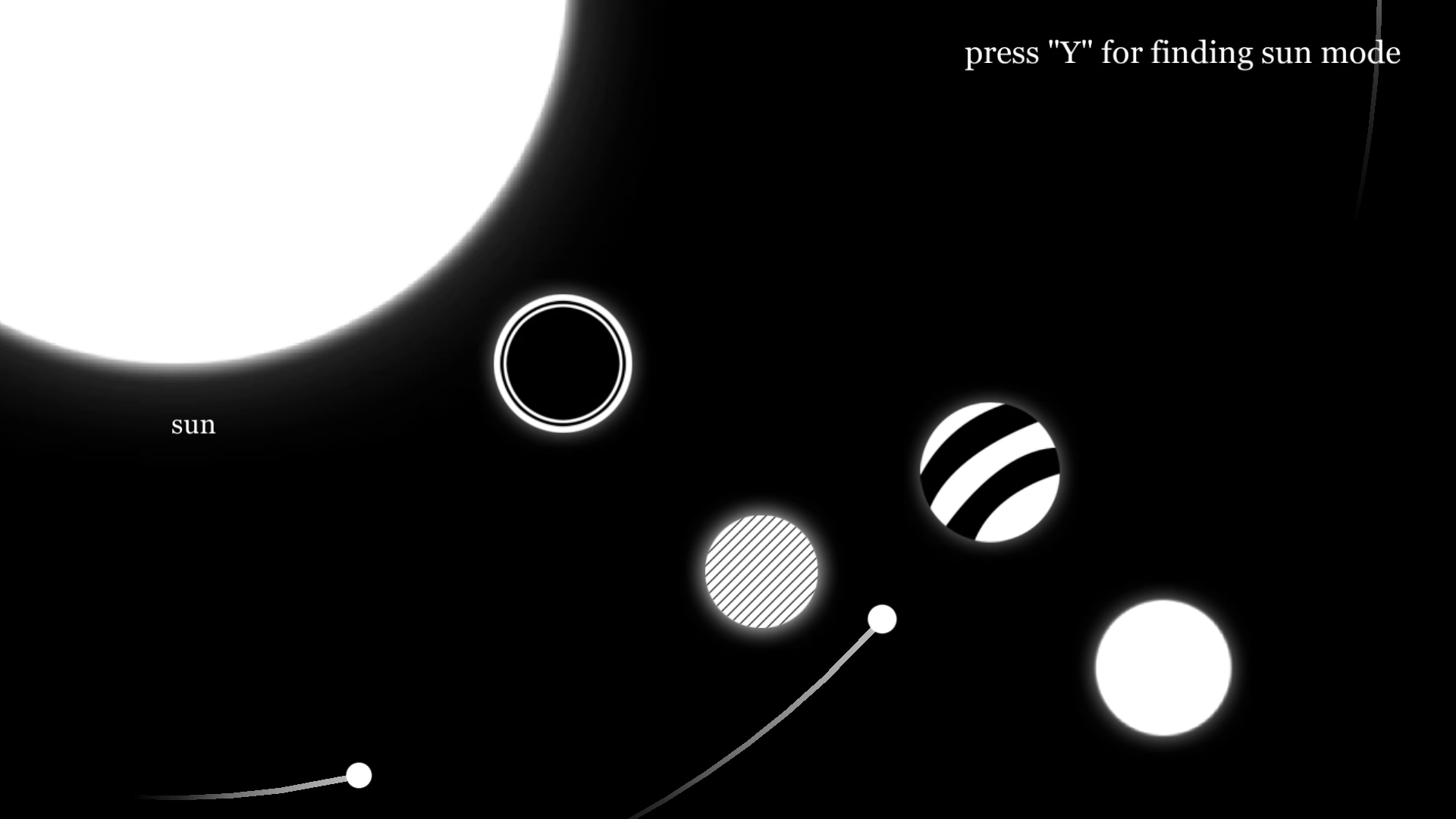
    Playing as the moon, your objective is to find out what’s happened to the sun, as there seems to be a never ending night. Making your way left to right, from the moons current position around the Earth to where the sun’s supposed to be, you’ll make your way through 49 increasingly challenging and fantastically made levels. Upon your travels you’ll encounter the Earth, Venus and Mercury in your quest for the Sun, with each planet having it’s own unique personality. These segways between each set of new levels seem a bit trivial, but a little bit of a story between gameplay sections can never hurt.

    It’s always amazing to me how far a simple premise can be pushed. 6180 the moon genuinely is amazing at keeping each and every level refreshing and new. Nothing ever feels over-used, even when you complete the game and have to redo every level in reverse, it all still feels authentically fresh. Every single level constantly feels original; from the simple levels that require a different perspective, to the hard ones that require avoiding obstacles and timing your jumps correctly to get past a long canyon filled with spikes; it’s all just fantastic.

    vlcsnap-2016-02-17-21h29m20s453

    The graphics are simplistic, and that’s quite alright. For an indie game with a relatively tiny budget, you have to make the most with what you have, and for that, the game’s simplistic graphics helps to not detract from the games fantastic mechanics. Not only that, but like Thomas was Alone from all those years past, the graphics actually help in telling a story, with nothing getting in the way of the lovely story of a Moon trying to make the world right again by finding the sun.

    The music was fantastic throughout my playthrough, with brilliant orchestral moments interspersed with relaxing background music, it made for a fantastic experience throughout. Don’t get me wrong, you’re not going to be coming to the game purely for the music alone, but it’s good, and helps really make the game enticing from start to finish.

    vlcsnap-2016-02-17-21h29m39s159

    So, I know this is a shorter review than usual, but my god, there’s not much more to say other than the game is a fantastic platformer than truly feels original and refreshing. If you need something to play for a few hours, you cannot go wrong with 6180 the Moon. I enjoyed myself so much that I even completed the mirror mode, something that doubled that amount of time I had with the game.

    4/5
  • Weekly Gaming: Coffin Dodgers (PC)

    Weekly Gaming: Coffin Dodgers (PC)

    I’m a bad person.

    I was given Coffin Dodgers months ago to review, when the game was about to come out to drum up hype. Problem was, I had a lot of other things going on, so I kept putting the game off until I had some downtime so I could properly invest some quality time into the game. With my  “52 games in 52 weeks” going again this year, I sat down at my PC, finally downloaded the game, and gave myself a few hours to see what Coffin Dodgers had to offer.

    When first booting it up, I couldn’t help but feel nostalgia for old PS1 games. The simplicity of the presentation, from the introduction, to the story, all felt so much like games I remember from my childhood. The simple characters, with funny names, and extremely limited tutorial all added to this nostalgia, resulting in my first 15 minutes of playtime feeling fantastically familiar, and down right pleasant.

    The problem was, the main campaign just couldn’t keep this positive ride going. What starts off simple soon became a clash against the game mechanics itself, resulting in some of the most annoying gaming moments of 2016 so far.

    Whilst the looks (and some of the gameplay) began with evoking feelings of complex cart racers, the physics engine soon just could not keep up with the slick presentation. Sometimes I’d get bumped off geometry that simply did not exist; other times the AI became a complete nightmare to compete with.

    It didn’t help that there’s no skill involved in the core driving experience itself. You just drive around a track with your acceleration barely changing, with no jumping or sliding mechanic present. It’s so simple that there’s even an option to enable “auto-accelerate” should you want it. At least with games like Mario Kart or Crash Team Racing there was a skill to the game on corners where (should you be good enough) you could skid around and get a boost. Not in Coffin Dodgers, where your only way of progressing is luck based on the pickups you get.

    So for a game so entrenched in making every appeal to 90’s gaming kids, what’s on offer that actually pleases?

    Well for one, the graphics are absolutely charming. The town you race in is lovingly rendered, at times even looking like a Disney film. Then there’s the characters, who all have their own unique little traits, and who have fantastically hilarious names and backstory’s. I thoroughly enjoyed the premise (Death has said it’s time for the 7 OAP’s to die, so they all challenge him to a race in their scooters), and loved the ways the premise was used for funny weapons (smacking other racers with your walking stick will always be funny).

    The courses were fantastically varied too, with each “theme” changing which area you’d drive around the town. The farming section for example starts pitting the racers against each other towards the outskirts of town, with each sub-race taking a different route above and below ground. Each course also had it’s own “destructibles”, items or characters placed around the track that could be run over for extra XP (the games’ way of determining how well you performed on a race, giving you an amount of gold for your effort), a great way to keep me coming back to tracks time and time again to destroy as much as possible.

    There’s also an upgrade system, whereby you can spend your hard earned cash on upgrades for your scooter. whilst this was a fantastic idea in theory (who doesn’t love progression?), I found that the upgrades genuinely amounted to nothing, meaning by the end of the game, despite having a fully upgraded vehicle, I still didn’t stand a chance against the AI, meaning the entire game was down to luck rather than skill.

    And it’s in that nuisance of “luck vs skill” that I felt Coffin Dodgers truly let me down. I came in happy and excited at the prospect of playing a game inspired by my childhood, but in the end, came away annoyed. Games should always have equal parts skill, and equal parts luck, but unfortunately with Coffin Dodgers I could help but feel I was an innocent bystander, watching as the game passed me by. I had next to no affect on the end outcome of matches, and would genuinely put it down to luck should I have actually won a race.

    By all means give Coffin Dodgers a go; I’m sure it’s multiplayer would be enjoyable (playing on PC is a nightmare for trying that mode), but don’t expect much for your money. At an hour in length for it’s main campaign, Coffin Dodgers left much to be desired. It’s a shame, as the premise genuinely intrigued (and delighted) me due t the lack of good kart racers in recent years. I can only hope Milky Tea Studios learn from their first game,  and continue in this genre: I’m sure they can make a great game, it just isn’t Coffin Dodgers.

  • Weekly Gaming: Super Mario 3D World (Wii U)

    Weekly Gaming: Super Mario 3D World (Wii U)

    It’s genuinely insane how much adoration and annoyance I have for Nintendo games. On the one hand, they make absolutely charming games that are addictive for days, weeks, years even until you’ve collected everything a game has to offer. I remember doing just that with Super Mario 3D Land, collecting everything (yep, every single stage twice as Mario and Luigi + secret stages) the game had to offer. But my annoyance comes from the fact that they make the same games every generation of consoles, with the aesthetics being one of the only things they mix up with recent iterations (Yoshi’s Woolly World & Paper Mario come to mind). Thankfully, Super Mario 3D World is not one of those games, and as a consequence, is some of the most fun I’ve had on a Nintendo game since 3D land all those years ago.

    1381512525385-1

    You see, whilst most other nintendo IP’s have been through several generations of consoles before they ended up being rehashes with new aesthetics, Super Mario 3D Land was only released a few years ago on the 3DS. The great 3D environments and fantastically short levels truly helped to make one of the most exciting and original Mario games of recent memory. Super Mario 3D World elevates this praise and takes it to the next level, showing what you can do with a Mario game in 2013, with a proper console behind it.

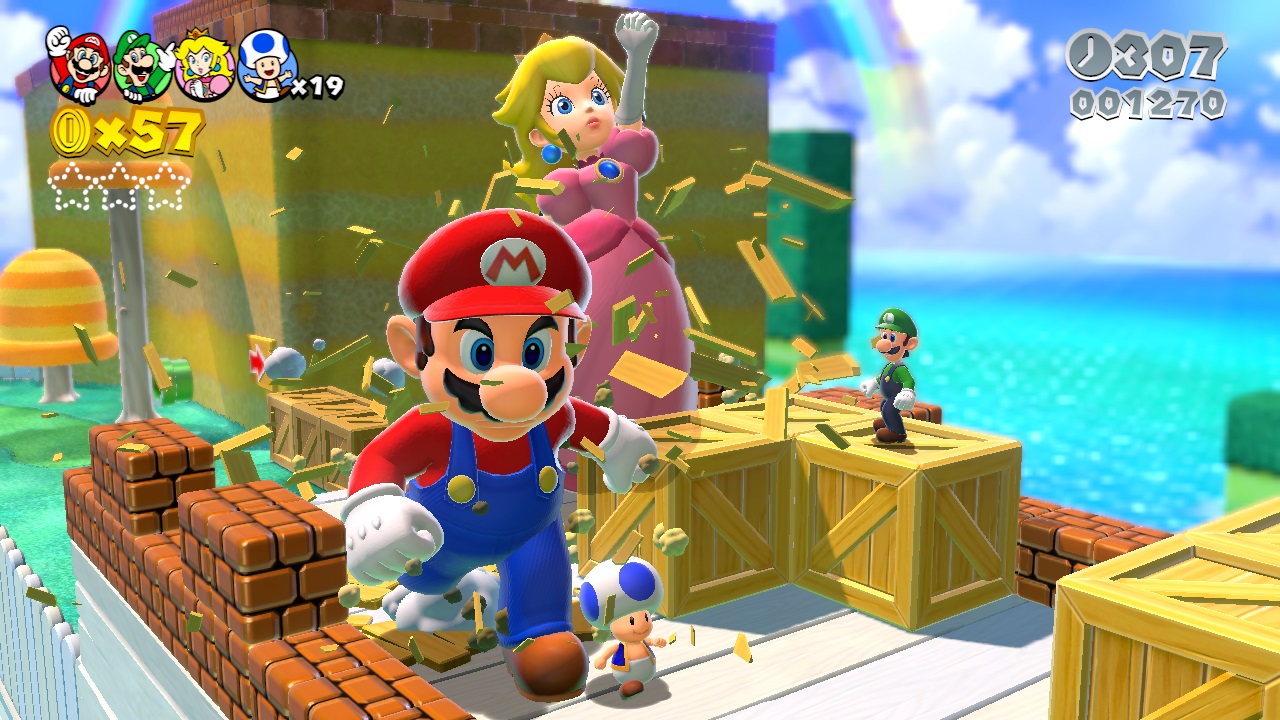
    One of the first things I have to get out of my system about the game is it’s absolutely stellar presentation. Seriously, who knew simplistic geometry and cute disney-esque designs could be so god damn gorgeous? Everything, from the grass waving in the wind, to the mud that you see underneath, is absolutely stunning. It’s also insane that in a time when most console games are struggling to reach 30fps, Super Mario 3D World never stutters or moves below 60FPS, helping to keep gameplay smooth, no matter how many players or enemies are on screen at any one time.

    sm3dw1

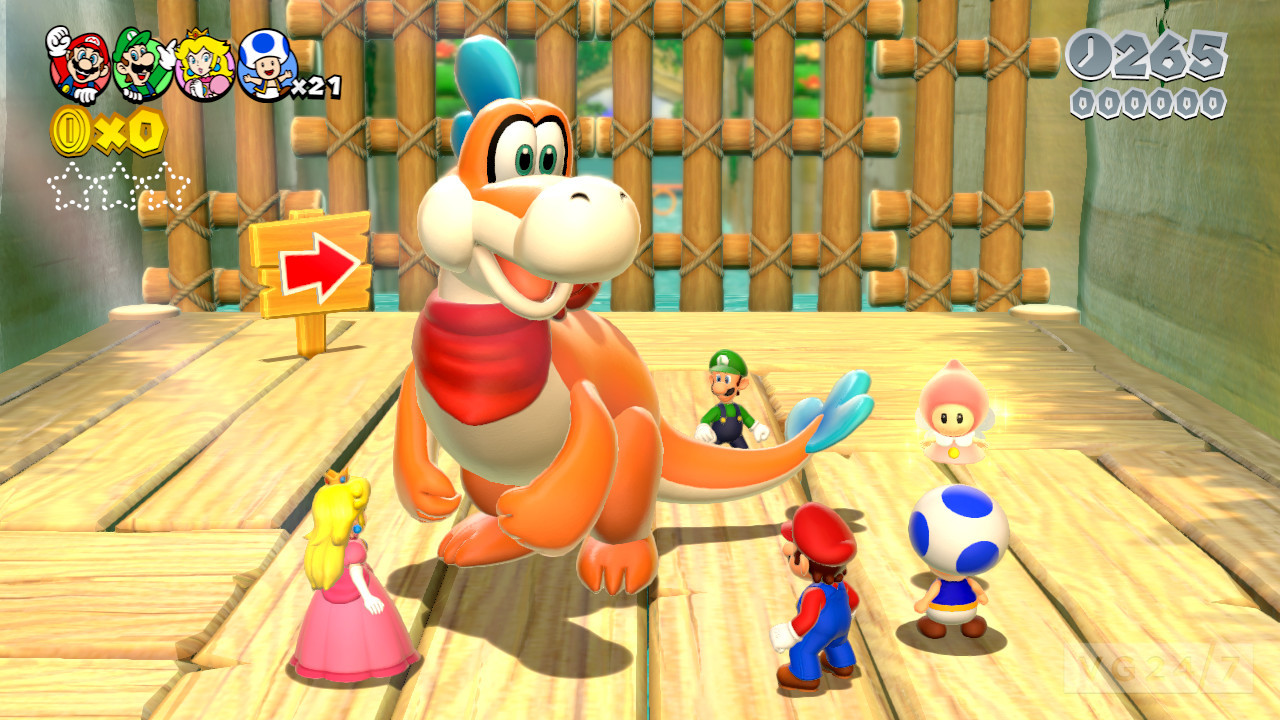
    The addition of multiplayer is a huge advantage over it’s predecessor on the 3DS. Being able to play the game with my other half ensured that I was finally able to incorporate her into my game time, ensuring she had a lot of fun whilst I got to play a game I wanted to review. Yes there were disagreements, it’s bound to happen in a game where the camera is trying to incorporate both players in the screen at any one time, but it was still enjoyable all the same.

    With the presentation and multiplayer out of the way, how does the gameplay hold up? Rather well actually. Mario and the team still jump in the ways they always have (with peach being hugely OP since she can hover whenever she likes!), but because of these mechanics being the same as they always have been, where does nintendo find the innovation? In the course design and power-ups. You see, rather than resting on their laurels, Nintendo came up with quite a few new power-ups to use throughout, from the new cat bell which turns Mario and co into cats that can climb walls (in all fairness, this power-up feels like Nintendo’s pandering to the internet culture, but it was still good to use all the same), to the new cherry power up (which spawns a new playable character on the screen) found throughout certain levels, each power-up felt great to use and helped in keeping each stage original, and giving new options by which to traverse the levels.

    super-mario-3d-world-2

    It’s thanks to the course designs that each level is so enjoyable to play and go back to. Everything’s doable without power-ups, but it’s the power-ups that will help you achieve 100% of collectibles within a level should you have them. For example, the vast majority of levels will allow you just to rush through, but should you wish to get a collectible green star (there are 3 of them in each level), you’ll need to climb a wall, which can only be done with a cat bell power-up. Most stages will give you these at the start, so it’s up to your own skill as to whether you can keep them until the end of the stage. It’s a fantastic system that ensures everyone feels encouraged to finish a level (no matter whether they’re tiny Mario or full upgraded), and helps to make sure those who are slightly more skilled (who keep the power-ups) get the satisfaction of beating a level without being hurt.

    There are drawbacks to the new camera angle approach in Super Mario 3D World, and it’s mainly present in multiplayer. You see, trying to keep multiple players on the screen at the same time can take a lot of effort on the developers side, so to compensate, they make the player who’s ahead and on the correct path the main, focused player, whilst also zooming out to show the other player. This approach works most of the time, but there were so many instances where I would have to turn into a “balloon” in order to get back to my other half on screen, even though I was getting a power-up or collectible. It’s frustrating at times, and can also cause you to miss-time your jumps, resulting in lives lost or getting damaged by simple creatures like goombas.

    Super-Mario-3D-World-7

    Overall, Super Mario 3D world is simply one of the best games I’ve played in recent memory. It’s simplistic control scheme and simply sublime graphics really help to show how Nintendo go to where it is through sheer polish alone, a rare sight in a world with buggy games and unpolished presentations. If you have a Wii U, the price tag of Super Mario 3D World may be steep, but it’s worth every penny.

    5/5

  • Weekly Gaming: Pneuma: Breath of Life (Xbox One)

    Weekly Gaming: Pneuma: Breath of Life (Xbox One)

    I’m not going to lie; I only happened across Pneuma: Breath of Life because I was worried I wouldn’t finish a game this week and needed a quick and easy game to complete. Checking through game times on HowLongToBeat.com whilst also using my xbox One, I finally happened across Pneuma, and being as I needed to complete a game desperately, I decided to give it a go.

    Pneuma: Breath of Life_20150713223348

    The first thing that grabbed my attention (for the worst may I add) was the annoying voiceover that seemed, if anything, detrimental to the game and experience I was having as a whole. I understood why it was there (to give a familiar voice and person to attach to whilst exploring a desolate world), but otherwise, his voice was annoying and his questions were far too philosophical for my liking.

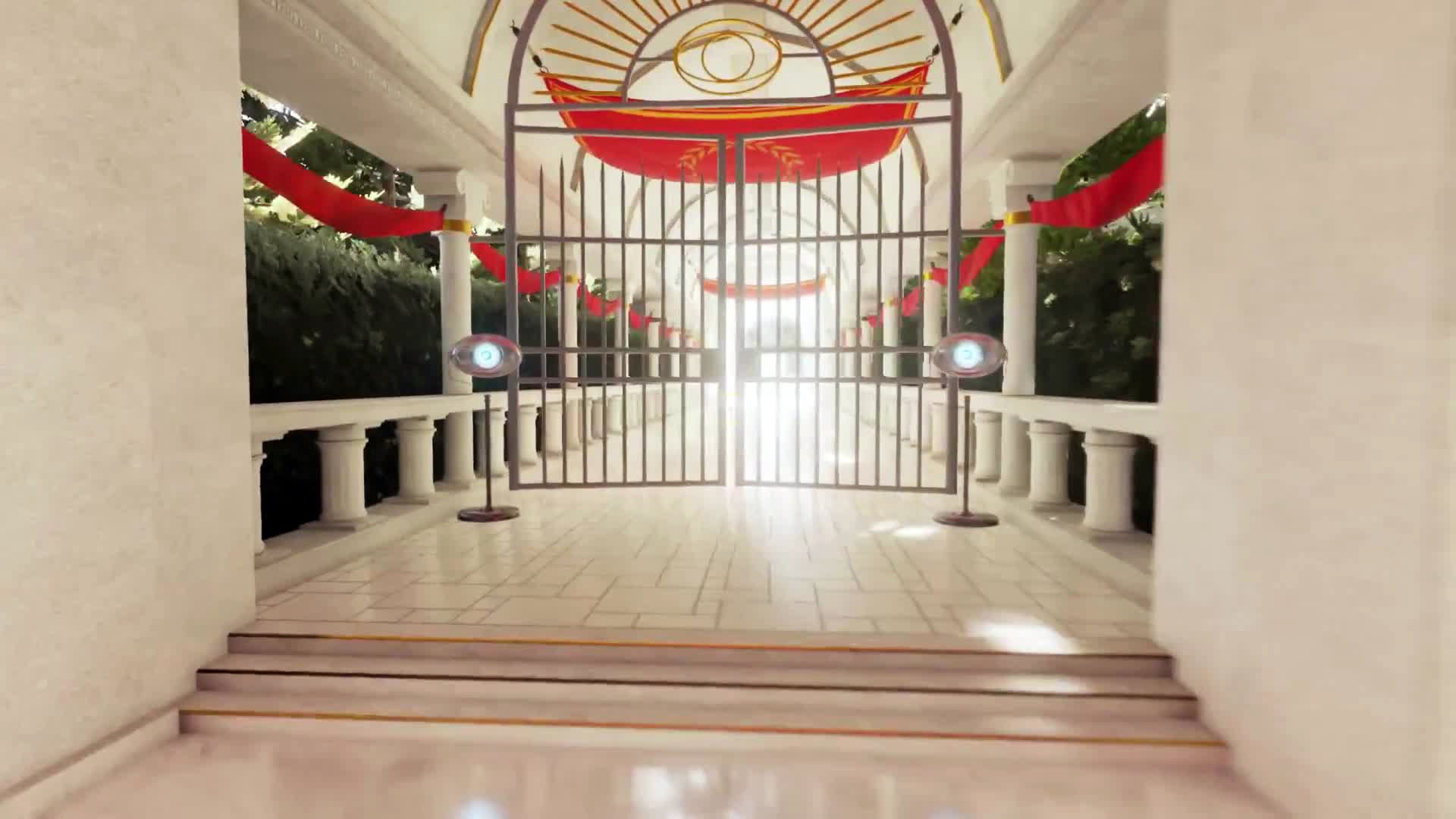
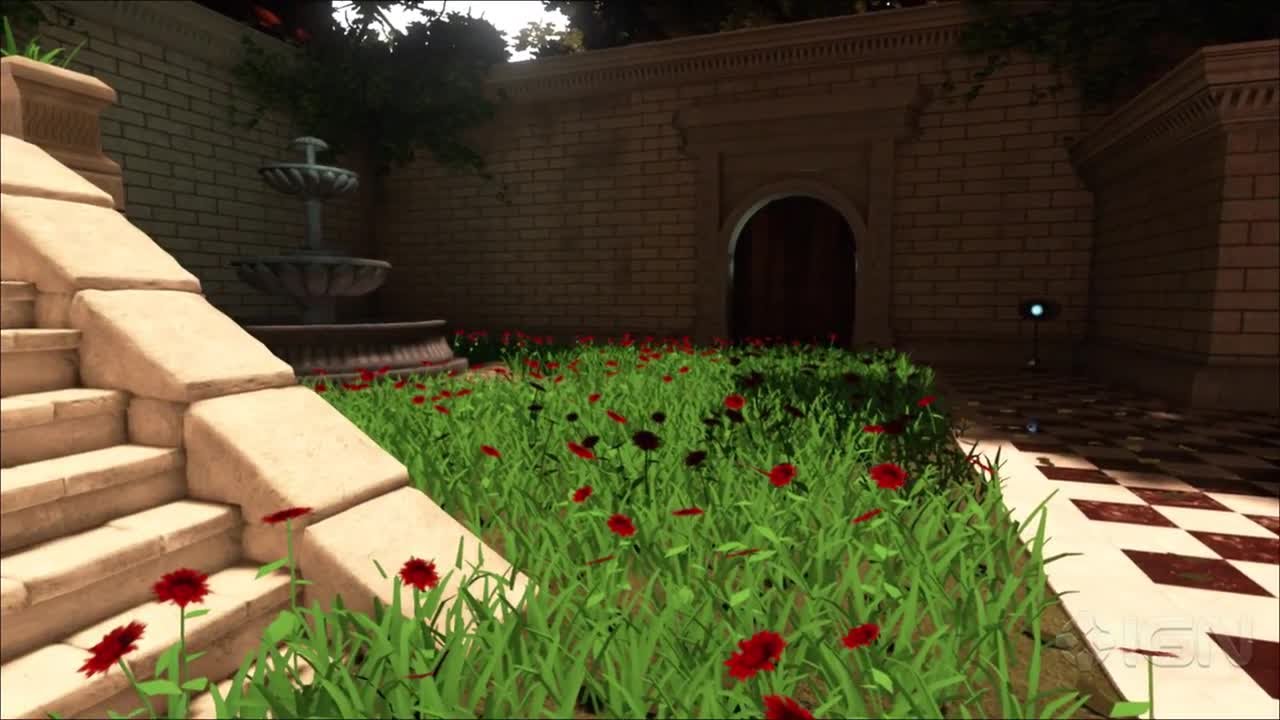
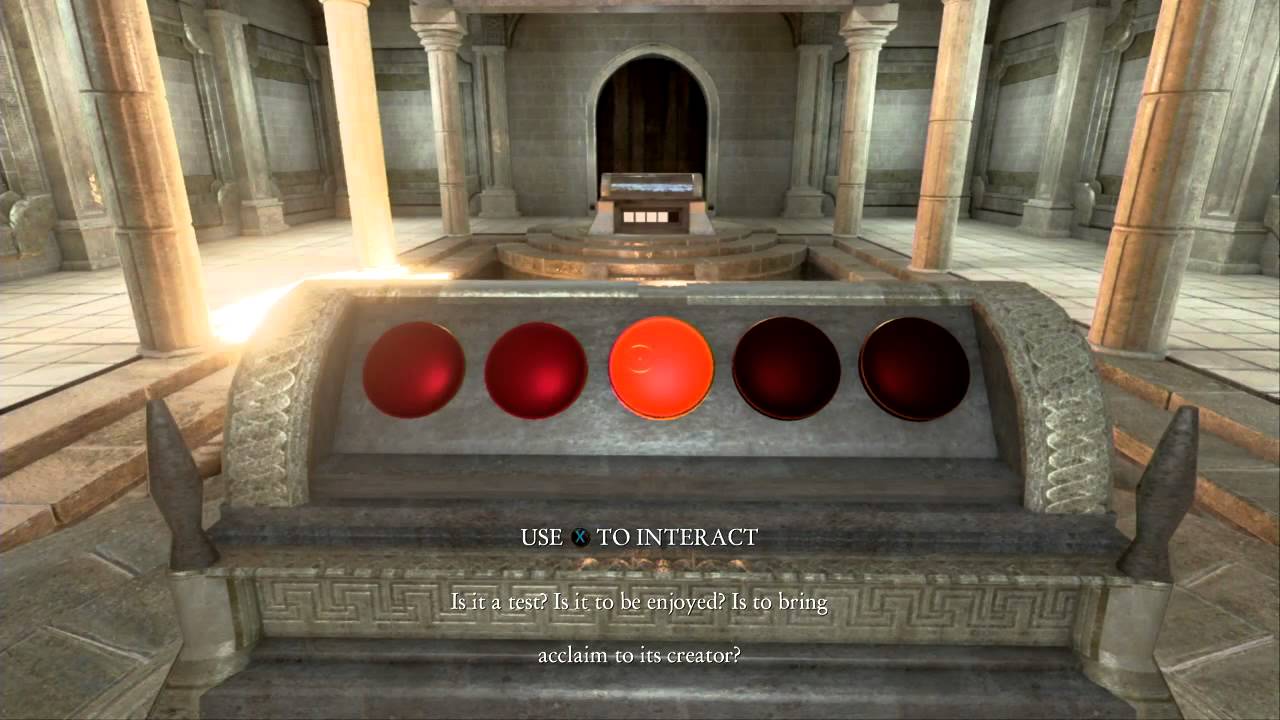
    Move past the annoying voice in your head and you soon experience a breath-taking visual affair with the game. Tiles reflect realistically as you make your way around what appears to be an old museum (which has manifested before your very eyes), with every detail, from the wooden bookcases to the golden arches all being stunningly rendered in real-time. I find it insane that a small indie studio made this game, as it genuinely looks like something a AAA studio would create with thousands of pounds and hundreds of artists.

    maxresdefault

    Beyond all that beauty, there is a game to behold, with puzzles being thrown at you with every new room you enter. Whilst some of the puzzles centre around pulling levers to move objects in the world, the vast majority of them involve observation; where you must observe certain objects in the world in order to progress. For example; one room may contain bridge that isn’t in the correct location. Should you look at it and move left, it’ll move left with you, but only when you focus on it.

    It’s also through this observation mechanic that the game narrates itself, saying that if one can perceive themselves and only themselves, are they truly alive, or a figment of ones imagination? It’s questions like this that constantly get asked throughout the entire games 2 hour play length, and whilst none of the questions are ever answered, they still leave a good imprint on you once finished.

    A fantastic example the questions leaving an imprint was just towards the end of the game, when the narrator you’re controlling finally realises he’s being controlled by you and that he isn’t in control of his own destiny. In this instance, the narrator starts trying to “tug” away from your onward journey towards the games end; a fantastic scene that truly broke the fourth wall and made me partially believe I really was controlling someone against their will.

    maxresdefault-2

    For all my talk of how annoying the voiceover was in the first half of Pneuma, I genuinely started liking him towards the end. Partially probably because he started talking less often, but also because he stopped being so quirky, stupid, and random and actually started sounding like a proper human being.

    The same progression of character cannot be said for the puzzles themselves throughout Pneuma. Whilst they start off difficult in the early sections due to the new mechanic of observing eyes throughout the environment, they soon start becoming repetitive and easy later on, to the point that every new puzzle you come across you merely know to look at it in a new way and it’ll fix itself eventually. It’s a shame the puzzle elements fizzled out, but I suppose you can’t expect the developers to have perfect puzzles throughout with the same limited pallet of puzzle pieces.

    maxresdefault-3

    Considering the game was only 2 hours long and was fairly enjoyable, I found myself surprised I hadn’t played Pneuma earlier. The game was free on Xbox Live Games with Gold a while back, and whilst I only played it because I was in a hurry and knew it was fast to complete, I still came back to it after seeing the credits, just to make sure I found everything Pneuma had to offer. Should you have Pneuma in your library, I’d hugely recommend investing those few hours into it; you’ll be left impressed, and at the minimum, would have at least enjoyed what you saw.

    4/5
    p.s. I apologise, but this week I was going to do a video review of Pneuma as well. Unfortunately, my video capture card decided to only capture the second half of my play through, so I don’t have enough footage.

  • Weekly Gaming: That Dragon, Cancer (PC)

    Weekly Gaming: That Dragon, Cancer (PC)

    Hi all,

    So for this week I managed to finally play the game I backed over a year ago on Kickstarter: That Dragon, Cancer. It was a fantastic experience, one I’m glad I played, and whilst I wouldn’t necessarily call it a game, it still was worth playing and experiencing.

    You can read my full impressions below:

    http://www.vgchartz.com/article/262877/that-dragon-cancer-pc/

    Also, I made a video review of this game too! You can find it below:

    Hope you’re all well, and thank you for visiting!

    -Dan

  • Weekly Gaming: Paper Mario: Sticker Star (3DS)

    Weekly Gaming: Paper Mario: Sticker Star (3DS)

    Weirdly enough, in all my years of owning Nintendo consoles; from the very first 3DS that I saved up my own money to buy at the age of 13, to the Gamecube I bought a few years later, I’ve never owned or played a Paper Mario game. Don’t get me wrong, I’ve always admired them from a distance; their fantastically stunning presentation always had me attracted to them, and from what I always heard, their RPG mechanics also tempted me time and time again. Alas, years later and at the grand old age of 28, I decided to pop my Paper Mario cherry. Suffice to say, I’m glad I did.

    Paper_Mario_Sticker_Star_Gameplay

    There’s more to the game then just the visuals; Paper Mario Sticker Stars takes place in a book/land where the world is not only made of paper, but knows about stickers and their incredible abilities they hold. Once a year a sticker comet comes down to the land during the sticker festival, for all to marvel at how much power it holds. Unfortunately, with Bowser being Bowser, he decides to try and steal the Comet Stickers power, and thus begins Mario’s adventure through this gorgeous and crazy world.

    The sticker/paper motive is really taken to the extremes throughout the course of Paper Mario Sticker Star, both to it’s advantage visually, but also to it’s deterrent mechanically.

    paper-mario-sticker-star-e1352150834202

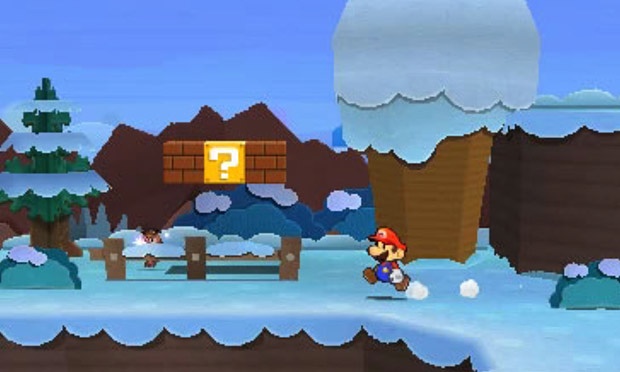
    From a visual standpoint the sticker/paper combo really helps to bring a visually stunning world to life, with every character fitting nicely into two dimensions. Mario for example can be crumpled up like a piece of paper, and due to all the characters two dimensions, see them on their side and they’re basically invisible. Stickers are commonly found throughout the world; on walls or under bushes, it’s fantastic peeling them off whenever you find them to see them fall with grace like a piece of paper in the wind. It’s all a wonder to behold, and truly is a stunning feat for nintendo to achieve; Paper Mario Sticker Star is one of the most visually pleasing games I’ve played in a long time.

    Whilst the stickers and world are really a delight to be seen in action, the mechanics of them are not great. Battles take place with enemies like a traditional turn-based RPG, meaning you’ll select an attack and proceed to block oncoming offences. The problem is, the stickers you find throughout the world (and can buy) are the very stickers you need in order to attack and defend against enemies. It’s a cool idea in theory, but left me stuck many-a-time when I didn’t have the correct sticker to take on a specific enemy; an annoyance no gamer wants to come across after putting hours into a game.

    Sombrero-noscale

    Another problem with the stickers is the very core of the gameplay loop; there’s no XP for gain in Paper Mario Sticker Stars, meaning your progression through the game is on the stickers alone. Nintendo have done good to provide stronger and stronger stickers as your proceed through the story, but in focusing the whole game around this stickers, it never felt like I was progressing. Typically in RPG’s I enjoy fighting as many enemies as possible at the stat of the game so I can become strong enough to kill hard enemies with relative ease, helping me to feel empowered in an otherwise atypical game. The problem with a system like Paper Mario Stick Star is that in giving you no reason to fight enemies for a gain at the end of the combat, and instead giving you a net loss of losing your hard earned stickers from damaging goomba’s, you’re under no incentive to actually fight any enemies at all unless absolutely necessary (e.g. They’re blocking an exit). I spent the first few hours fighting everything I came across until I made that realisation; I wasn’t gaining anything at all, so what was the point?

    It’s just a shame about the combat system, as I actually really enjoyed the fighting. Timing jumps is always enjoyable and keeps a user engaged with turn-based RPG’s, and the ability to block against enemy attacks is always a bonus and incentive for keeping you engaged with the game at all times. I still had fun with the game overall, but as said previously, I genuinely let like there were no progression. I just went on a linear path the developers wanted me to go on gaining stickers strong (or weak) enough for the current enemies.

    Paper-Mario-Sticker-Star-010

    Another annoyance about the sticker system is the ability to go into a fight with the wrong stickers in the first place. There are certain “things” that can be found around the world. These 3D household objects can be turned into rare and powerful stickers, that, during combat, can have huge effects on your foes. The problem is, some of the bosses in the game (and levels!) are absolutely essential on you having one of these stickers in your possession.

    Case in point; I wasted dozens of minutes fighting a fish that would simply jump into the water and heal itself once you first damaged it. Not knowing what to do I would constantly try and hurt it, all to no avail. After getting so annoyed of getting the game over screen time and time again, I decided to check out a guide online. Turns out in one of the levels you can find a fish hook; this fish hook should be used only when the fish goes into the water, and that allows you to continue fighting him.

    papermario-1352386509

    It’s genuine annoyances like the example above which really made the mechanics of Paper Mario grate on me after a while. If it wasn’t for the charming graphics and gorgeous presentation, I may not have made it to the end.

    Whilst this article makes it sound like I’ve shitted on Paper Mario Sticker Stars more than sang it’s praises, I should say here that I genuinely still enjoyed the game from start to finish; but only in a presentation and story way. The mechanics let me down because they (in theory) should have complimented the art-style, but instead they detracted from the games’ mechanics as a whole. As I said at the start of the article, I’m glad I finally popped my Paper Mario Cherry, but man oh man was it a bittersweet time.

    3/5
  • Weekly Gaming: A Story About My Uncle (PC)

    Weekly Gaming: A Story About My Uncle (PC)

    A Story About My Uncle managed to go under my radar for quite a while, having not really heard anything about the game both in reading games websites, and in talking to friends. Eventually, my brother showed me the game whilst I was visiting family one weekend, saying it looked fantastic, and shouting about how much it needs to be played. I bought it on steam, and ignored it for a good long while. Being the start of a new year I decided it was time to actually give the game a go and put it through its paces to see if it deserved as much hype my brother was lauding it with.

    vlcsnap-2015-12-30-20h57m12s826

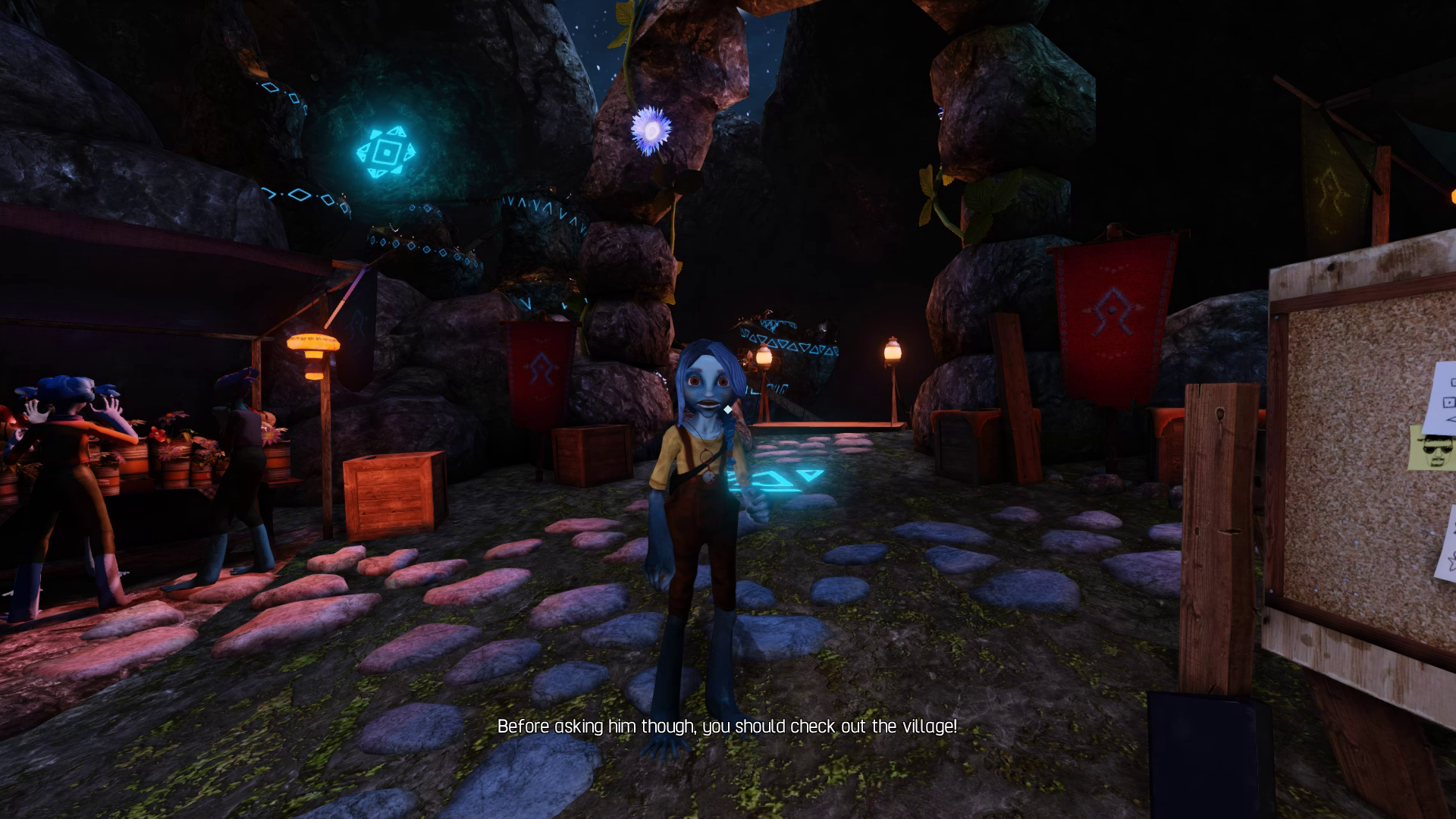
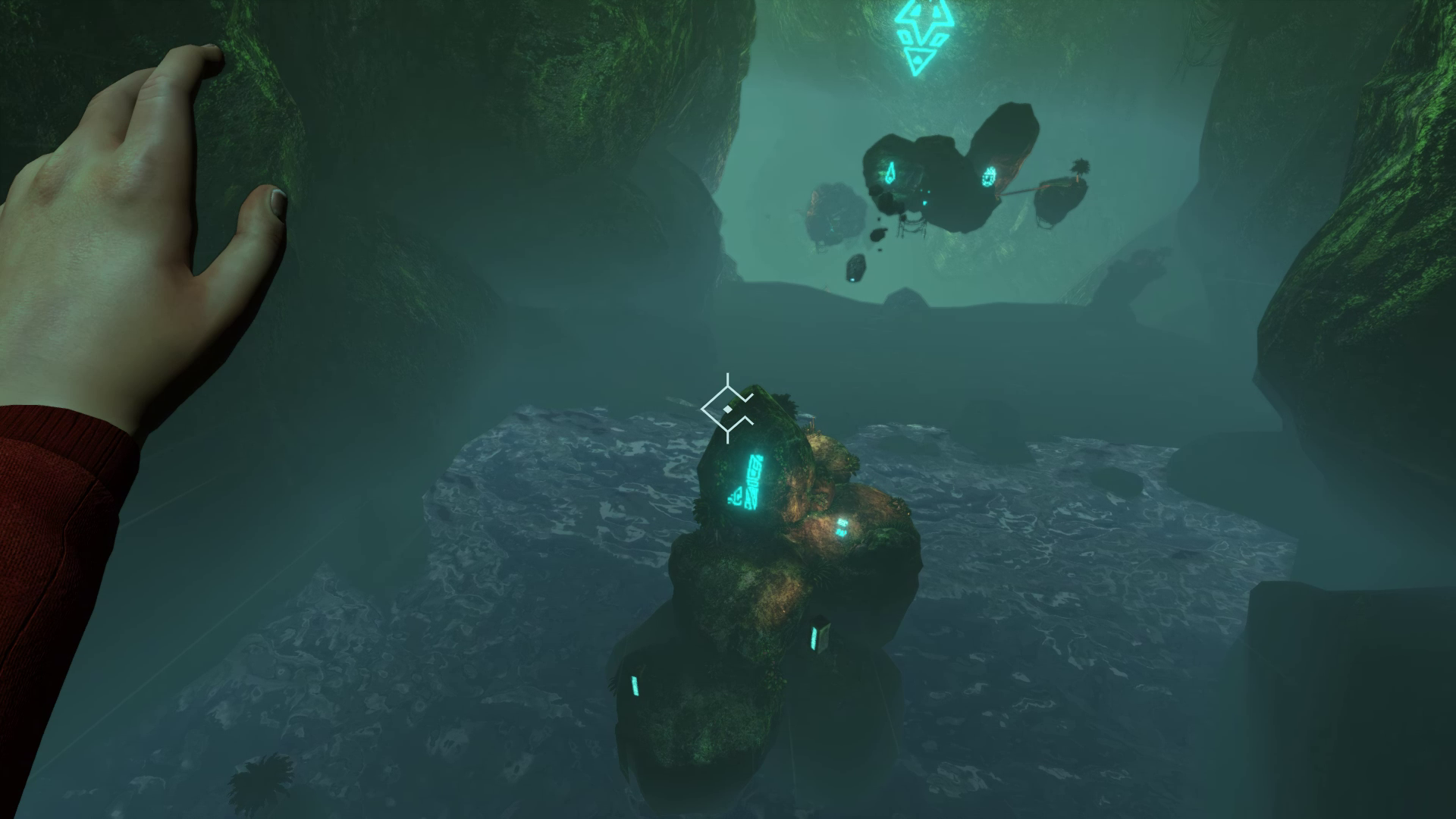
    So to set up the premise of A Story About My Uncle, you play as a child looking for his estranged uncle, all the while this is being narrated to a little girl as a bedtime story. You start the game off in your uncles laboratory, and happen across a suit made just like your uncles, only smaller, as if it was made for you. Donning it and proceeding upstairs, you come across a “Garbage” pad, which, once activated, sends you to a new and wonderful place.

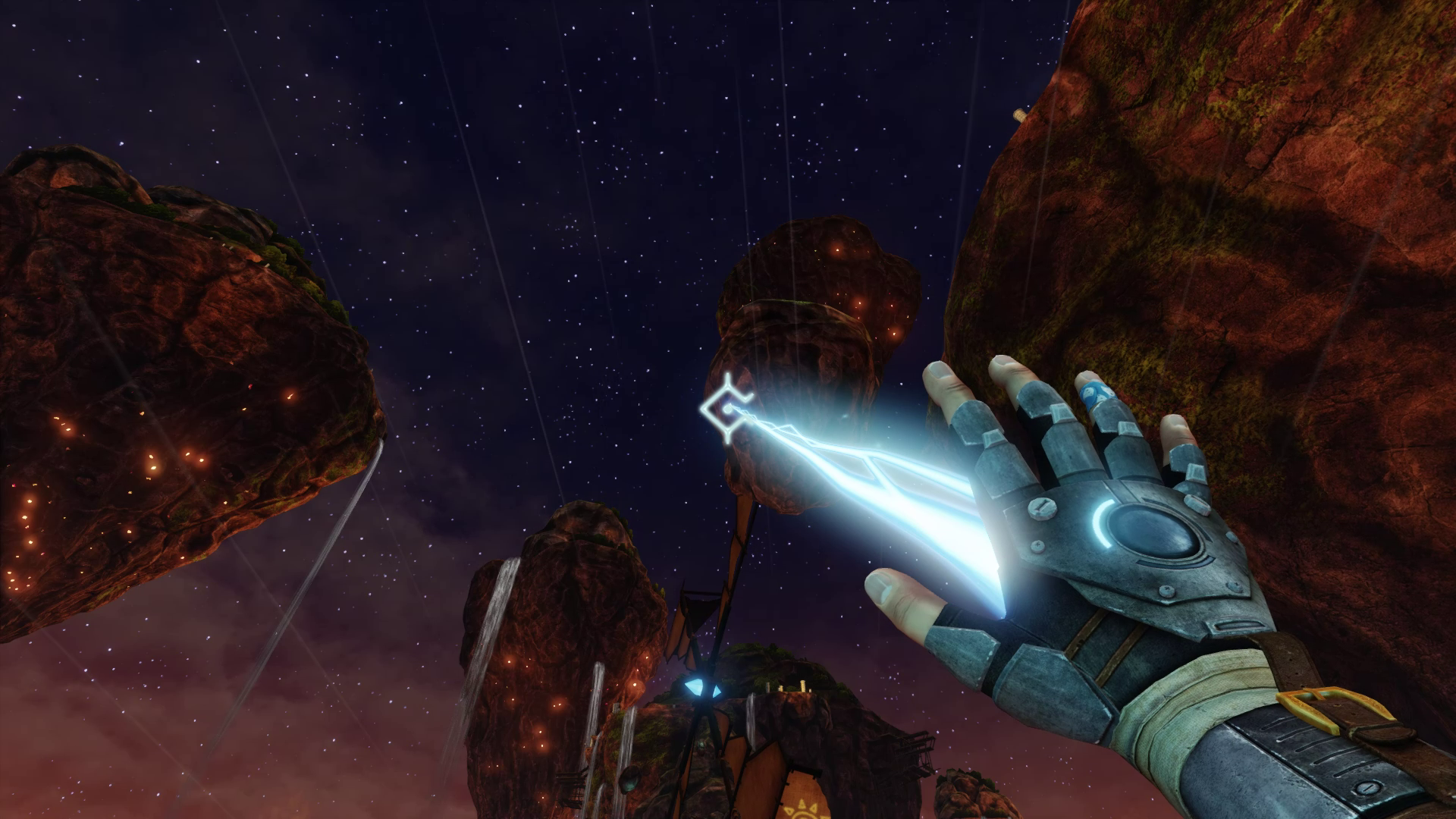
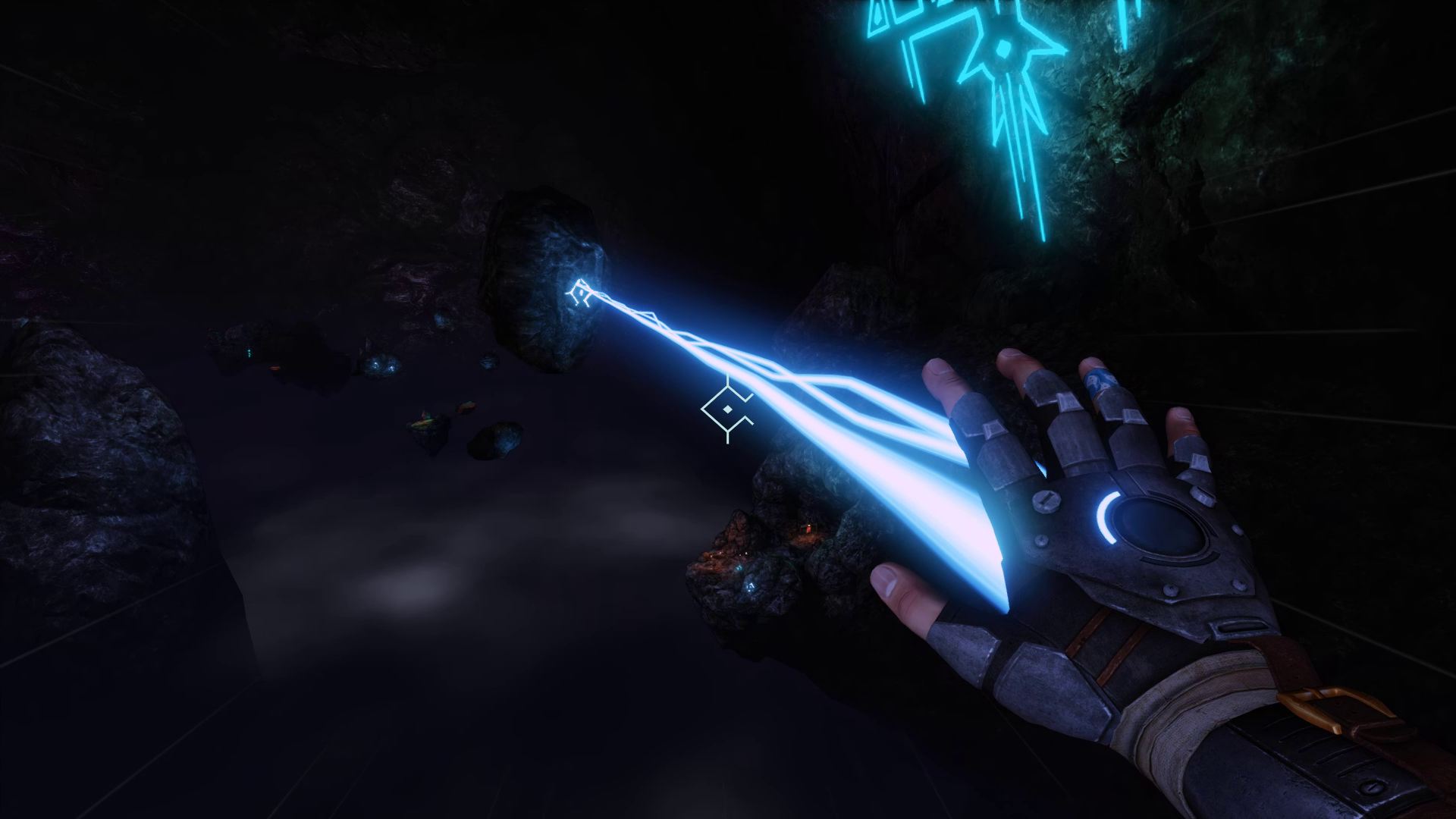
    It’s at this point that the game starts proper, with the suit you have being capable of jumping extremely high, and grappling onto most objects in the environment. You use these abilities to jump from floating island to floating island in pursuit of more of the story. There’s no fall damage or permanent death in ASAMU, but the scarcity of islands to land on certainly makes for a challenging game none-the-less. Despite this simplicity, ASAMU really manages to stand out from the crowd, easily leaving a good impression on me over the course of its 3 hour campaign.

    vlcsnap-2015-12-30-20h56m09s116

    So apart from the jumping mechanic, what makes ASAMU such a good game? Well for one, the story that I spoke of earlier is actually quite enticing, with little snippets of dialogue explaining more of the world around you as and when appropriate being a compliment to an otherwise good plot. The ambition to find your uncle and see what more this world has to offer is as good a reason as any to progress through the story, and it helps that the gameplay really holds up when pushed to it’s limits towards the end of the game.

    The puzzle mechanics of ASAMU are also commendable, with every level being huge in scale, it’s hard to know where to jump and which direction to go in order to make sure you land on the correct platform. Retrying certain jumps in different ways can help to progress, and helps in constantly teaching you new things about the physics in use in ASAMU. you get a real feeling the the more that you play and fail, the more you’re learning, which in turn helps you later on. The game didn’t feel at all boring during the short campaign, with each section amping the difficulty perfectly.

    vlcsnap-2015-12-30-20h55m43s381

    There are flaws in the game’s campaign – a section towards the end of the game in some caverns comes to mind – where the 3-grapple limit really starts to grind at your patience rather than actually being a good game mechanic set to challenge you. There are ways around this 3-grapple limit BUT at times they really don’t work as intended, meaning you’ll end up dying far too many times; a huge deterrent that almost got me to walk away from the game in its final moments.

    Another flaw is the lack of progress on ideas that are brought in, but quickly discarded whilst on your voyage through the world. Half way through the campaign for example there’s an eye monster that you must avoid by not moving when it’s eye is open. This part of the campaign felt brilliant for what was possible in future encounters; maybe there’ll be one boss I’ll need to kill by jumping between spikes on a ceiling that fall? I thought to myself once this area was done. Unfortunately, nothing ever come of this encounter, with nothing like it appearing again. This isn’t necessarily a scathing brush against the developers; I enjoyed the eye monster encounter, I just wish there were more encounters like it.

    vlcsnap-2015-12-30-20h56m31s631

    Overall, I’m glad I finally got around to playing ASAMU. It’s a genuinely good platformer that has a great deal of replayability, especially in it’s time trial mode and in the amount of collectibles that are hidden throughout the campaign. Did it deserve the amount of hype my brother lauded it with? Maybe not, but its certainly a game that deserved way more attention than it initially received, a shame for such a solid game with a great core premise.

    3/5
  • Weekly Gaming: Zombie Panic in Wonderland DX (3DS)

    Weekly Gaming: Zombie Panic in Wonderland DX (3DS)

    large

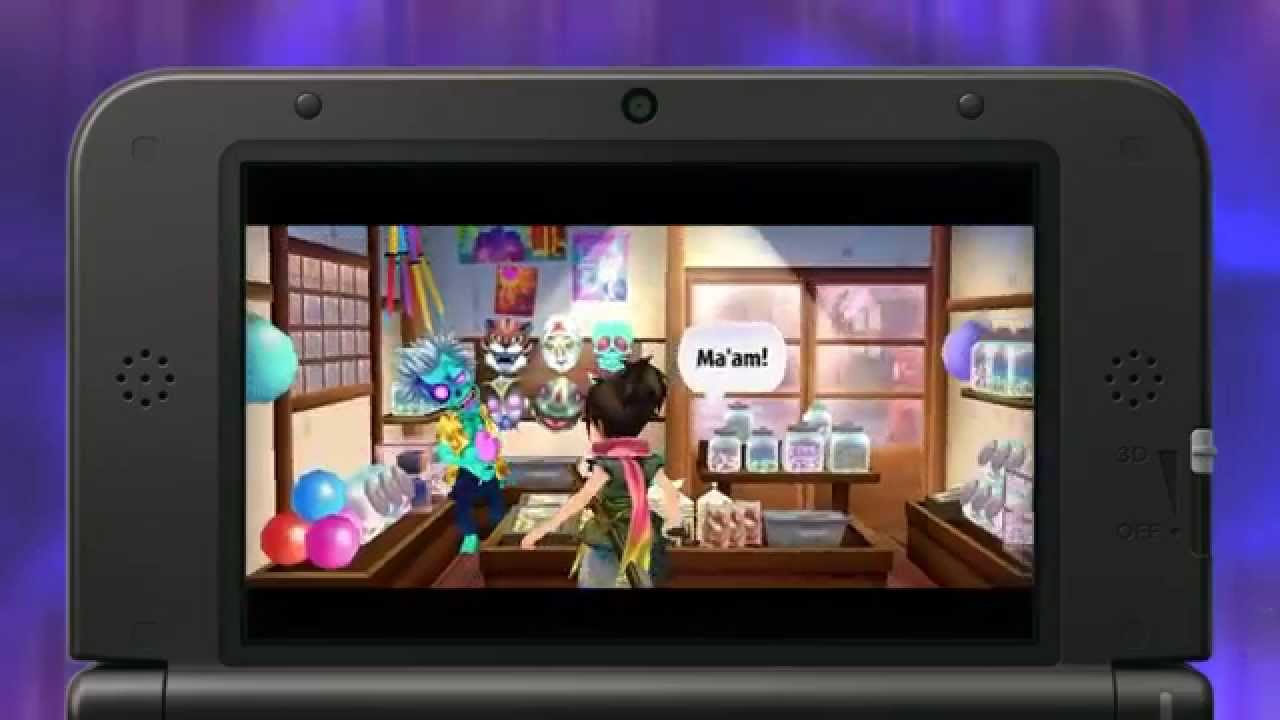
    Having recently purchased a NEW 3DS Xl, I decided I needed a few more digital games on the system to entertain me during my downtime between writing and programming, so jumped onto the Nintendo store to find what was on offer. Lo and behold, quite a lot actually, with Zombie Panic in Wonderland DX actually peeking my interest the most, I proceeded to download it ASAP and set about completing it.

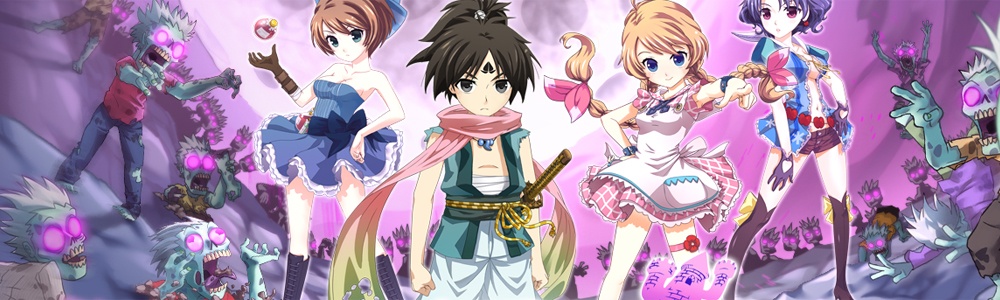
    Let me start by saying: Zombie Panic in Wonderland DX is not a simple game. The controls are simple, but my god is the game difficult. It’s a arcade shooting affair where your character stands at the back of the stage and shoots wherever you put your stylus on the bottom screen. Whilst it starts off easy, it soon becomes nigh on impossible when every enemy is shooting projectiles whilst being so far away that you can’t accurately hit them. To add to the challenge, you also only get 1 hit point per continue, with extra health coming randomly through destroying the scenery around the zombies themselves in the background. There’s also no save games, and after 5 continues, that’s it, you need to start the game from scratch. I’m surprised I finished the game to be honest, with a quick Google telling me that this is a remake that originally come out for the Wii, it doesn’t surprise me that they upped the difficulty to keep veterans entertained.

    tumblr_inline_negqaarrfP1spwxuw

    Don’t let the difficulty put you off the game though, with interesting themes and a multitude of different levels, I was kept entertained for a long while, and enjoyed the diversity of scenes on display. For a standard shooting zombie game, it’s strange to see such a variety of different levels and enemies to take on; from caterpillars in the world of Alice in wonderland, to the fantastic skeleton archers in the medieval period (where snow white is introduced), every enemy and asset looks lovingly created, despite only being on the screen for a few moments before you blow it up. This also goes for all of the characters you meet during the campaigns limited story-telling: each cutscene is cute and has it’s own take on familiar fairy tales that’s sure to delight, and left me smiling during some of the latter scenes in the game.

    The enemies are easy to kill, but varied, and in such a large number that there are many times during the campaign that you may feel overwhelmed with how much is coming towards you. I died and had to start from scratch multiple times, a nuisance, but one that speaks volumes about the difficulty of the game. The vast majority of them will simply walk towards you, with a few shots to their head killing them on the spot, with others taking their place before long.

    maxresdefault

    One nice addition which soon upped the ante and made the game more enjoyable once every few levels were the bosses, who were hugely details and had nice attack patterns that had to be learnt quickly (for fear of seeing the Game Over screen far too soon). Each boss took on the perspective look/visuals of the levels they proceeded, with my favourite easily being the queen of cards from Alice in Wonderland; her first attack patterns were easy, but before long she became something of a dominatrix, and proceeded to dance in her underwear whilst attacking me. It was hugely enjoyable, and certainly unexpected; a nice surprise at a time I died multiple times.

    Along with the campaign mode there is a normal arcade mode, where no story happens, but you’re able to choose whichever character you unlocked during the main campaign. I found this mode enjoyable, but altogether not as entertaining as the main campaign where the characters and enemies really shine in their environments. Also, scores don’t really mean much when you can’t compare your scores on the games you play with your friends! (Nintendo really are behind in this regard – the sooner I can play games and compare my score against my friends within the game itself the better).

    For the couple of quid I paid for the game in the Nintendo Store, Zombie Panic in Wonderland DX has certainly earned it’s money and time I’ve invested and then some. It may not be to everyones liking (nothing ever is), but the simple controls paired with the horribly difficult gameplay, and lush environments had me enjoying every minute I put into the game. There’s a few niggles in the games transition from a TV to a small screen (enemies in the distance are seriously impossible to hit), but overall these niggles don’t detract too much from how much pleasure I got from the rest of the game. Should you find Zombie Panic in Wonderland DX for sale again anytime soon, I’d hugely recommend getting it, you shouldn’t be disappointed.

    3/5

  • Weekly Gaming: Super Smash Bros for 3DS

    Weekly Gaming: Super Smash Bros for 3DS

    I’ve always loved Super Smash Bros, ever since me and my brothers got it one christmas as children and played it non-stop, it’s always had a special place in my heart. The game took a while to get used to, but being a kid didn’t stop me and my siblings, as we soldiered on until we smashed the hell out of each other. It wasn’t until many years later, when Smash Bros Brawl came out on the gamecube that I realised how fond I was of the series, with myself playing it with friends and family during my teenage years, and easily into university with some of my best friends on their Wii. It’s a fantastic series, one that brings people together, no matter what their skill range may be. So with all this in mind, what do I think of Nintendo’s latest brawler? It’s bloody fantastic.

    FCUKT HE CELL SHADINGGGGGG
    The character models on the 3DS version have a cel-shaded look with the reason being the small size of the 3DS’ screen. Despite this new style, Smash Bros still manages to look fantastic.

    The first thing I done when I received the game was took it around my families house and proceeded to battle for hours on end. Having not played Smash Bros in years, I lost, time and time again, but this didn’t deter me, as I continuing honing my skill with bowser and dr mario and continued to smash people out of the stage. It’s one of the fantastic things about smash bros that hasn’t been lost with all these years: the games fun no matter what your skill level may be. Items on the stage help to even the playing field, with my youngest sister easily smashing us off the stage when a lucky hammer would come her way. Suffice to say, the multiplayer is just as fun as ever, and reason enough to get Super Smash Bros Brawl on either 3DS or Wii U.

    So what of the single player? Well there’s plenty to do, with myself spending most of my time in the classic mode, where you must go from one stage to another fighting variations of characters as you go. The difference with Smash Bros for 3DS is the fact that you can choose your path, with some paths being harder than others but netting higher rewards. Next up is the Smash run: a mode where you run across a stage as fast as possible all whilst killing as many enemies to collect their stat bonuses. Once the timer is over, you then proceed to battle it out with CPU controlled enemies on a normal brawl level but with different abilities from the stats you collected. it’s a fun mode to play in short bursts, and one that certainly helps in unlocking all the characters available this time round.

    FUCK THE FAVOURITE CHARACTERSSSSS
    Whilst there’s a great deal of characters on display here, most players will end up going back to their favourite before long.

    Whilst on the subject of characters, how do the new additions hold up I hear you ask? Well for the most part, pretty well. The Villager from Animal crossing is overpowered to hell, but otherwise additions like Pacman and little mac are a standard affair of learning what abilities they have on the B button, and proceeding to master when to use said abilities. As much as I just dismissed little Mac, he’s actually got one of the best line up of moves compared to the whole roster. He’s fast and light, and whilst he can’t jump, he’s bloody powerful, making for a very worth opponent. Despite all these new additions though, I couldn’t help but fall back to tried and tested characters like Bowser and Doctor Mario; my favourite characters because one is fast and all around great (Dr Mario), with the other being just massively strong and an outright monster to budge.

    For all of my positives about the game, I only have one glaring negative: Smash Bros for 3DS doesn’t innovate on the smash bros formula in any noticeable way. Don’t get me wrong, the game is extremely polished, to the point I don’t think I could find a sharp edge on it even if I tried, but in playing it safe, Nintendo also made the game boring for me far faster than it typically should. The rise of DLC characters has kept my interest peaking back here and there, but I can’t help but feel Nintendo played it far too safely, and could have come up with some new modes that really mixed the formula up in new and interesting ways.

    bottom_screen_super_smash_bros_3ds
    Whilst the top screen is where all the action happens, it feels like Nintendo could have made better use of the bottom screen.

    So should you own Super Smash Bros for 3DS (or Wii U)? Well, it depends how many friends you have or how much you like fighting. Playing with my family like good old times was great, but I got bored quickly when I wasn’t playing with others. If you’re a loner for most of the time like me, you may not find great value in the game, despite how great and polished it is. If your answer is that yes, you’re a social butterfly, then seriously, you cannot find a better party game than Smash Bros right now.

    4/5

  • Weekly Gaming: Mario Party: Island Tour (3DS)

    Weekly Gaming: Mario Party: Island Tour (3DS)

    I have fond memories of Mario Party; me and my family would play it loads as a child. I remember the painful blisters we would all get after stupid mini games forced us to out-do each other on the N64, and I also remember finding that an electric toothbrush was the best way to press A as fast as possible on the controllers. So with Nintendo doing a Nintendo Classics line on the 3DS, I thought, what better way to spend the last of the year then renewing this love for the game with my partner? Well, my presumptions were far from true, which was annoying considering I had mistakenly purchased two copies in the hopes we could play together.

    FUCK THE RACINGGGG
    Looks like a board game from yesteryear, but beneath it all Mario Party is just a race to the finish, and a frustrating one at that.

    So first things first, why was I mistaken? Well Mario Party’s of yesteryear was a board game affair. Players would take turns rolling a dice, landing on special places, and playing mini-games to help them progress around the board. Whoever had the most stars at the end of the game won, with everything in the game helping you progress towards getting as many stars as possible. It was fun and addictive, down right competitive even.

    Not so anymore with Mario Party Island tour. Whilst the “boards” still exist, they’re a one way street, with no repeating or challenge involved in collecting the most of something. This is a purely racing affair, with the player reaching the finish line first taking all, leaving everybody else in last place. whilst this may be to some peoples taste, it left a bad taste in my mouth when I was unlucky with my dice roles and ended up finishing a game at space 20 when everyone else was at space 50. It didn’t matter how well I played the mini-games (I won all of them), I still lost.

    I’m not delusional; previous Mario Party games also had a lick of luck involved in winning a game, but at least there was skill involved too. You could nick players coins, preventing them from buying the game winning stars, or even outrightly turns the tables on someones fortunes should you win a mini game. Not so with Mario Party Island Tour, which has taken the most frustrating parts of any Mario Party formula and put them all into this one product.

    FUCK THE MINIGAMESSSS
    Whilst I’m annoyed at the “board game” aspect of Mario Party, the mini games are just as addictive as always

    Why was I annoyed I purchased the game twice? Well 3DS games usually contain download play; a way for up to 4 people to play one game with one cartridge. These titles usually also have the added benefit that should the other players own the same game, more options will be made available. Not so for Mario Party Island Tour, where doing download play allows you to access the full game. I sound annoyed, mainly because I waster money, but this is actually a fantastic addition to the game, and one Nintendo should advertise more.

    So what good is there about the game? Well for one, the mini-games are just as addictive and fun as they always were. There’s a huge variety on display here, with them all taking advantage of the 3DS’ unique feature set, such as it’s gyroscope, touch screen, or even the microphone. In the 5 hours I’ve put into the game, I’ve rarely come across the same mini-games twice in a row, a brilliant play on Nintendo’s part calling to the amount of content available.

    Along with the traditional “board” games, Nintendo has actually filled the game out plenty. You can choose to play the mini-games by themselves should you wish to practice and improve yourself, or play against the CPU on a hot air balloon mode where you must win as many mini games as possible. There’s also time trial mode, and another mode titled “Bowsers Tower”, which is more like the games actual campaign/story mode, with bosses and mini-games you wouldn’t find in the main game.

    So for £13, Mario Party: Island tour is actually a bargain for the amount of content it squeezes in, it’s just a shame that the main thing that got me interested in the games in the first place (the board game) is gone, with it’s replacement being a mere shadow to the brilliantness that came before it. By all means buy Mario Party: Island Tour since it’s now on offer; it’s great fun with friends, and is cheap; just be prepared to get very annoyed very fast when the games decides to give you shit for no reason.

    3/5

  • Weekly Gaming: Super Toy Cars (Xbox One)

    Weekly Gaming: Super Toy Cars (Xbox One)

    stc-cover

    Please note that whilst I know the developers of Super Toys Cars (Eclipse Games) I will try my best to provide a review as unbiased as possible. 

    Super Toy Cars has been out for a long time, but with its recent release on the Xbox One, Eclipse Games sent me a review copy to have a bash at. Over the course of 6 hours I bumped and bashed my way through all 48 levels, getting 575 gamerscore in the process, so I’m pretty qualified to give my opinion on the game.

    If you wanted an example of what Super Toy Cars resembles it’s Micro Machines grown up. You play as a tiny car racing against 7 other cars (of varying makes and models) and proceed to race around tracks that are made of all the small things a child would have access to (cereal boxes, sweets, games etc). There’s many modes to differentiate the gameplay, with an elimination round easily being my favourite (every 20 seconds whoever’s in last place is thrown out of the game). The graphics is fairly cool for a small team working across continents (seriously, they don’t work together and instead work over skype), and the music is repetitive, but awesome at times (cannot stop singing two of the songs to myself all the time). Whilst on paper that all sounds awesome and dandy, Super Toy Cars just can’t help but feel…. clunky.

    FUCK THE CARSSSSS
    Cars are varied, but clunky in the way they feel across tracks. At least there’s plenty of variety when it comes to the look of them.

    It’s not a word I use very often to describe things, but clunky is exactly the word I’m going to use to perfectly summarise Eclipse Games’ Super Toy Cars. It has plenty of cars, and plenty of stages, but the whole thing comes across as unpolished. I found myself being driven insane far too often at clunky controls, clunky physics, and damn right annoying AI.

    The drift mechanic for example is used in most games to encourage more skilled players to use it more often, helping them build up boosts to then beat a level faster. In Super Toy Cars it only serves to impede you, annoyingly slowing you down to the point it was never worth my time drifting around corners, and simply braking instead. Not great for a competitive game when the best way to win is to have the fastest car and to simply brake around corners.

    Stages are nice in variety, but have weird collision glitches all over the place, with walls colliding strangely (sometimes you’ll just drive through cereal boxes and other times you’ll flip hundreds of times), and floors causing slow downs at random times. This doesn’t play nicely with the game’s automatic restart feature, which respawns your car should it detect you’ve collided pretty badly with the scenery or you’re driving the wrong way (being in first for a lot of the race then losing because you respawned whilst driving on a straight road is never a nice feeling).

    FUCK THE GRAPHICSSSSS
    For an indie game from a small studios, Super Toy Cars really does a good job of looking fantastic.

    For all of it’s faults I did find that Super Toy Cars became a lot more enjoyable towards the end when I had the fastest car available, allowing me to bypass most bugs and “clunkiness” through sheer speed alone. Not a great way to explain how I eventually enjoyed a game, but a fitting sentence all the same. If only the rest of the game was like the final 2 hours…

    So, for all its faults, should you own Super Toy Cars? If you fancy helping out an indie developer and having a semi-enjoyable few hours on the game (with awesome, quick achievements), then by all means pay the price for admission. If on the other hand you’re quick to anger and don’t like bugs in your games (who does), then it might be worth skipping Super Toy Cars for now. For a first game, Eclipse Studios should be happy with themselves, but that doesn’t stop Super Toy Cars from being Clunky with a capital C.

    2/5