Tag: PC

  • Gaming Week 43: Pressure (PC)

    Gaming Week 43: Pressure (PC)

    FUCK THE PRESSUREEEE
    I think this main menu sums up the mindless fun that Pressure ensures.

    Looking through my games library for things to play for this weeks review, I stumbled upon a game I have no recollection of purchasing: Pressure. Intrigued, I went online and instantly searched for a gameplay video, to see what the game was about. Needless to say, I enjoyed what I had seen and proceeded to instantly download the title and start playing.

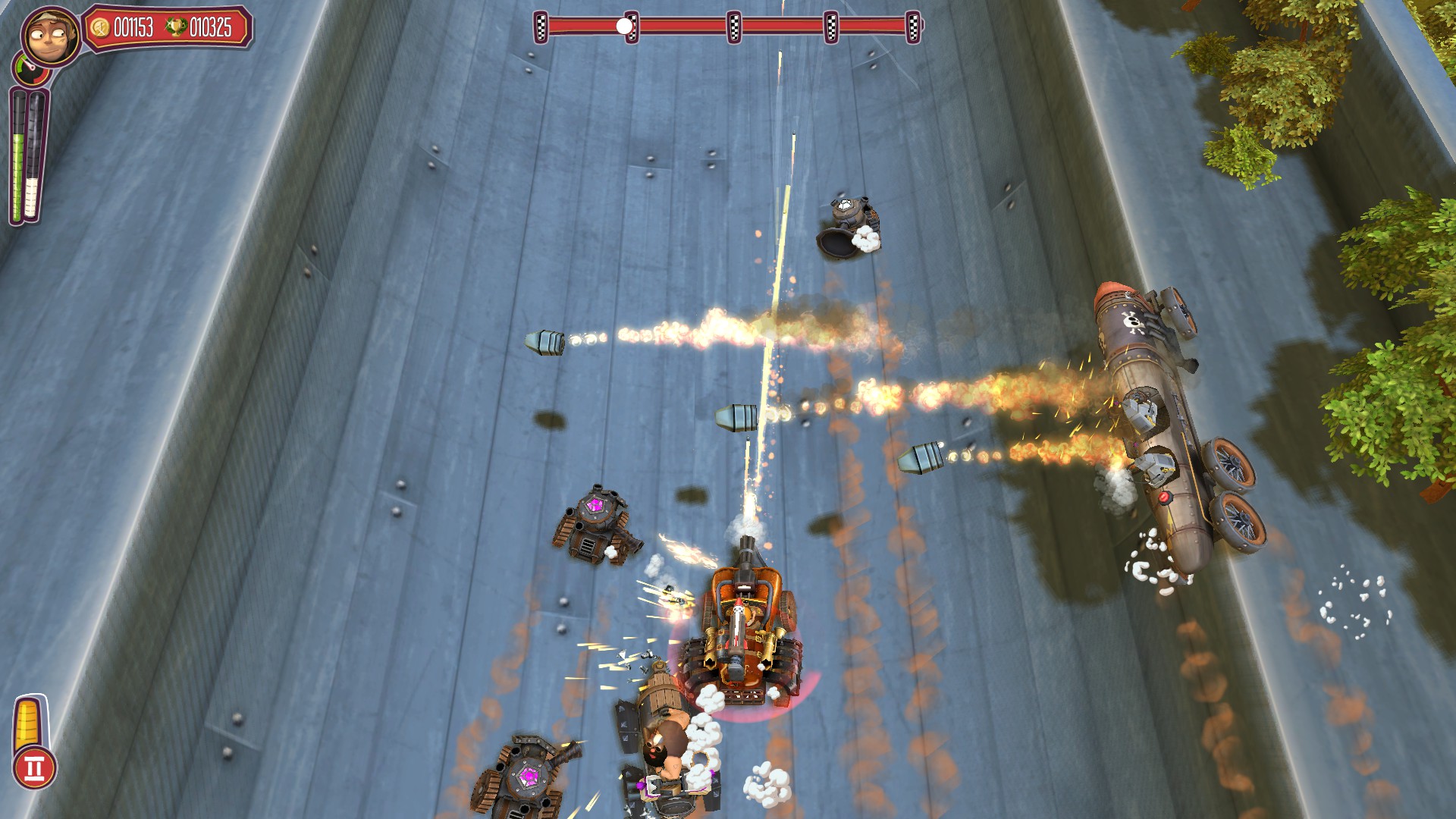
    Pressure is a top down driving shooter that doesn’t push any boundaries when it comes to reinventing the genre, but does make itself stand out with its fantastic design and art style. You control a car as you race through 30 different levels and 3 bosses, killing as many enemies as possible whilst also trying to race to the end of the level as fast as possible. You have 2 bars that track your progress through a level, your health and your pressure. Health is pretty self explanatory, where as pressure is what’s needed to get your car going through to the end of the level. Enemies will try and steal it, and will drop tubes of it whenever you kill them. It’s a nice system that rewards a player for doing what the game wants you to do, and if you choose to just race, you’re gonna have a hard time getting to the end.

    FUCK THE GRAPHICSSSS
    Graphics are charming and lovely, making for a Pixar-like take on an otherwise familiar genre.

    Pressure looks and feels like a Pixar film, something I say with high regard for the art style of the game. It has cute little cutscenes which will be shown to progress the story, which are so high in quality you could indeed mistake it for a pixar film. They have some humour, which is always welcome in games. The art style is so polished and lovely, that every aspect of the game, from menus to upgrading your car, all the way to the gameplay itself is dealt with such charm that it’s impressive.  Levels change as you progress through the story, from forest and fields to caves and castles, the levels show enough progression that you don’t get bored of seeing the same scenery for every stage, that is, they progress with the story.

    Levels are designed in a way that there’s no way to really go wrong, which isn’t necessarily a bad thing, but Pressure could of come up with more diversity in the way levels are played out. Secret paths or different routes would have done wonders to the games ability to be played multiple times, but what we’re left with is a seemingly linear experience with no diversity.

    FUCK THE WEAPONSSSS
    The controls for moving around is simple enough, with the Right Trigger on my Xbox Controller acting as Accellerator, the A button for firing your primary weapon, X for boosting, and B for your secondary weapon.

    The gameplay looks the part, but controlling your car can occasionally feel very “airy”, by which I mean that your car doesn’t feel heavy and can be chucked around the stage when hit by an enemy. It makes controlling your car difficult with many enemies on screen, especially when you’re trying to race to the end of the level as fast as possible. Apart from the airiness of your car when hit, the car feels good to handle, and its rare you’ll hit the sides of the stage, even with the camera changes. As a whole, the controls were enjoyable, if not a bit irritating at times.
    FUCK THE ENEMIESSSS
    Enemies are varied enough to keep a level challenging and engaging, without outstaying their welcome. Killing them is essential for gaining pressure to finish the level.

    Your vehicle consists of 4 main parts: the shell, the primary weapon, the secondary weapon, the ram and the buggy upgrades.  Depending on how well you do in a level, you get an appropriate amount of coins to spend on upgrades for your car. These can range from a new shell that’ll help you boost longer and increase your health, to a new weapon that fires mortar rounds. These vary up the gameplay, and can be sold as and when you’d like, allowing for some flexibility in how you take on the certain enemies that appear in certain areas. I found that saving up my money and buying the most expensive weapon and secondary weapon was worthwhile, as every enemy died in one hit from then on, allowing me to only worry about aiming, and not enemy management.

    Overall, Pressure was a throughly enjoyable game that I had no idea existed. It’s a short ride (3-4 hours max), but that’s just about the right amount of time you’d probably play the campaign before getting bored or annoyed at the mechanics. I’m surprised how much fun I had playing Pressure, and I hugely recommend you play it too.

    3/5

    P.S. A Quick Look of Pressure can be found below:
  • Gaming Week 41: Fotonica (PC/Mac)

    Gaming Week 41: Fotonica (PC/Mac)

    FUCK THE VERTICES
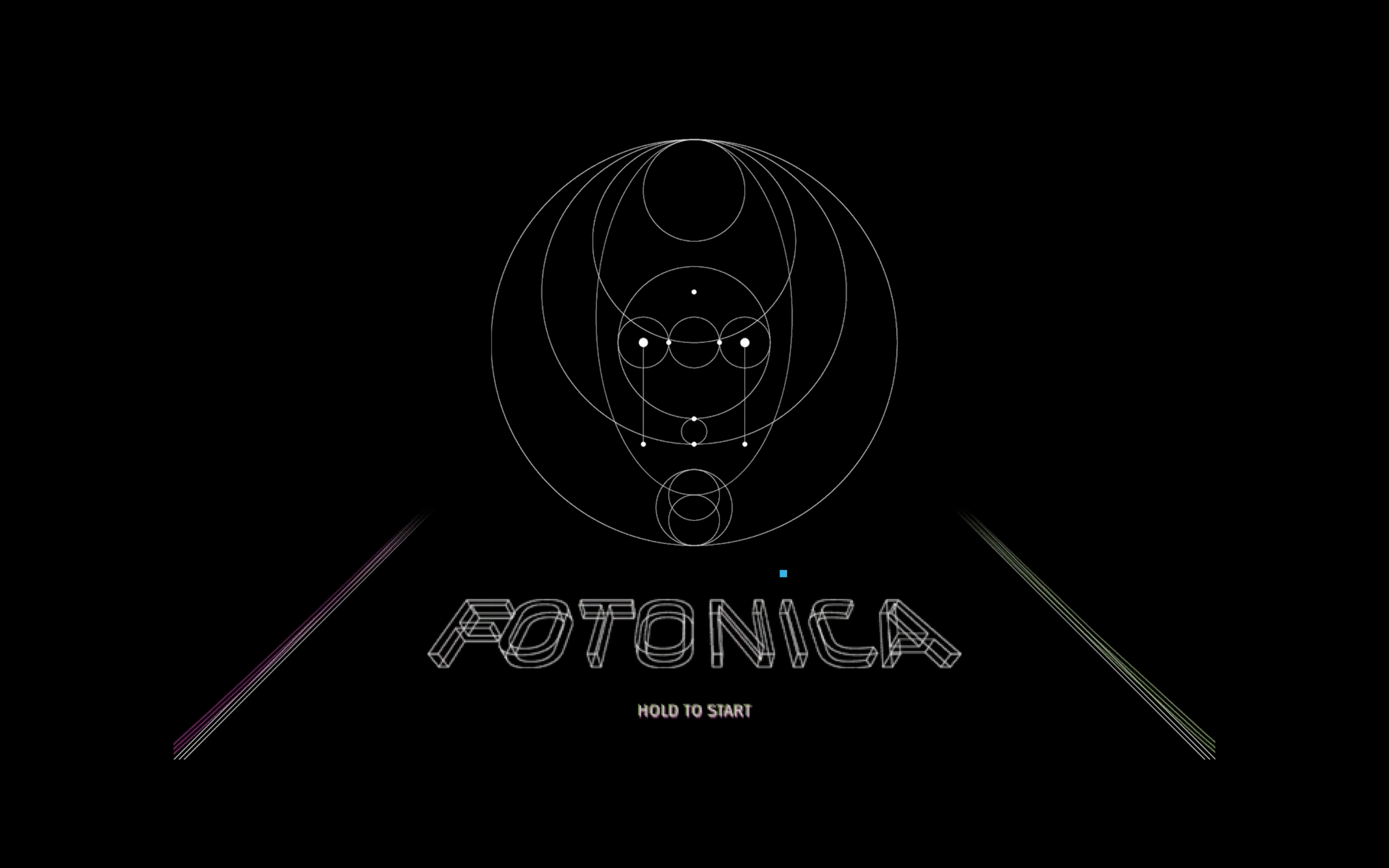
    The simple graphics really work in Fotonica’s favour, giving a striking look to an otherwise familiar genre.

    I stumbled upon Fotonica whilst browsing notonsteam.com, a website committed to popularising indie games that deserve recognition, but aren’t getting said recognition due to their inability to get on Steam. Fotonica stood out to me, with it’s sharp graphics and weird name, I decided to take the plunge and paid the developers the whole $2.99 they were asking for (It’s on sale at 50% off right now). All I can say is: I’m certainly glad I took the plunge.

    FUCK THE TERRAINNNN
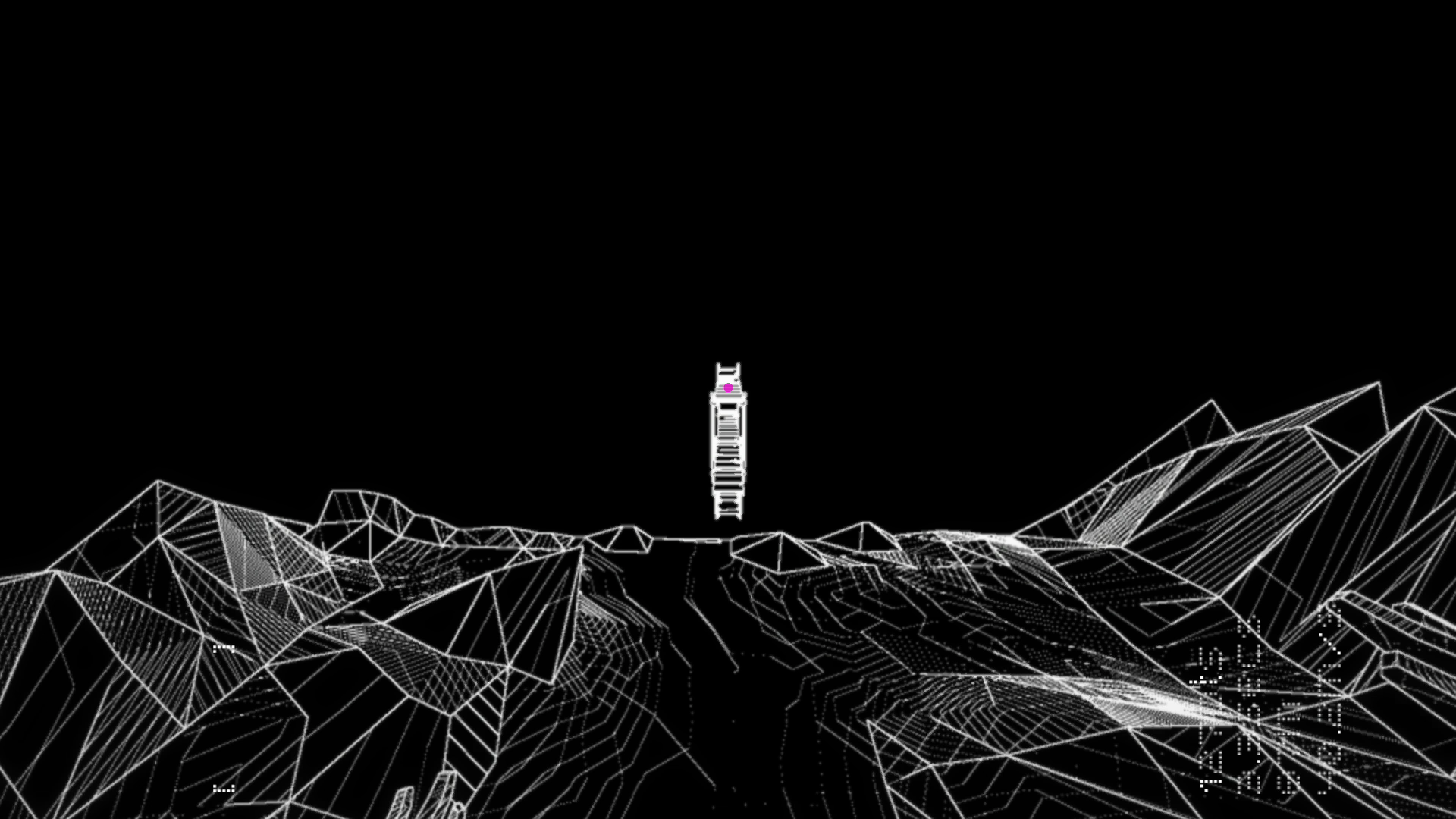
    Terrains are different for each level, giving variety in an otherwise unoriginal game. This level composes of bridges and landscapes that get generated as your run further and further.

    The mechanics of Fotonica are simple enough, it’s an endless runner game that gives you the task of surviving for as long as possible by jumping over gaps between platforms. You’ll pick up the controls in no time, and from there on out its a case of learning the levels to make sure you get as many points as possible in your run up to the end of a level.

    Each level is different and unique in style, from bridges to landscapes, the vector based graphics don’t let up, allowing for some variety in an otherwise simple and repetitive game. Graphics settings can be changed from the options, letting you choose from vector graphics or filled in graphics. (an example of filled in graphics can be seen below)

    FUCK THE ARMSSSSS
    The arms/hands are a nice touch, giving you a sense of perspective as to where your character is and the speed they’re going as the arms flail faster and faster.

    Fotonica has 4 individual levels, each with it’s own aesthetic, as well as a Endless mode. Each level tracks your highest score, and is posted to the games built in leaderboards. If Fotonica ever comes to Steam, this will improve dramatically with more stages, more endless modes, and a steam friends list integration. For the moment, achieving a high score doesn’t mean much, this is through no fault of the leaderboards though, and is more a reflection on how limited you are in the level designs. There are rarely more than 3 routes you could chose from, and it feels like once you’ve got one route nailed down, there’s no need to choose another. If the developer was to do a  weekly challenge with different levels/objectives, this may make the game more competitive, allowing for great replayability – something the game seems to be lacking at the moment.

    FUCKKKK THE GOLLDDDD
    As you approach your fastest speed, the graphics change to gold, which gives you more score in the final tally of your points. It’s a nice visual change that ties closely to the mechanics of the game, allowing you to know when you’re doing the right thing without looking at some text.

    Fotonica is currently waiting to be Steam Green-lit, and I feel it could definitely use your support. The gameplay is solid, and the visual aesthetic is fairly unique in this genre of games. Being green-lit would allow the developer to add the following extras to the game:

    • 2 Completely New Levels! with new awesome electornica music and new scenery!
    • 2 New Endless levels with different aesthetics and music and play styles
    • 2 Difficulty settings to let you play an even faster version of Fotonica
    • 4 new 2-player levels
    • 10 New Achievements!
    • New options to customize your soundtrack, the position of the camera and more.

    Which in my book, sounds pretty awesome. Fotonica is already a fantastic concept in its own right, but with support from the community and a reason for the developers to work on it more, it could grow into something amazing.

    4/5

    p.s. My quick look of Fotonica can be found below:
  • Gaming Week 37: Game Dev Tycoon

    Gaming Week 37: Game Dev Tycoon

    FUCK THE SCREEENSSS
    The title screen updates to include your company name after playing the game once, giving a nice touch to an otherwise boring screen.

    Game Dev Tycoon has been out for a while, but it only came out on Steam on August 29th, meaning it now has full Steam integration. Achievements, steam in-game layout, means that the popular game for pirates has now become a official down to earth proper game. I’ve been looking forward to this version of the game for a while, and finally getting it on release day I spent the next 2 days playing 8 hours of the game.

    Game Dev Tycoon gives you control of a lone man who must make games for a living from his garage to start becoming a major part of the games industry. As you make more and more games, you can start renting out bigger buildings and more employees, which in turn makes bigger and better games for reviewers to give great reviews. It’s an endless cycle, one which’ll span 35 years of the industry, and will start with the G64 (the games name for the Commodore 64) and will end with the Xbox Next. You develop games by clicking anywhere on the screen to start a new project, this gives you a number of boxes to choose from which help you decide on what game you’d like to make (including the ability to name your title). Once you’ve decided on the game you’re going to make, your person starts getting to work on creating 4 different points that go towards to quality of the game: Bugs, Design, Technology and research. Generating these points to create the game takes approximately 2 months, in which time you’ll lose monthly costs (making your available cash drain all the time) and be given the choice on what parts of your game you wish to concentrate on. (e.g. do you want to invest more time into the development of the engine or the story? This choice differs for each game, and is completely up to you how you micro-manage employees time effectively.) Once you game is complete, publications review your game, and then it goes up for sale on the market, giving you the income needed to start work on your next game. It’s a neat little system that constantly keeps you entertained, ensuring that you don’t go a few seconds without having to manage a component of your company.

    FUCK THE PONGGGGSSS
    You begin Game Dev Tycoon in your garage, toiling away for hours at new and exciting game ideas until you one day get enough money to move into a proper office.

    Game Dev Tycoon’s use of real world brands is fantastically comical, including the history of the products themselves. Due to copyright laws, Green Heart Games couldn’t use the exact names of consoles and companies, so chose to be creative with their terminology. Nintendo is Ninvento, Sony is Vonny, and Microsoft is Micronoft. It’s funny a funny look at the industry, and helps to put our industry in perspective as a strange and wonderful place. What also helps to fill Game Dev Tycoon with joy and glee is the offices you inhabit, each having little easter eggs or memorabilia that will certainly make any fan of the gaming industry squeal with joy. It all gives Game Dev Tycoon a certain charm that resonates throughout most of the game, a parody of real life, but a loving one.

    FUCK ALL THE GAMMESSSS
    This is the closest I’ve ever gotten to a perfect game. It’s a shame “All Games” is such a judgemental publication.

    Game Dev Tycoon isn’t without its flaws, especially when it comes down to what games you should make. You’d think that making your own Game studio in a alternate universe would allow you to make whatever game you please, this is definitely not the case. Take for example if you wanted to make a turn based superhero game, you’d think that given enough resources and points in the right direction, this game would be successful with the market? Nope, Game Dev Tycoon ensures you stay within the confines of what happened in the real world in regards to games that were successful. The only way I was able to reach the end game was to have prior knowledge of the games that have been successful in the last few years, so a military action game aimed at the mature market (as close to Call of Duty as I could get) would sell a bucketload, but a school strategy game for everyone sells next to nothing. It’s a shame, as it requires prior knowledge of the games industry, and also stops players from experimenting with new types of games, which is never good for a game all about creating new things.

    Overall, Game Dev Tycoon is a fantastic first foray into the games industry for developers Green Heart Games. It’s a game that’s generous on value, and certainly has a lot of replay-ability. If you’re the type of gamer who loves micro-managing strategy games, Game Dev Tycoons for you.

    4/5

  • Gaming Week 33: Torchlight 2 (PC)

    Gaming Week 33: Torchlight 2 (PC)

    FUCK THE SERVERSSS
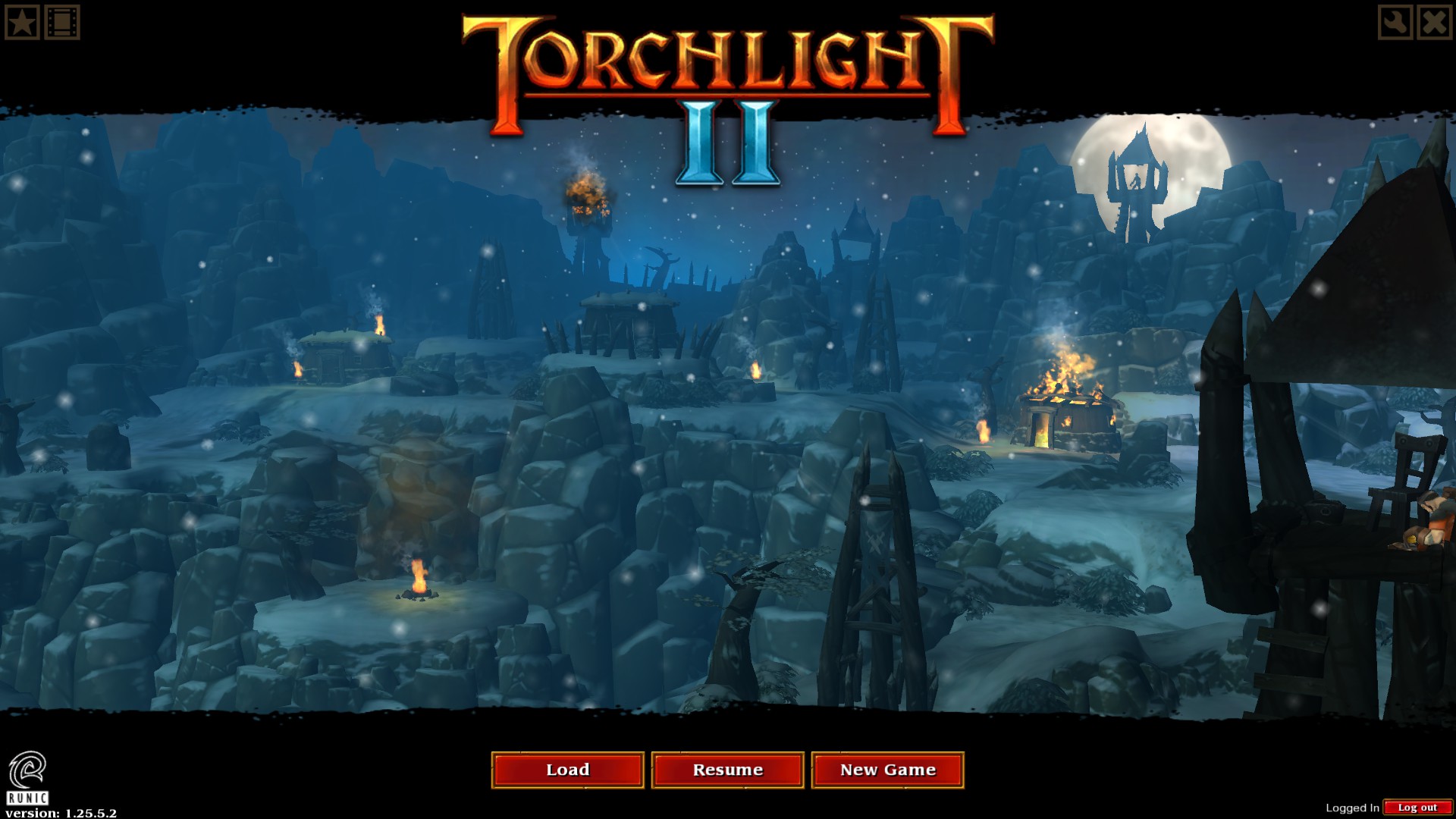
    This is the screen you’re greeted with every time you start up Torchlight 2. You have to log into Runic’s servers in the bottom right corner to play online with others.

    I have fond memories of Torchlight on the 360, but after playing it for 14+ hours and 100% the game, I couldn’t help but feel a little deflated that there wasn’t more. Torchlight 2 came out 6 months after my first review, but due to other games and other things happening in my life, I gave it a pass as I knew I wouldn’t be able to give it the time and attention it deserved. Finally, I got Torchlight 2 for £4.99 when it was on sale in March, but even then I put playing it off until I had someone else to play with. I can safely say, that as of this week, I have played Torchlight 2 from start to finish.

    FUCK THE GIBS
    Battles can get quite intense, making it difficult to see your own player amongst all the fireworks and gibs.

    You start Torchlight 2 as you did the first game: selecting a class and a pet to go on your adventure with. From here, you get introduced to the main narrative that’ll keep you adventuring throughout the campaign, which consists of a very strong, evil Alchemist (the same one you could play as in the first Torchlight) being overwhelmed by the same evil that corrupted the caves under the original town of Torchlight. You start your epic quest just after Torchlight is destroyed, and you must embark on a adventure trying to put a stop to the alchemist as he makes his way across the world disturbing the peace. Not a bad set up by any means, I just wish the cut scenes were better narrated and higher fidelity to properly portray the story, as it stands, the cut scenes feel disconnected to the main campaign.

    One of the biggest differences you’ll find with Torchlight 1 and 2 is the new addition of multiplayer. You can’t miss it, a runic account being the first thing Torchlight 2 asks you to create when you first get into the game, it ensures that all players are able to connect to multiplayer if they so wish. I’d hugely recommend it if you have a internet connection, as without other people, torchlight 2 feels a bit empty and joyless. Levels are huge and vast, with plenty of enemies to take on and kill for all that sweet XP, but without someone to share this XP and experience with, Torchlight 2 feels like a empty shell of a game that could of been so much more. Multiplayer works by wondering the whole world with each other, players are able to go into separate areas, and play the game as if they were alone, with the addition of trading and XP sharing to add (XP sharing only happens if you’re both in the same area, kill enemies in separate areas, and the other player doesn’t get anything.)

    FUCK THE ITEMS
    The fantastic method of storing items with your pet has returned, even allowing you to send them back to town with the junk you want to sell, it was innovative back in Torchlight 1, and it continues to be a fantastic idea in Torchlight 2.

    Item management is still a pleasure in Torchlight 2; It’s very fast and easy to sort through all the junk you get on an adventure, and certainly helps you turn items into gold as and when you’d like. Most items can be worn by all classes, which means its very rare to get items that you can’t use. This feature was great for trading, as I was a berserker, and my brother was a mage, so we traded back and forth with staff’s and melee weapons. I can imagine playing this alone may make item drops a bit more boring, but as a whole, the item system works fantastic for a loot game like Torchlight 2.

    Combat has changed slightly from the old Torchlight 1, with the control system becoming more akin to Diablo than a third person game. This may be in part, due to the fact Torchlight 2 is PC only, requiring a mouse to move your character around, and for every action in the whole game. If needed, you don’t even need to use your keyboard to perform actions; a single click on the bar at the bottom will cast a spell or skill. It’s a small change, and one I’m still not sure I like yet, but is a move in the right direction to becoming less of a action/adventure game and more of a RPG. Combat entails using the mouse to click on anything you want doing: be it clicking on an enemy to continue attacking them, to clicking on loot to pick it all up, its simple, and brings the RPG game back to it’s roots. My berserker character was certainly equipped and ready for what the campaign had in store for him, meaning I only died a handful of times throughout the campaign. Skills were powerful, but not too powerful to break the gameplay, inviting for some creative ways to take on bosses towards the end game. (My favourite ability was to freeze a enemy which would increase my attack on them by 34% for 4 seconds.)

    FUCK THE QUESTSSS
    Quests are narrated, giving a nice feel to Torchlight 2. Most of the story and quests are boring, but for most people, that’s not the reason they’re playing Torchlight 2.

    In conclusion, Torchlight 2 is more of the same, but with elements that have transformed the feel to appeal to a wider audience. Is it worth the £14.99 asking price? My 20 hours of gametime is certainly a testament to how engaging it can truly be, albeit make sure to experience this with friends, playing alone I could only muster an hour or two before getting quite bored.

    3/5

  • Gaming Week 32: Reus (PC)

    Gaming Week 32: Reus (PC)

    FUCK THE GIANTS
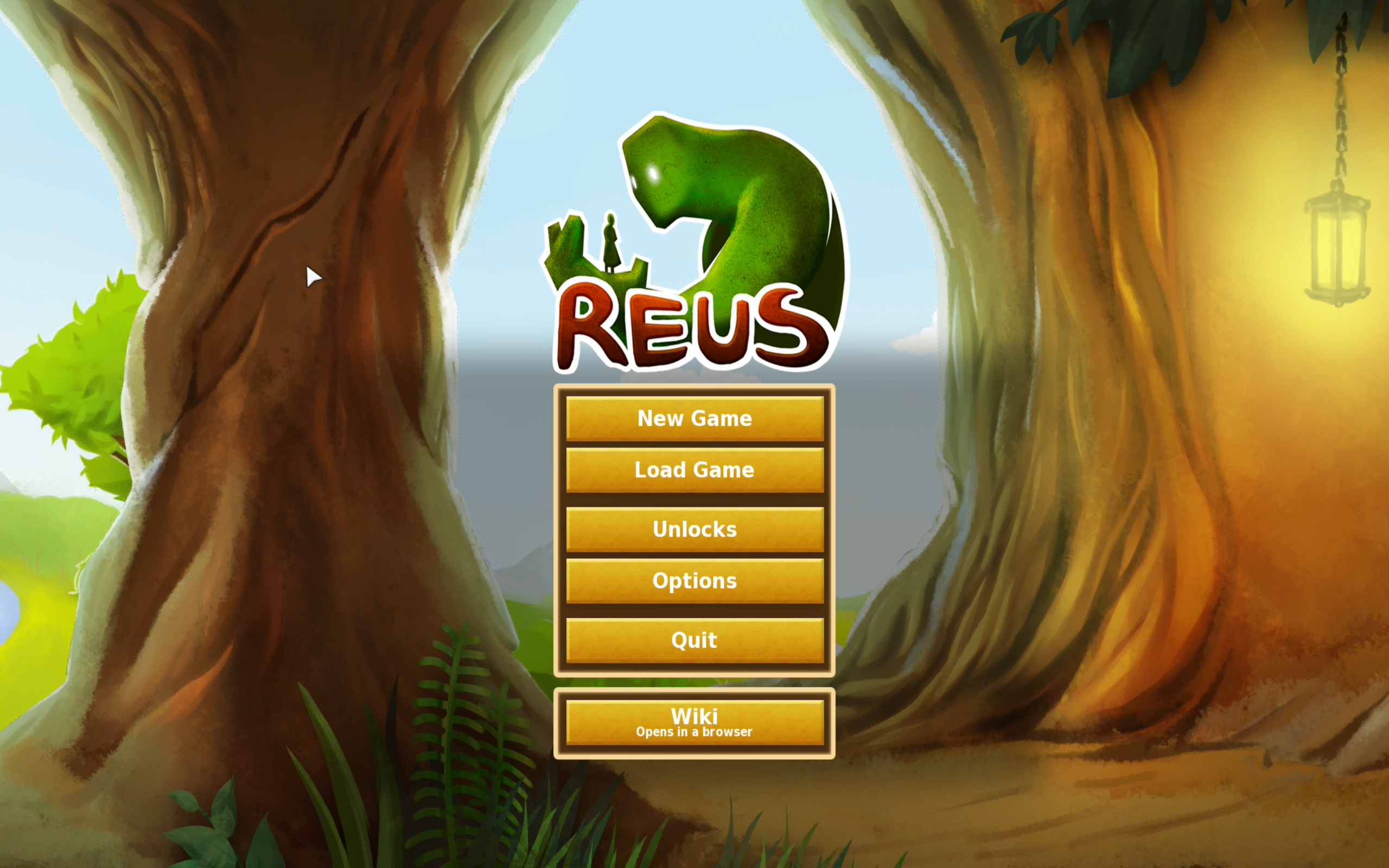
    I think the logo of Reus sums the game up perfectly, with the giant in awe at the human whilst simultaneously caring for him.

    I started Reus with an open mind; I was never into God sims as a kid, and could never get into Black and White, the absolute king of the genre. But something about the promotional material and friends playtime peeked my interest in Reus, and in turn made me give the God Sim genre another go. I’m glad I did.

    You start of Reus with a  few tutorials to get you used to the basics of the game. You control giants which all have special, unique abilities, and you must use these abilities to the benefit of the humans inhabiting your world. There are 4 giants in total, which are as follows: The Ocean giant, swamp giant, rock giant and forest giant. Each of the giants have abilites that are quite self explanatory (£100 to anyone that can guess what each giant specialises in) but also have abilities that compliment and help each other. The ocean giant creates oceans, but is also used to make animals, making sure to not get ignored/sidelined compared to the other giants in the later game, I’d class him as the support character for all other giants. The forest giant on the other hand creates forests and fruit, making him good for food production for civilisations, and very good in the early game. Your challenge is to experiment with each giants abilities and find a solution to the needs of the humans that inhabit your land.

    FUCK THE ROCKKKKK
    The rock giant makes mountains and minerals to increase the wealth and technology of a village. His mines are definitely a harder ability to master than any other.

    Each section of land can have one giants ability in its place, and this is how you make resources for the villages/land throughout the game. Get the forest giant to make fruit on a section, and berries will spawn, providing food in that area surrounding the section of land. Make the Ocean giant place animals next to the berries, and food will significantly grow due to the animals eating the berries.

    The giants of Reus aren’t just static objects that occasionally make land, far from it. In fact, as the era progresses, you will fulfil more and more human requests, giving you ambassadors to collect and use. A human ambassador helps out a giant by augmenting their powers, enabling a giant have more abilities to help the humans on the land. For example, giving the forest ambassador (achieved by fulfilling a forest villages requests) to the forest giant allows him to transform/upgrade plants with the fruit ability, turning the blueberries bushes into apple trees. This doesn’t sound like much, but apple trees produce more food if animals are around, which in turn could help the animals themselves to produce more food. Its a great cycle that allows for the player to experiment and see what combinations work in each area.

    FUCK THE DESERT
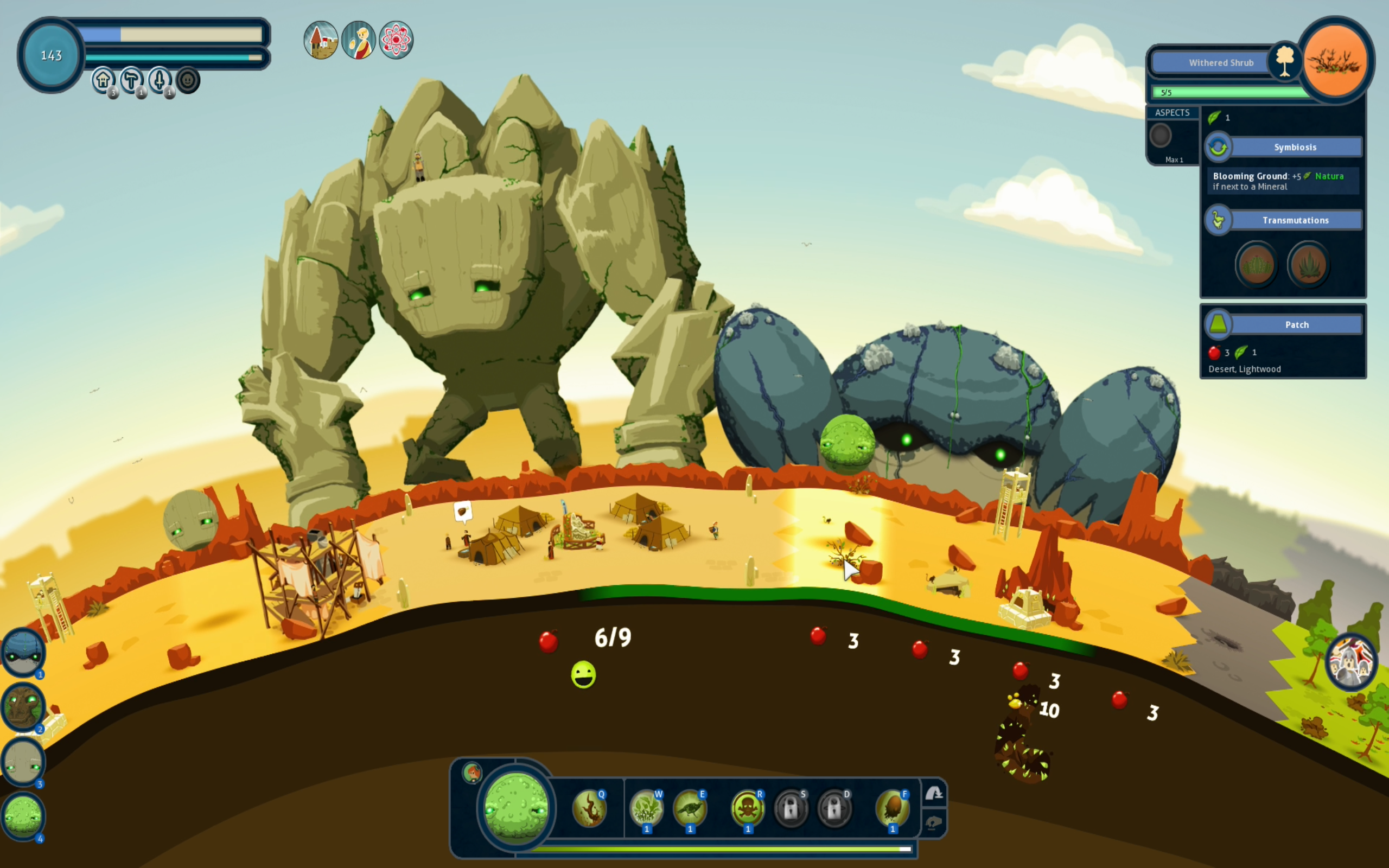
    Here we have the rock and ocean giant help each other with their segments of land. Animals in the desert produce more food when put next to a mineral mine.

    “Wait!” I hear you ask, “is there a main narrative or challenge to this game to give you a purpose for helping the humans?”, and there is indeed. Before starting a game, you get to choose what era you would like to participate in. A normal era is a 30 minute game, a bigger era is 60 minutes, and finally you can make a single game last 2 hours. Before you start your game, Reus will remind you of the developments/objectives you can work towards in this era. Some of these objectives are simple, e.g. completing 3 village requests, but others are challenging, and may be so specific that you end up only making one village for an entire 30 minutes and catering to their every command. These developments make sure you work towards a common goal, and help to add to the longevity of Reus.

    FUCK THE VILLAGERS
    Here, the swamp giant is trying to experiment with different herbs, making as much tech as possible for the village that occupies this land.

    In conclusion, Reus is a fantastic game that tests your knowledge and multitasking skills to their limits. In the later game it becomes a lot harder when trying to make your land as efficient as possible,  but the outcome is worth it when you see all the developments popping up to show how well you’ve done. I admit, this isn’t going to be everyones cup of tea, especially with a lack of direction in the game, but for those that like pushing their multitasking skills to the limits, this is for you.

    3/5

  • Gaming Week 31: Organ Trail (PC/Mac)

    Gaming Week 31: Organ Trail (PC/Mac)

    FUCK THE TITLESSSS
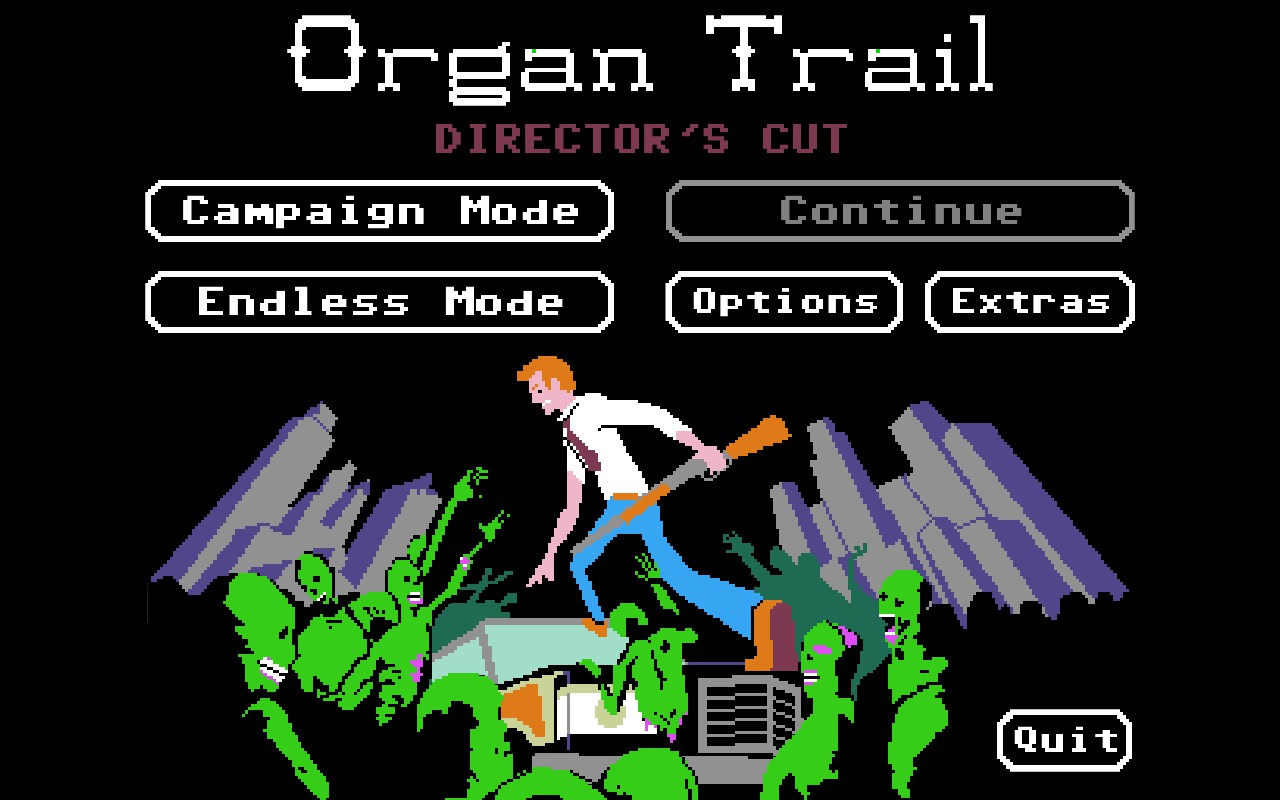
    Organ Trails retro graphics perfectly fit with the inventory management sim this game portrays. It ensures you’re not dazzled by the graphics and instead focus on the gameplay itself.

    Organ Trail is a fantastic inventory management sim, one that scales back all graphics and polish to be as raw as possible.  It’s a strategy game at it’s best, making sure you’re not distracted by anything else but the task of keeping your party alive.

    You start Organ Trail shooting down zombies from the safety of a sandbag wall, mowing them down one by one until you run out of ammo. This triggers for a man to come out of the shadows and help you run down the last of the danger. You’re told that he can help you get to Washington DC, a place where your friends probably are. (A lovely side note here, you get to name your friends, which is hilarious further down the road when things start happening.) Once there, you’re tasked with scavenging items that will try and last you the rest of the game, travelling from east coast to west. This is not a easy task, as you’re told from the gentleman’s journal that everything is pretty essential, for example, food is consumed at a regular rate to keep the party alive over the rest of the game. allowed your party only 1oz of food an hour will make your supplies last longer, but causes your party to lose more health by the hour. Once you’ve decided on your resources, you set out without the gentleman who helps you, killing him due to being bitten and infected. He has served his purpose and has helped you start your journey.

    FUCK THE BAND WAGGON
    This is what the town screens look like when you reach a new area. From here you can decide what you’re going to need for the next leg of your journey, and equip yourself appropriately. The town screen also gives you the chance to earn more money through jobs, or upgrade your car to ensure it survives longer.

    From here, the rest of the game is relatively similar. You travel along in your station wagon from town to town, having random encounters along the way. These encounters can be nice, giving you a new upgrade part for example, or very, very annoying (I once lost all my spare tyres and mufflers in one trip, whilst also having a team mate incapacitated). This is where the inventory management comes into action; you’re constantly having to manage healing squad mates, with ammo, and spare parts for the car to ensure you get to the next town in one piece. I must say one thing, for a post-apocolyptic society, a lot of people want cash, to the point I found myself far too short on the resource too many times to count, so keep that in mind when you start this game yourself.

    FUCK THE ROAD
    This is what happens along the road. I assure you, this is the start of the game as I certainly didn’t do this good a few minutes in.

    For as much fun Organ Trail is, it’s not without its flaws. The aiming for example during stand offs isn’t fantastic, but this could jus be a conscience decision for the developers to ensure the game stays hard. Another problem is the games simple mechanics; past the inventory management and player management, there isn’t much originality to the towns and encounters. It means you get into a routine and generally do the same thing over and over.

    FUCK THE TIMSSSSS
    Tim was incapacitated, and I didn’t want to feed him anymore, so I done this. (I was very tempted to tweet about it)

    In conclusion, I would compare Organ Trail to FTL: Faster Than Light. Its game mechanics make sure you’re constantly managing a set crew and vehicle down to the nitty gritty, and events make sure it adds some randomness into the mix. Add this to the fact that like FTL, Organ Trail is a hard but addictive game,  and it becomes impossible not to recommend Organ Trail. Its graphics and play style might not be to everyones taste, but if you’re a fan of strategy and hard games, Organ Trails right up your street.

    4/5

  • Gaming Week 30: The Walking Dead: 400 Days (PC/Mac)

    Gaming Week 30: The Walking Dead: 400 Days (PC/Mac)

    FUCK THE SELECTION
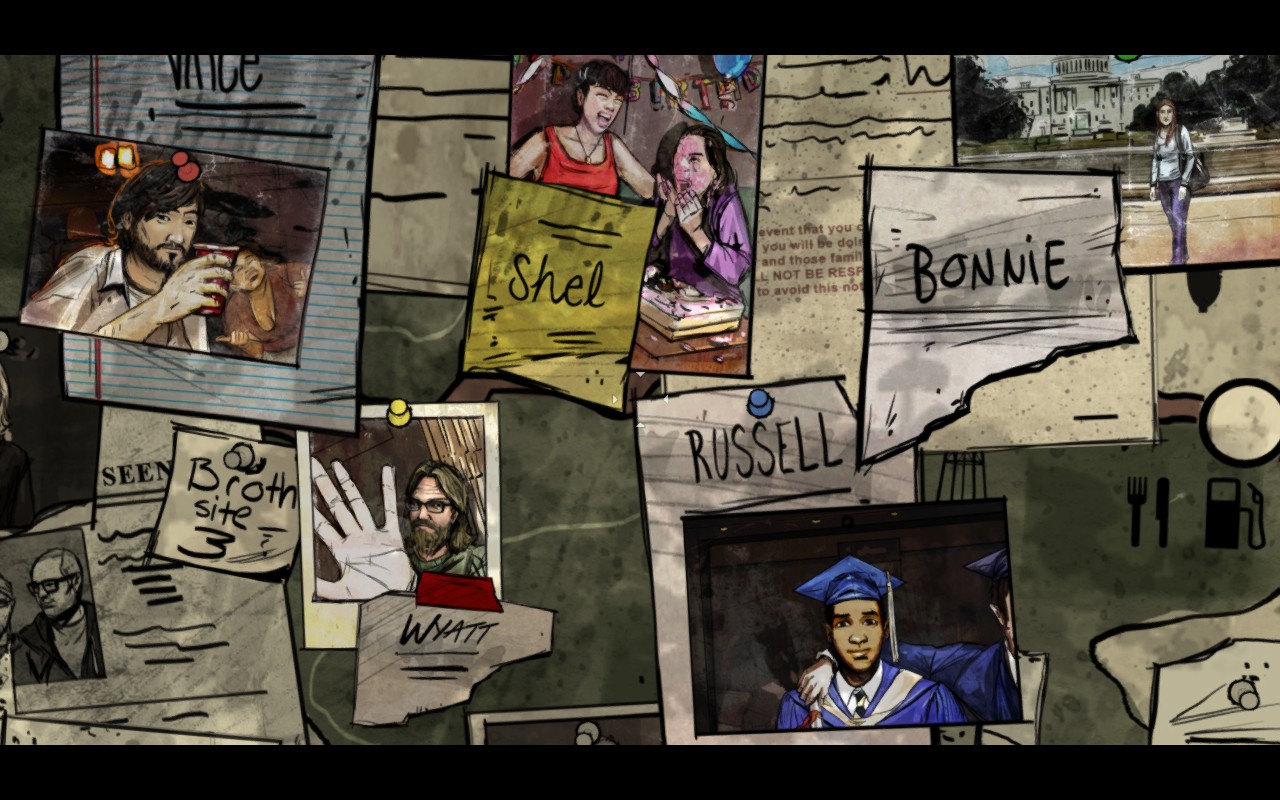
    These are the characters you get to chose from, each one with their own unique story.

    I was blown away by the Walking Dead back when I played it in January, as I’m sure many of you have heard from many publications, its a landmark game for story telling, and certainly has a uniqueness to it that’s hard to find elsewhere. 400 days is a piece of DLC to go on top of the walking dead, and is seen as a separate chapter on the chapter select screen. Each story is about 20 minutes in length, with a Epilogue that follows after completing each characters story. So for £3.99, its a nifty price for an adequate amount of content.

    FUCK THE WALKERS
    As with the previous Walking Dead chapters, zombies are still a part of the story, but it’s the characters and relationships which really makes the game come to life.

    Each story feels like a fully realised game in itself, with characters feeling extremely rich and deep. It makes you wonder what other game studios are doing with their writing staff, or whether Telltale Games have stole all the good writers of our time. When you select a character from the billboard, you play as that character, and undergo the traumatic experience they did on a certain day within the 400 days after the initial outbreak. Having the characters’ stories broken up into different days really helps to tell completely different stories, and helps to make you face different scenarios as time goes on. For example, a whose story begins a few weeks after the outbreak may be fine for food, but may have relationship or bandit problems, where as a character at 300 days may have food problems, therefore tensions would break out about rations. It makes for some very different scenarios, allowing characters to flourish under these intense situations.

    FUCK THE DECISIONS
    Multiple choice is back in this DLC, with decisions seeming to have a greater impact on the story than in the original game.

    Graphics and gameplay haven’t changed, with the game turning to multiple choice and conversation options to tell a story rather than action sequences. That isn’t to say that the original game had a lot of action pieces, but this DLC certainly has a lot less, making it a lot more laid back than previous chapters. Decisions you make seem to have a lot more impact than previous chapters, now this may be because you aren’t as attached to the characters (how attached can you become in 20 minutes?), but things are definitely a lot more drastic than before.

    FUCK THE DIALOGUE
    Dialogue is fantastically written, as it was in the original, there’s just not as much to do this time round.

    Pros:

    • Amazing stories make the Telltale writing staff some of the best in the business
    • Plays to the engines strengths by making sure there’s next to no action involved

    Cons:

    • If you’re looking for action, it’s not here

    So in conclusion, The Walking Dead: 400 Days gives you more of what you want, and less of what you didn’t want from the original 5 chapters. Its shortness does stop you from getting as emotionally involved as the original game, but each story has enough depth to make sure you’re satisfied.

    4/5


  • Gaming Week 27: Poker Night 2 (PC)

    Gaming Week 27: Poker Night 2 (PC)

    FUCK THE GORILLAAAAA
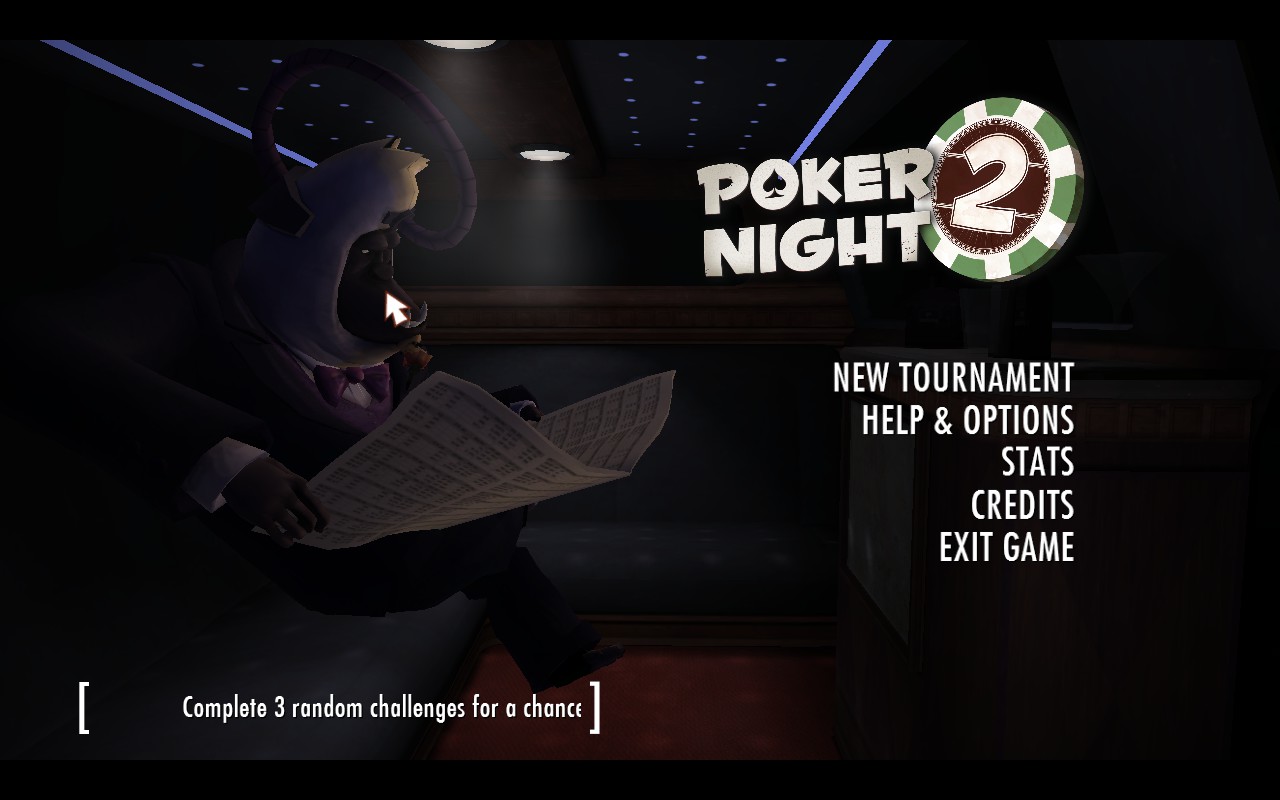
    I don’t know who this bloke is, but he seems pretty cool, and giggles every now and then, so I’m happy.

    For this week I wanted to review Poker Night At The Inventory, the first Telltale Games poker game, but I found that everytime I went to start a new tournament, the game would crash on my Mac, and since I have no access to a PC at this moment in time, I had to make do and play the second game in the series. This isn’t a bad thing at all, in fact I’ve heard the second game is definitely a lot better than the first, it’s just that I wanted to see the evolution of the series for myself, not take other peoples word on it. So without further adue, here are my impressions of Poker Night 2 by Telltale Games.

    YEAH BOIIIII, GLADOS
    So this is the whole crew of Poker Night 2, with GLaDOS being the dealer. It’s a nifty team, with personalities mixing to make a great atmosphere for Poker. From left to right: Brock Samson from Venture Brothers, Claptrap from Borderlands 2, Ash Williams from The Evil Dead and Sam from Sam and Max.

    So as you can tell from the title of the game, Poker Night 2 is a game about poker, with a sprinkling of recognisable characters as your rivals.This adds a nice spin to the traditional poker game as you enjoy listening to characters converse about a range of subjects, from what it’s like to be a Dog (Sam has some good answers) to what it’s like having your face plastered all over signs across Pandora. (Claptrap is pretty witty in his response).

    Theres not much to be said about the game of poker itself unfortunately. Poker Night 2 gives players the choice of Texas hold ’em, or Ohama rules, which is all fine and good for a poker game, although more rule sets could have been chosen. You’re always given $20,000 to start a tournament, and this money is completely imaginary, none of your own money (bar the purchase of the game itself) is used. It would have also been hilarious to have a strip poker version, as the money has no value, and it would have been fantastic to hear Brock or Sam get annoyed at losing a hand.

    WOOOO MOXXI
    You can buy characters drinks using tokens you earn by winning tournaments. The drunker a character gets, the more tells they have for when they’re bluffing. Also shown is the Borderlands deck of cards.

    What really differentiates Poker Night 2 to other poker games is it’s unlock system, in which there are 2 different types of unlocks. The first is when you win a normal tournament , which gives you tokens to spend as you please. These tokens can go towards buying new decks of cards, new chip designs, new boards to play on, and finally, drinks for characters whilst you’re playing a tournament (in-game unlocks). The second type of unlocks are rare and happen when a character bets a valuable object of theirs for the winner of the tournament. These unique objects allow the player to unlock content in other games, for example costumes in Borderlands 2 and Team fortress 2. From my point of view, the latter unlocks seem to be a purely commercial part of the game, an incentive if you will, of players who are huge fans of other games getting as much content as they can for the games they love. The £3.99 price tag then is really a piece of DLC for Borderlands 2 and Team Fortress 2.

    Pros:

    • Great atmosphere and charm from the characters you are pitched against
    • A solid poker game for those who like poker

    Cons:

    • Fairly short
    • Character conversations can become repetitive, I’ve heard Claptrap ask Sam what it’s like to be a dog 3 times in 6 tournaments


    By itself, the game is OK, it doesn’t break any new ground when it comes to Poker, and definitely has charm, but I can’t help but feel the only players who are going to find the best value in the game are those who own both Borderlands 2 and Team Fortress 2 in steam and want more content for them. Otherwise I don’t think the characters alone are enough to detract hardcore poker players away from the hundreds of free online poker games, and with a £3.99 price point, I think Telltale Games know this too.

    3/5

  • Gaming Week 26: Evoland (PC)

    Gaming Week 26: Evoland (PC)

    FUCK RPG'S
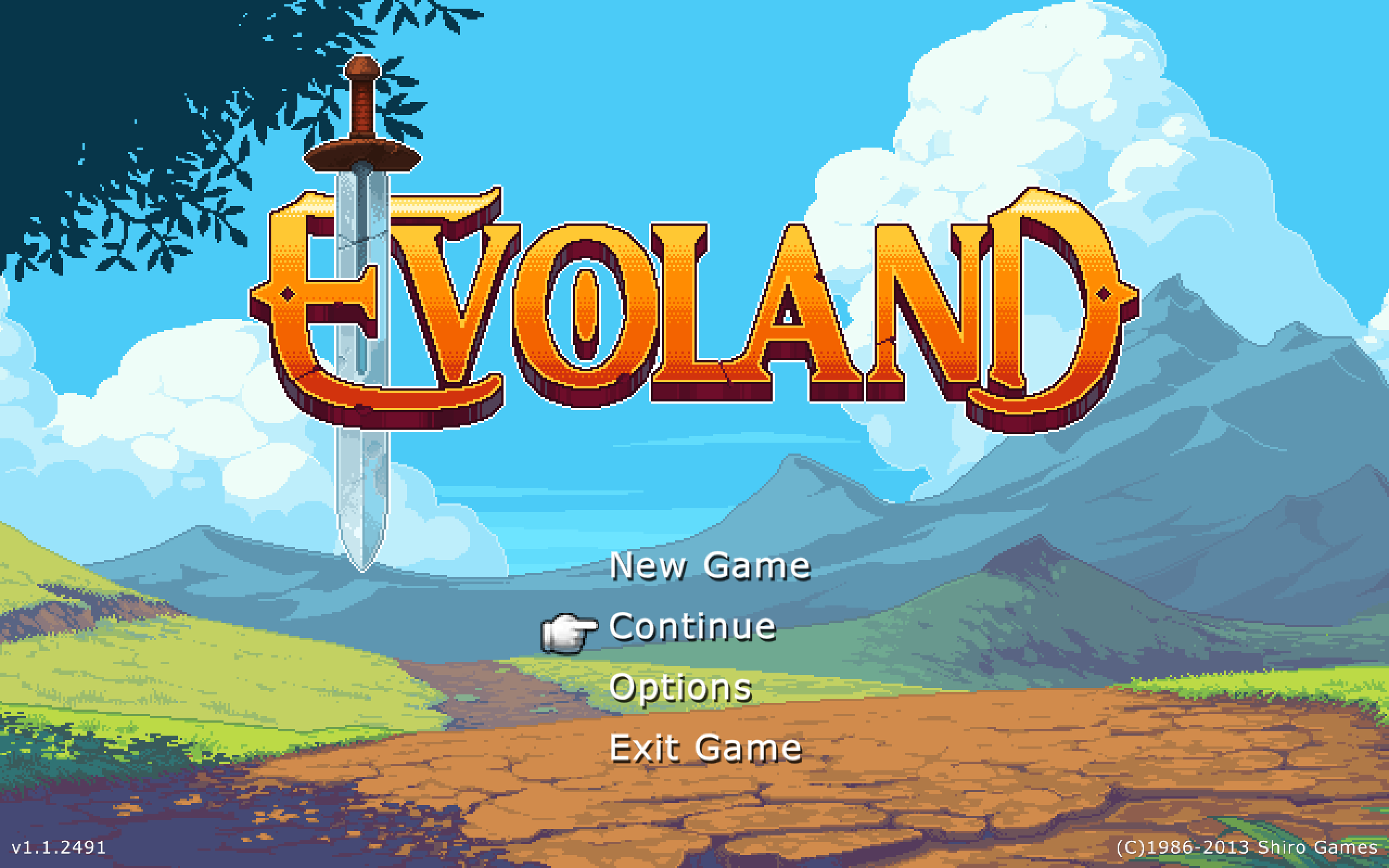
    From the get go Evoland looks like a RPG.

    Evoland has peeked my interest ever since I first laid my eyes on it. Similar to DLC quest, you travel through the world of a RPG, constantly upgrading the gameplay/graphics as you progress. This was enticing as DLC Quest was a very short game taking the mick out of the DLC culture, so I wanted to see what Shiro games brought to the table with Evoland, as their marketing approach was definitely different to say the least.

    You start the game as a 2D RPG, reminiscent of Final Fantasy games of yester-year. Only able to move in certain directions, you plod along opening chest after chest. Each chest gives the game a new look or feel, one chest gives the game colour, the other, the ability to move in all directions. It all quickly adds up, and soon you’re walking around the world like you’re in a Zelda game.

    ALL THE TIME CRYSTALS
    I kid you not, this is definitely Evoland you’re looking at, and not Zelda.

    The game doesn’t end there, making sure to keep evolving the graphics and gameplay to the point you’re using different systems for different locations. In dungeons you’ll fight like Zelda, pushing blocks to open doors, killing enemies to unlock levers, it all is very familiar, where as in the main world map, you’ll fight creatures like in a Final Fantasy game; a turned based system where you also level up and acquire gold.

    FUCK GOOMBAS
    Attention to detail is pretty cool here, Evoland loves to flaunt so many recognisable franchises with a little twist.

    All of this alone wouldn’t be enough to keep a player enticed for 3-4 hours, so Evoland does have a plot, but I use that word loosely. The plot is only introduced after 20 minutes of playing the game, and even then it’s a sentence or two. This means players will spend the first 20 minutes walking around for the sole purpose of seeing the world around them evolve, which isn’t bad, its just schizophrenic that the game seems to take both the world and the plot seriously, without ever intertwining the two. The plot feels separated from the game itself, so you end up not knowing whether the story is a joke or a serious tale.

    FUCK PRE-RENDERING
    The Final Fantasy rendered town is pretty cool, and definitely gave me nostalgia for FFVII.

    Gameplay was fine and enjoyable for the most part, but there were times when the dungeons would become frustrating and dubious to finish. Such times relied too heavily on the Zelda mechanics of the game, which was a fairly flawed fighting system, and after dying meant you’d have to start the dungeon again and again. It became annoying, but persistance prevails is the only advice I can give to those wanting to give this game a go.


    FUCK THE AI
    Loved this shout out to the FFVIII card mini game. Cards can be collected through the main campaign and used to verse the AI in one town.

    Pros:

    • Great little history lesson in RPG’s
    • Great graphics for each style

    Cons:

    • Plot doesn’t live up to the standards set by the gameplay
    • Certain dungeons/levels aren’t well thought out, resulting in numerous retries

    Overall, Evoland is a good game for a first time studio, and certainly lives up to its trailers and hype for showing the world the Evolution of RPG’s. Where the game falls short though is in its ability to become more than DLC quest’s mick take of the DLC phenomenon, and become a real game in its own right.

    Evoland is on sale at the moment on Gog.com for only $5, so I’d say its worth a play for its price.

    3/5

  • Gaming Week 24: Thirty Flights of Loving (PC)

    Gaming Week 24: Thirty Flights of Loving (PC)

    Following on from last week I decided to play Thirty Flights of Loving, the sequel to Gravity Bone. This one was kickstarted as part of the Idle Thumbs podcast, and eventually was released to steam for download. It follows on from the themes and story outlined in Gravity Bone, and even has more depth than the first.

    EAT THE FUCKING CAKE
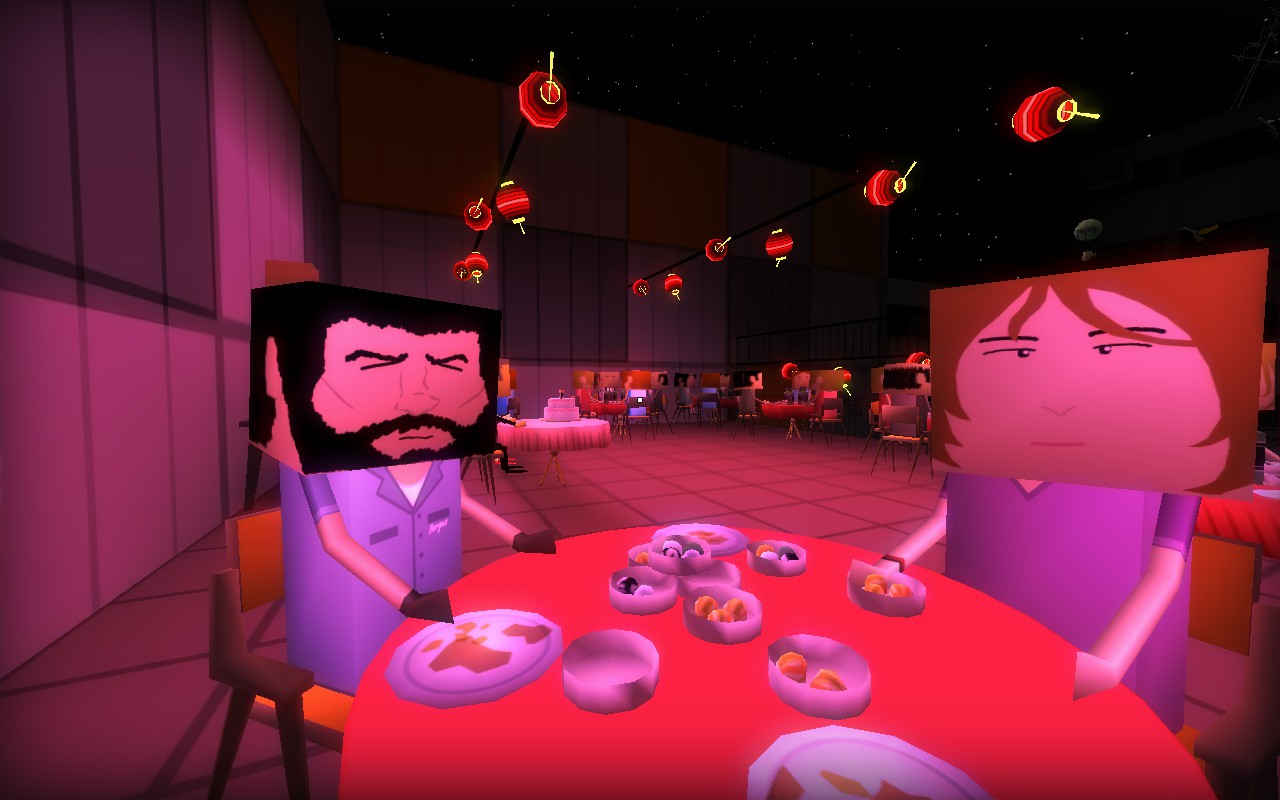
    Yayyyyy a wedding, I do love to drink at these

    You start Thirty Flights of Loving as an agent that must find his way into a secret hide out. A small poster on the wall explains the controls, and with this the game sets you on your way. Its once you set out on your mission is where you  Now it may not be a coherent story, but its you that must do the job of making it one, constantly guessing whats coming next only for your presumptions to be turned upside down.

    FUCK THEM
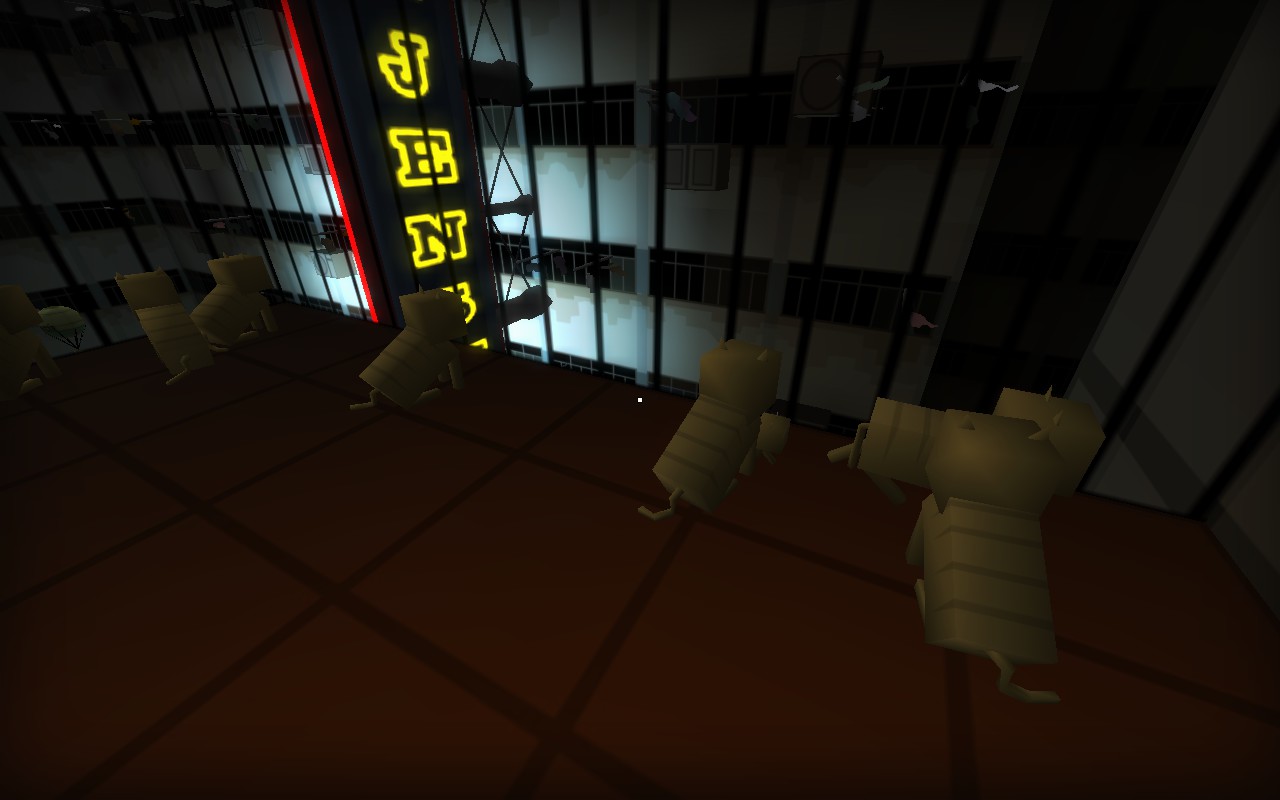
    All the Cats!

    Game mechanics are fairly straight forward, you no longer have to use freeze spray or hammers to unlock things, instead this is a linear experience where you press E to interact with things or use WASD to move around. This isn’t a bad thing at all, but I did like the freeze and hammer combination in Gravity Bone, and would have liked Blendo Games to give it a go at other control systems, breaking them down to their core values.

    Thirty Flights of Loving has all the core values which make up a AAA game, but does so at such a simple level that it’s hard to see them. The story is told in such a fantastic way, but misses a lot of specifics, so you’re left guessing as to why things are happening/what happened. This isn’t a bad thing at all, and in fact makes the player use their brain for once to create a narrative rather than just being a set of eyes. If leaves you feeling genuinely happy when you finish the game, a feeling that is hard to come by with modern games.

    BUT SOFT AS BUTTER
    This guy’s hard as nails

    For its price, Thirty Flights of Loving is worth the investment, and certainly adds a depth to what Gravity Bone started. It’s currently £3.99 on Steam, which is great value, if you’re not sure about that (it is a short game like its predecessor) then it is on sale quite often, I think I picked my copy up for £1.49. Give it a go if you like Gravity Bone, you won’t be disappointed.

    4/5

  • Gaming Week 18: Antichamber (PC)

    Gaming Week 18: Antichamber (PC)

    YOU GO UP!
    Does this mean I have to go down?

    I’ve wanted to play Antichamber since I first ever laid eyes on it about 2 years ago. It looked so different, and so fantastically intelligent, that I just wanted to experience this new way of gaming. It doesn’t go so far as to invent any new ways of gaming, but intelligently pushes you to the limits, ensuring you poke and prod the game environment until you understand its rules, and as a result, feel empowered in this puzzle world.

    You start Antichamber in a black empty room, with no context as to where you are, and what to do. You spin your mouse around to discover you’re in first person view. From here you can then adjust the settings of your computer using a wall, and just clicking the elements you want to change. Its a pretty nifty way of doing things, and I feel it’s quite intelligent game design to show the player how to control your character silently, and very early; allowing the player to find out things through trial and error rather then assuming every player is dumb and show controls up front.

    Once you’ve got to grips with the controls, it then allows you to select a room, which as you find out, is a puzzle in itself. Every room in this game is a puzzle, in fact, many puzzles  within puzzles, and it all screws with your head. You’re never quite sure if you’re just not looking hard enough, or whether you haven’t progressed far enough in the game to apply new skills you’ve learnt to old puzzles.

    MY HEAD! IT HURTSSSS
    Perspective 1 of a scene
    IT FUCKS WITH YOUR HEAD MANNNN
    Perspective 2 of the same scene

    The first few rooms ease you into the style of how Antichamber will play out, and then will successfully turn that on its head to mess with you. It does all have a set of rules/boundaries, which you will come to know with time, although at the start this may feel like a lie, push through and you’ll get to understand the world in which Antichamber inhabits. Rooms may continue forever until you just turn around and come back the way you came, where as others may look like a dead end in a certain light. It’s all fantastically designed to mess with your mind as much as you can take.

    Eventually you’ll come across a gun, but not any gun you’ve seen in other games. This gun picks up and disperses cubes, something which expands the puzzle element of the game no end. Cubes need to be placed in certain holes to open doors, whilst also being a restrained quantity, which can lead to some very annoying situations of starting a room again just so you can allocate your cubes correctly. The gun gets updated 4 more times in the game, allowing more creative ways to manipulate cubes, whilst also allowing you to revisit previous rooms to try and solve problems again. It’s a fantastic way to make you feel like you’ve accomplished something with every few minutes, whilst also being annoyed that you didn’t see it sooner.

    SO HARDDD
    After 5 hours of play time, this was the amount of puzzles I had solved. There’s still more to go.

    Pros:

    • Fantastic puzzles that really do mess with your head
    • Gorgeously realised art style

    Cons:

    • No story makes for confusing motivation
    • Little to no replayability after completion due to knowing all the solutions

    So I waited until this game came on sale to buy it, (£7.49) but in hindsight, £15 is actually pretty good value for the time I got out of Antichamber, and given the chance, I’d happily recommend it for all to play.

    4/5

  • Gaming Week 16: Deadlight (PC)

    Gaming Week 16: Deadlight (PC)

    FUCKKKKK
    Deadlight for PC

    Deadlight throws you into a realistic, post-apocalyptic world where a man can only move left and right. Joking aside, this is a truly realised world, where a simple platformer can have more depth and style then I’ve seen before (I shall overlook Limbo for now, although it is definitely in the same league.)

    ALL THE CARS
    Vista’s are gorgeous, something that can rarely be said for a 2D platformer

    Deadlight follows the story of Randell Wayne, a man who wakes up to all manner of chaos unfolding before him, at which point you have to take control of him and set off. During the course of the game, you’ll learn about Randells past, and his current relationship with other characters, ensuring that you’re clued up on what’s happening in this world. The main things you’ll be avoiding in this game are Zombies. These stupid, slow creatures feel slightly out of place in a platformer, but do allow for some interesting puzzle sequences (e.g. shouting for them to follow you onto a bridge, which you can then activate to make them fall to their death.) The other obstacles to avoid are typical platformer tropes, holes in the ground, spikes etc, and don’t really do much to advance the genre in anyway. There are some chase sequences that are worth noting, but nothing that hasn’t been done before.

    So, as I’ve already said before, Deadlight is a platformer, but you wouldn’t think that from looking at screenshots. The graphics look like something that’s been pulled from a FPS, with rich, vivid environments that truly adds to the unique style Deadlight attempts. Just look at the screenshots I’ll post throughout this review and you’ll see what I mean. The one criticism I do have with the art style is that it doesn’t take advantage of its time period in ways that I think could be fantastic for this game. It’s based in the 80’s, meaning Tequila Works could of played with peoples nostalgia by putting pop references here and there. I wouldn’t say it’s lack of 80’s culture detracts from the world, not by any means, I just feel it could of helped pull the player in a bit more.

    2D MADNESSSSS
    Enemies can come from the foreground and background to attack you on your 2D plane, be warned.

    The controls are solid, and Randell feels fantastic to control. There are a few glitches where you are sure you should of made a jump, and instead die, but overall the controls are flawless. Later on in the game, you gain control of a gun, which does make the game a bit easier, but Tequila Works balanced this by rationing the ammo. It does add some risk/reward scenarios, which is always a good thing, and even mixes things up when you’re not sure whether to use your last bullet on the zombie in front of you. Another nifty mechanic Tequila Works add is a slingshot, which can be used to get around puzzles. In some instances there may be lifts that can be only activated from a switch hidden behind a wall, these occasions are rare but rewarding when the solution shines through.

    Pros:

    • Gorgeously realised world
    • Solid platformer
    • Strong story allows for an in depth character progression with Randell

    Cons:

    • Glitches lead to some frustration
    • Despite fantastic graphics, a lot of the game is spent indoors

    So overall I’m thoroughly impressed with Deadlight, its definitely inspired me with my own game, and is definitely something I would strive to match in terms of game play and art direction. I’d recommend fans of platformers to give it a go, it’s pretty cheap, and is a good 3-4 hours worth of gameplay.

    4/5

  • Gaming Week 12: VVVVVV (PC)

    Gaming Week 12: VVVVVV (PC)

    VVVVVV
    The captain and his crew in happy times

    VVVVVV was my first foray into Terry Cavanagh’s (Creator of Super Hexagon) games, which in my opinion is a fantastic jumping point into the madness and simplicity he’s become famous for. Although this was made 3 years ago, I still think it’s a fantastic example of how graphics aren’t what makes a game, and how the mechanics of a game are what keeps it interesting.

    VVVVVV looks like a classic 8bit retro game, it’s not much to look at, but it gets the job done. It conveys a captain on his ship who suddenly has inter-dimensional problems and loses all of his crew. Thus begins an epic adventure to find his shipmates, and bring them back. (A note to those who may not know, VVVVVV is named after the names of the 6 crew members: Captain Viridian, Doctor Violet, Doctor Victoria, Officer Vermillion, Professor Vitellary and Chief Verdigris.)

    Controls are very simple, and mechanics are quick to grasp. Your character and run left and right, and can flip gravity through pressing the space bar. This propels your captain to the ceiling and vice versa. It is through this gravity flipping mechanic that you are met with challenges which require very specific and tight controls to navigate the obstacle course of objects and spikes which kill you in one hit.

    Such a big map!
    The dungeons of VVVVVV are dispersed between open world areas

    Although the game mechanics are simple, it doesn’t stop the game from being hard. VVVVVV takes from the Super meat boy school of thought, and gives you a very tried and tested control system, to then challenge you to the point of ripping out your hair. It’s hard in places, but you know it’s not bullshit on the games part, it was your own fault for pressing right too soon, or not jumping when you was meant to. You make the mistakes here, so it’s only yourself you can be annoyed at.

    YOU CAN'T HANDLE THE TRUTH!
    Can you handle the Truth?

    The difficulty curve is perfect for a game of this size and scope, and allows you to progress at a steady rate through the 6 different dungeons hiding each crew member. You may come across hitches that keep you stuck for ages, but overcoming them makes you better as a player, and teaches you new mechanics about VVVVVV.

    Game length wise, the game is modest in providing about 2 hours worth of entertainment, which can be extended with multiple playthroughs and getting all of the collectibles. This is perfect in length, and I feel any longer would have just resulted in a game which outstays its welcome. Some may find a lot of value in this amount of time (especially when it was provided in quite a few humble bundles) where as others (like myself) may be calling out for more.

    Pros:

    • Addictive gameplay
    • Fantastic Soundtrack

    Cons:

    • May not be to everyones taste with unique graphics

    Overall I feel VVVVVV is a must play for anyone looking into game design and game philosophy. It shows that games don’t have to have fantastic graphics in order to be fun, whilst also showing that a lot can be done with a few sets of simple rules. Here’s to hoping that with Terry’s latest success from Super Hexagon, he sets out to make another VVVVVV.

    3/5

  • Gaming Week 10: Hotline Miami (PC)

    Gaming Week 10: Hotline Miami (PC)

    Hotline Miami is a psychedelic tribute to many retro games of yester-year. It makes killing in a pixel world fun, and makes the challenge of who to kill and when a huge part of it’s appeal.

    You start out with a little bit of background, but after a few lines of dialogue you’re straight into the game, controlling your man as he goes around in his car, meeting friends at retail stores, and getting a bunch of free stuff. Every day you get a voicemail, telling you to go out to collect a delivery, or there’s a cleaning job for you at the telephone exchange. Each request sounds strange until you start to realise it’s actually all code talk for exterminating a gang in a certain location.

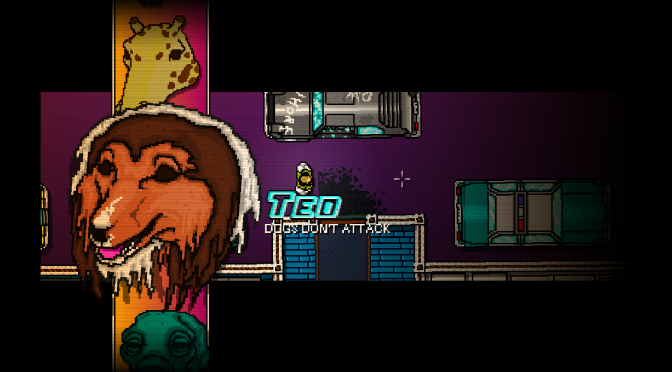
    FUCK THE DOGS
    I chose this mask farrrrr too much

    Once you get to that location, you can don a mask, which will give you certain perks throughout that coming level. The beginning masks are trivial, but soon they become very over-powered, like the above “Ted” mask. It adds a good mechanic to an otherwise simple game, allowing each player to have their own play style, whether that be fast and rough, or slow and calm.

    Gameplay wise, enemies mostly die in one or two hits, but the same applies to you. It means you either have to plan every action carefully, and watch all the routes enemies take, or do as I did and run around like a chicken with no head (which is surprisingly fun and works fairly well) There’s no health in this, and when you die, you start the whole level again, each enemy returning to their original spawn location. It’s very addictive, and can drive a man crazy.

    Nom nom nom guns
    Killing people with guns can be far too easy, but the noise attracts more people

    Gameplay doesn’t differ too much over the course of the game, you do get new enemies to fight who have a bit more health, but none of it has a big impact on the core mechanics, which in itself speaks to the games ability to keep me singing it’s praise despite not changing.

    One thing that should be worth noting is the soundtrack, which in itself is a reason alone to play Hotline Miami. Each stage is unique, whilst also emotionally evocative, ensuring you replay levels just for sheer excellence of the music. If you don’t believe me, give the link below a listen, it’ll literally blow your mind:

    Hotline Miami isn’t without it’s flaws though, many a time I was crashed out of the game for using my best tactic: hiding behind a door with a gun and shooting men as they lined up. All the points are just too much for the game to handle, which meant I saw a lot of screens similar to the screenshot below:

    FUCK YOU RESPONDING
    This happened to me far too often

    Pros:

    • Fantastic gameplay delivers a truly unique experience
    • Awesome soundtrack that’ll want you playing more just to hear more
    • A lot of replayability

    Cons:

    • Glitchy as hell

    Overall I’d hugely recommend Hotline Miami to anyone. It’s one of those games that just has to be experienced, and no amount of writing will be able to provide it justice.

    4/5

  • Gaming Week 8: Proteus (PC/Mac)

    Gaming Week 8: Proteus (PC/Mac)

    Proteus starts out how it means to go on, by giving you an island which is free to explore, and doesn’t tell you a thing. You make the story here, the game just merely gives you the tools to make it.

    You start off Proteus in the middle of the sea, and what lies before you is a island. This island, we are told, is randomly generated, similar to Minecraft. But somethings different, note quite right. We’re told it’s random, but the island seems too perfect to be random. Statues appear on top of a mountain, as if they were placed there by an artist; paths and trees envelop the island, but it all seems to be laid out so right that it can’t be random, can it?

    Turns out it is random. Multiple playthroughs show that the island is always different, always random, but the art assets are always placed in a way that makes the island look thought out, planned even. This isn’t a bad point to the game, if anything it just adds to the awe of how awesome the island is to explore. Each player will have a slightly different experience, and that’s always a good thing in my book.

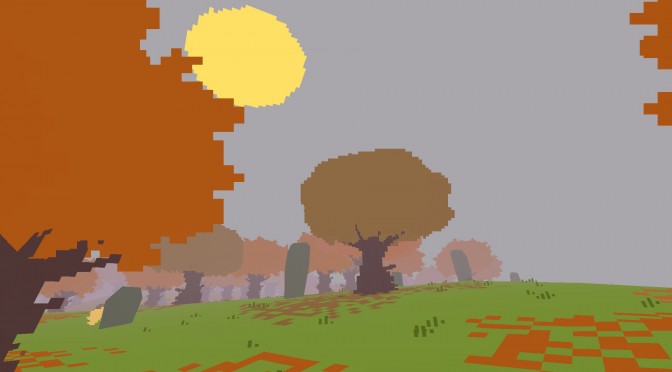
    DUDEEEE, LOOK AT ALL THE COLOURSSSSS
    This is Autumn, a very solemn season


    The game progresses through seasons to tell a story, and you can activate a new season by doing certain things. (I shan’t spoil how you activate these, that’s for yourself to figure out) Each season has it’s own unique feel, along with plants and animals that only appear in each one.

    Everything in the world makes noises, and through these noises you’ll make the music to Proteus. You feel like you’re actually affecting the world, and it’s just another way in which you make your own experience. Rush too fast, and the music is out of sync, out of touch with the environment around it, too slow and the music just doesn’t sound right. Move around the island just right, and everything seamlessly flows into an invigorating experience, pushing you on to find a penultimate conclusion.

    Pretttyyyy Moonnn
    Night time in Proteus is a lovely time

    Pros:

    • World is beautiful and unique, in an industry where pixel art is going out of fashion quick
    • Music is fantastic

    Cons:

    • Expensive for how short the game is
    • After a few playthroughs, you have no reason to come back to the game
    • Can be seen as boring for some

    Overall, I’d happily recommend this game to friends and family, as long as they got it on sale. It offers a very unique and different experience compared to most standard games, but I can see a lot of people crying afoul of this being classed as a “Game”.

    3/5