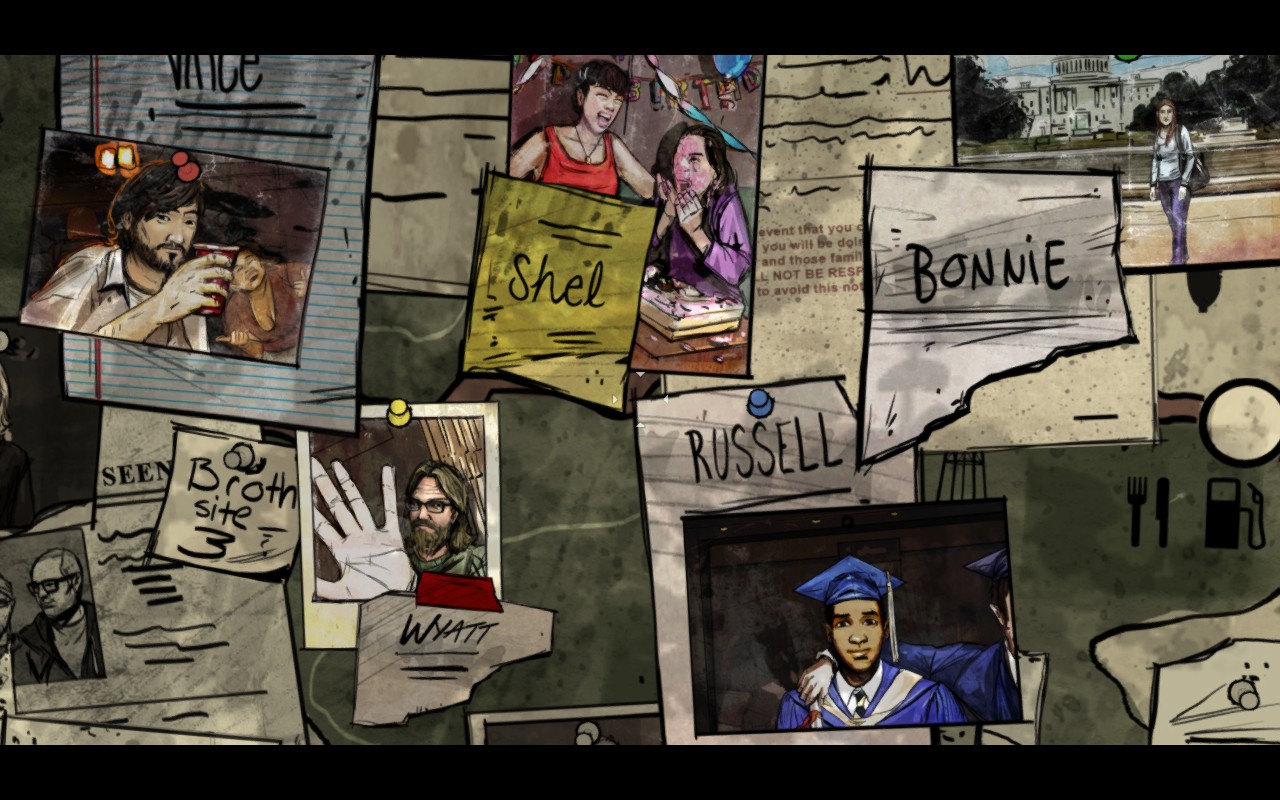
These are the characters you get to chose from, each one with their own unique story.
I was blown away by the Walking Dead back when I played it in January, as I’m sure many of you have heard from many publications, its a landmark game for story telling, and certainly has a uniqueness to it that’s hard to find elsewhere. 400 days is a piece of DLC to go on top of the walking dead, and is seen as a separate chapter on the chapter select screen. Each story is about 20 minutes in length, with a Epilogue that follows after completing each characters story. So for £3.99, its a nifty price for an adequate amount of content.
As with the previous Walking Dead chapters, zombies are still a part of the story, but it’s the characters and relationships which really makes the game come to life.
Each story feels like a fully realised game in itself, with characters feeling extremely rich and deep. It makes you wonder what other game studios are doing with their writing staff, or whether Telltale Games have stole all the good writers of our time. When you select a character from the billboard, you play as that character, and undergo the traumatic experience they did on a certain day within the 400 days after the initial outbreak. Having the characters’ stories broken up into different days really helps to tell completely different stories, and helps to make you face different scenarios as time goes on. For example, a whose story begins a few weeks after the outbreak may be fine for food, but may have relationship or bandit problems, where as a character at 300 days may have food problems, therefore tensions would break out about rations. It makes for some very different scenarios, allowing characters to flourish under these intense situations.
Multiple choice is back in this DLC, with decisions seeming to have a greater impact on the story than in the original game.
Graphics and gameplay haven’t changed, with the game turning to multiple choice and conversation options to tell a story rather than action sequences. That isn’t to say that the original game had a lot of action pieces, but this DLC certainly has a lot less, making it a lot more laid back than previous chapters. Decisions you make seem to have a lot more impact than previous chapters, now this may be because you aren’t as attached to the characters (how attached can you become in 20 minutes?), but things are definitely a lot more drastic than before.
Dialogue is fantastically written, as it was in the original, there’s just not as much to do this time round.
Pros:
Amazing stories make the Telltale writing staff some of the best in the business
Plays to the engines strengths by making sure there’s next to no action involved
Cons:
If you’re looking for action, it’s not here
So in conclusion, The Walking Dead: 400 Days gives you more of what you want, and less of what you didn’t want from the original 5 chapters. Its shortness does stop you from getting as emotionally involved as the original game, but each story has enough depth to make sure you’re satisfied.
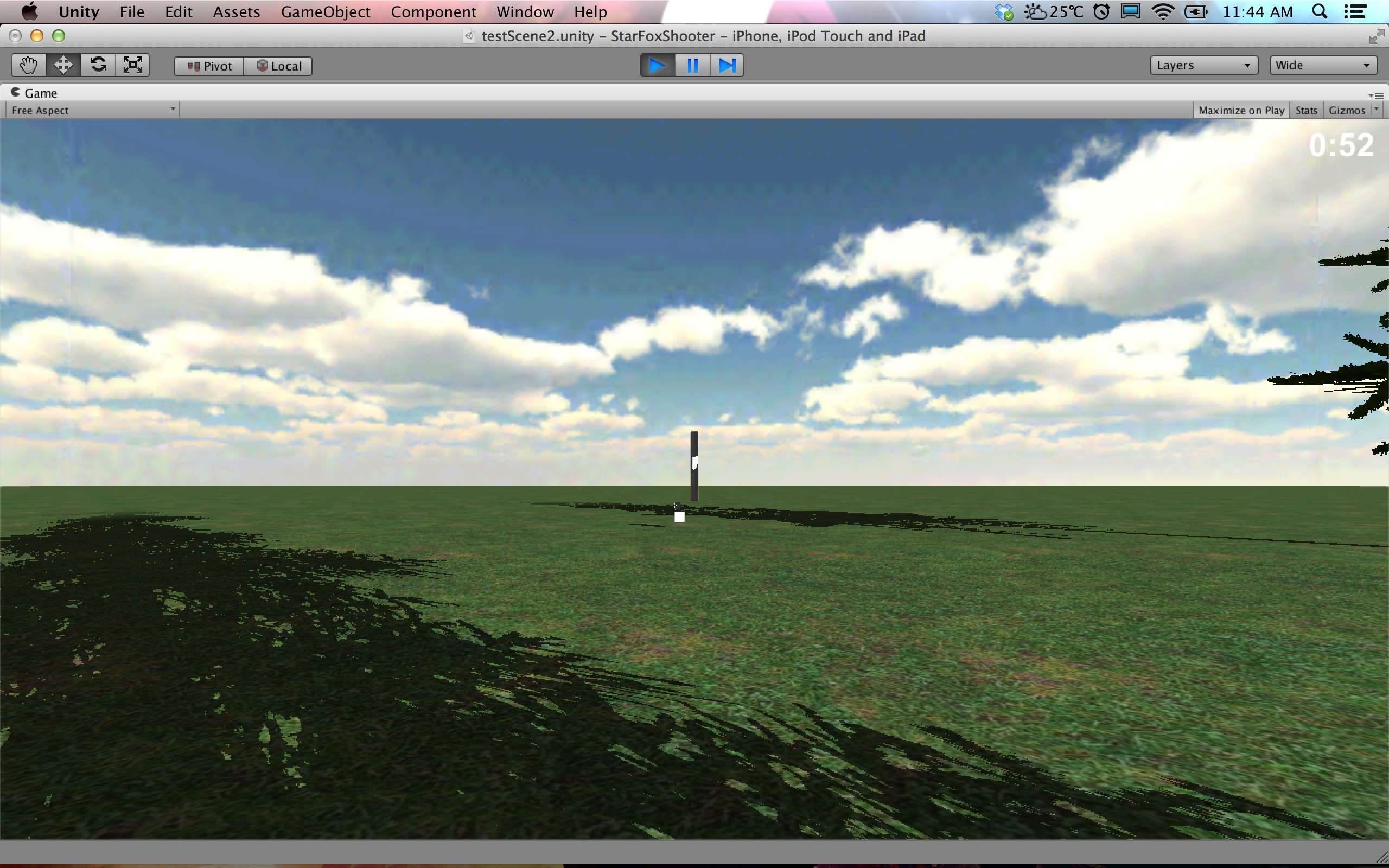
As you may or may not be aware, I’m using Unity to make my current project as I have experience with the platform from my university dissertation and it’s very easy and fast to get a working prototype up and running. It’s always been my thinking that once I get to a certain point in my game, I would pay for the pro version of Unity, to allow my game to take on a fidelity level similar to that of a PS3 or 360. It seems that’s no longer the case! With unity 4.2, they’ve included hard shadows for free! Take a look:
SHADOWSSSSS!!!!!
This is fantastic, and allows for my game to finally start taking shape. Every day that I work on it, I get a little bit closer to what I want to produce. It’s amazing.
Each level starts like this, I only realised after 4 hours of play time that you could right click to skip it.
McPixel was raved about years ago due to the developers choice to help and support people who had pirated the game through the Pirate Bay, and after it being on the Steam Summer Sale for only £0.59, I really couldn’t miss the chance to give it a go.
McPixel starts as it means to go on: by making you click all over the screen in order to progress through the game. It’s the same as how you’d play a classic adventure game, so it’s pretty simple to grasp. McPixel is a bomb expert that needs to save the day in many different circumstances. Sometimes the bomb is in plain sight, other times it’s hidden, at the end of the day your job is to find the bomb and defuse it within 20 seconds.
This is all you’re given at the start of this level, so not knowing where the bomb is, what do you do?
I didn’t mention that McPixel is hilarious and damn right random. Some solutions require you doing things that you’d think have nothing to do with the bomb, others are just down right rude or silly. The example above with the acid, poo and woman at the end, is solved by picking up the acid, and throwing it on the woman. It may sound random, but the bomb is inside her, and by doing what I just said makes sure that the explosion stays just within her belly, saving the supermarket. It’s all very silly and random, and makes for some very funny results.
This is what happens if you fail a level (which will happen a lot). It’s fine though, as you get to keep on trying until you figure it out.
The game takes around 4 hours to complete to 100% on every level and round, which is a decent amount of time for a game this cheap. This can be extended with free DLC, which can be accessed by the main menu. I haven’t had a chance to try any of this DLC out yet, but I can imagine it’d be just as good as the rest of the game. There is also a mode for making and designing your own levels, which seems pretty intense and just as flexible as the main game.
Pros:
Easy control system
Hilarious levels
Very catchy music which I’ll be humming for ages
Cons:
A bit too simple for some peoples taste
Overall, McPixel is a fantastic game from developer SOS, and I recommend it to everyone, especially right now whilst it’s on sale on Steam. For it’s price, I believe a lot of people will enjoy themselves, and if they don’t, well it’s the price of a Mars bar, so get over it.
So I’ve decided to show people what my game can do so far and what I’ve implemented, so here it is:
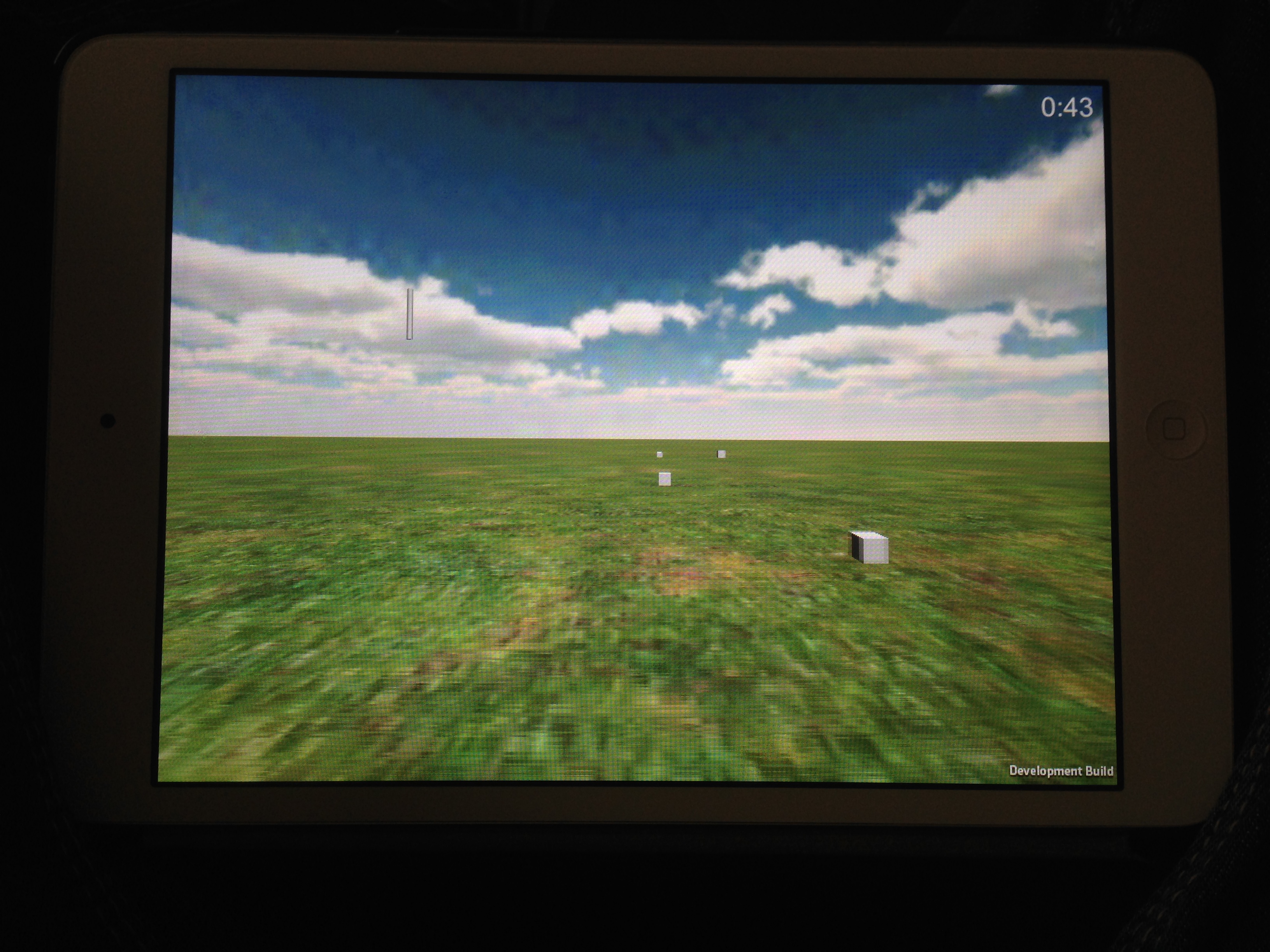
Here’s project dandelion working on my iPad mini. The timer works well, and accelerometer is ok, but needs a bit of tweaking.
The only problem I’ve ran into so far is working with the iPads accelerometer. When the app first loads up, it grabs the iPads current accelerometer speed on the y-axis, and subtracts that from all further movements. This works fine for allowing the user to keep the iPad in the initial orientation they had, but means moving down on the y-axis is very slow, as it has less room to choose from. This should be fixed soon.
This is part two of my weekly review for The Last of Us, where I will break down it’s level design, gameplay, and give some conclusions of my own on how I feel about the game.
The level design is fantastic, albeit game-y at times when you want to explore and get blocked off at doors/exits when you see no logical reason why your character can’t jump over it.
The levels in The Last of Us are absolutely beautiful, giving a really immersive and realistic surrounding that really helps to immerse oneself in the world. Forests are wonderfully built to allow a bit of exploration, whilst also being linear to make sure a player does not get lost and stays on the right path. The level design can be a bit predictable at times, meaning if you’re exploring with Ellie and you all of a sudden see some bottles and bricks scattered around, you know that an enemy encounter is about to go down. I found this annoying to my game experience, as it broke my immersion whenever I would be happily exploring the beautiful environments. This immersion breaking level design would also happen when you started levels, for example having just drove hundreds of miles, you can control Joel to walk back at the start of a level, only to find there’s nothing but rocks or a bus blocking your path. It’s a bit gimmicky and takes away from an otherwise good design.Overall I would say these are some of the most well realised cities/worlds I have ever seen in a game, which really help to portray the fact that humanity has been on the edge of extinction for 20 years.
As for how you play The Last of Us, it’s classed as a survival Action Adventure, meaning that it’s a third person adventure game but it employs survival elements where you don’t get much ammo or resources. During the game you’ll come across cloth, alcohol and many other miscellaneous items hidden throughout the world. You use these items to craft better items such as molotov cocktails, or medkits. This does result in a management of materials, as the examples I just used require the same materials, so you really have to decide whether to go on the offensive with molotovs, or to make medkits to survive for longer. During my playtime on normal difficulty, I didn’t have any of these problems as resources seemed to be plentiful. That isn’t to say it’ll be the same on harder difficulties, but from my experience, survival wasn’t problem. Most encounters you have in the game allow you to bypass by staying in stealth mode and making your way past the enemies. I found this great to start off with, but as the game went on and I got closer to the end where it was just bandits galore, sneaking past just took too much time and effort, so I took them on with guns. Overall the action in The Last of Us is effectively no different than Uncharted 3’s combat, the only difference being that ammo isn’t chucked at you willy nilly, meaning you have to ration resources a bit more. It’s ok, but definitely could of been done a lot better. Ellie may be your companion, but you don’t notice her at all through your playing, she has no influence on the game, and is merely there as a plot device. If you’re sneaking around men or infected, they will literally walk right through Ellie, which is both jarring and silly for such a serious game.
Pros:
Gorgeously realised world that really looks and feels like 20 years have passed.
Fantastic characters that really do evolve throughout the main story.
Cons:
Too many human encounters for my liking.
Ellie has no impact on the game mechanics of the game.
Overall, The Last of Us is definitely a step in the right direction for action games, I just worry about whats happening at the same time. This game feels like a re-skinned Uncharted, but where Nathan Drake would kill hundreds of people and in the cutscenes he’d brush it off, The Last of Us has changed the main character to be immersed in this world of violence, making it so your character has no other choice. It seems that developers are no longer trying to justify the actions of their protagonists, and are now just allowing them to be violent for the stories sake. By all means play The Last of Us, the whole world is raving about it, but I don’t think it deserves all the 10/10’s its been getting. Maybe it’s because The Last of Us was hyped as the game of the decade, but something about it didn’t sit right with me, it’s not different than any game that came before it, it just had a good story and characters. I was hoping the story would effect the game mechanics, which it didn’t.
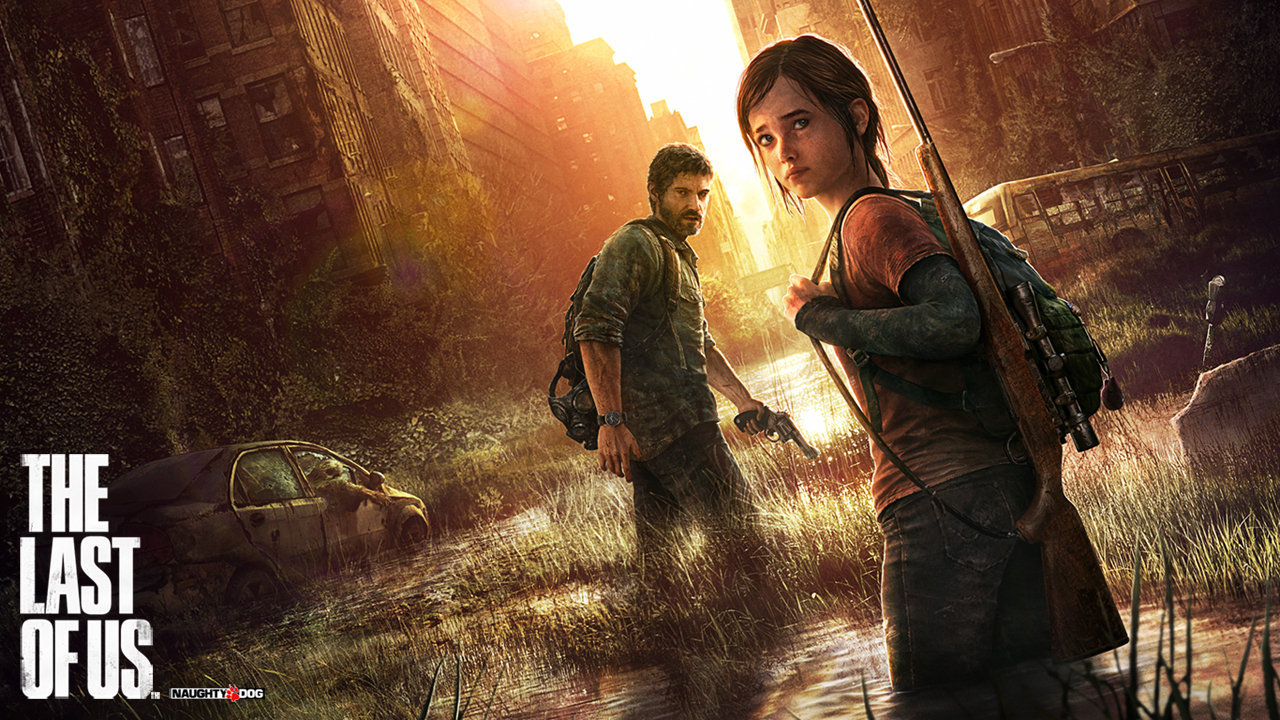
You’ll grow to love these two characters, Joel and Elli, as you progress through the story of The Last of Us.
This weeks review is on a game that has received a lot of attention recently, with many people calling it the game of the decade. I decided I had to see this for myself, so I popped down to Gamestop, and bought myself a copy for $60. (It’s still strange to write that, and $60 is the same price as back home so I was all good for it). For the purposes of length, this review will be split into two, with the first part today concentrating on premise, story and characters, and tomorrows part focusing on the gameplay, level design and conclusions.
So, The Last of Us is based in a post apocalyptic world where zombies roam the earth. These aren’t normal zombies, they’re infected, which is slightly different and more believable than zombies; the first stage of transformation is crazed “runners”, who will beat and bite ordinary people like a traditional zombie. The next stage is “clickers”, this transformation entails a fungus exploding from the infected’s face, meaning they can no longer see, but click their tongues to see like a bat using sonar. The final transformation is the Boomer, a gigantic foe who will throw his fungal protrusions at enemies. Past these transformations an infected person will finally mould into a wall and give out spores to infect more people. It’s a nice concept that is different than the typical “zombie apocalypse” scenario, albeit all the familiar as well. Naughty God didn’t have to make the runner zombies, but to make the game play interesting they had to have multiple enemy types, and so it was a good fit.
This is a clicker, which is what people who have been infected for a while turn into.
The story starts with you controlling a little girl who wakes up to a phone call asking for her dad. The man on the phone sounds out of breath and scared, so the girl you control (Sarah) gets scared and has to find her dad (Joel). It’s a great scene that sets up the rest of the game fantastically, allowing you to see the world turning to chaos right before your eyes in a unique perspective. Once the screen fades to black, the player takes control of Joel 20 years later in Boston. In this time the infection has spread throughout the world, and special quarantine zones have been set up with military overlooking civilians. Rations are low, and the whole zone feels very much down in the dumps. As Joel and his companion (Tess) are smugglers, they need to get to the other side of the quarantine zone in order to get a “shipment”, and this is when you’re first introduced to the conflicting factions in this post-apocalyptic world. There’s the army, which is trying to take care of everyone in a harsh way, and the fireflies, a group of rebels that want to overthrow the army and feel they’d do a better job of protecting civilians than the government. Once Joel and Tess reach their shipment, the games true purpose is shown; in order to get their shipment, they must smuggle and deliver a child (Ellie) to the fireflies just outside of town. What seems like a simple task soon turns into having to traverse the whole USA, from Boston in the east to Salt Lake City in the west, which is a good set up for a game. The clans coupled with the new infected make for a very interesting take on the post-apocalyptic world, if not 100% original, it’s definitely a different take on a already popular genre of media. The story itself was ok, with cutscenes shinning light on the current circumstances characters found themselves in, but I found it all a bit too predictable, meaning that apart from the ending, I knew where the game was going. This is mainly because the story is based on the characters themselves, and not necessarily on the world around them.
Bill and Ellie certainly don’t see eye to eye, which can make for some very tense and funny cut scenes as their personalities rub each other up the wrong way.
The characters are brilliantly filled out, with Joel and Ellie having a dynamic that makes you want to continue playing, just to see how their relationship changes. Throughout the campaign, Joel and Ellie will encounter many other characters on their travels, with each of these people being just as fleshed out and detailed as the main protagonists. Joel has been through a lot and is cynical of the world around him, meaning he’s a hardened veteran that doesn’t want hassle. Ellie on the other hand is a hard ass teenager who doesn’t want to be a burden on Joel, so tries to be independent, which causes more trouble for Joel. One example of the fleshed out characters is a man called Bill, who owes Joel a favour, to which Joel uses to try and get a working car to drive across the country. Bill is a very distrustful person who doesn’t like change, which really doesn’t go well with Ellie being a independent and strong woman, resulting in some very funny scenes between the two conflicting personalities. Overall the characters are amazingly thought out, which makes for a lot of believable relationships throughout the main story, meaning it’s not necessarily the story or the world that appealing, it’s the way the characters change and evolve throughout their time together.
I don’t know who this bloke is, but he seems pretty cool, and giggles every now and then, so I’m happy.
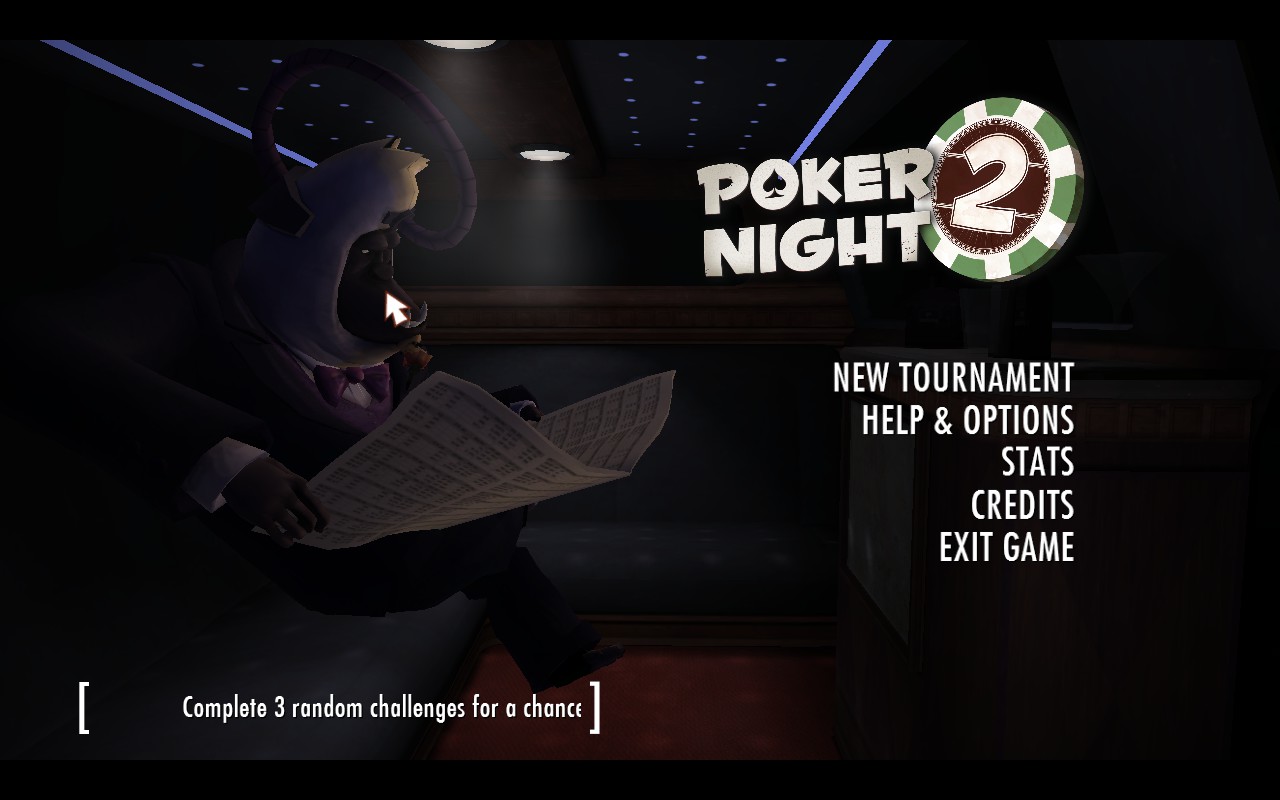
For this week I wanted to review Poker Night At The Inventory, the first Telltale Games poker game, but I found that everytime I went to start a new tournament, the game would crash on my Mac, and since I have no access to a PC at this moment in time, I had to make do and play the second game in the series. This isn’t a bad thing at all, in fact I’ve heard the second game is definitely a lot better than the first, it’s just that I wanted to see the evolution of the series for myself, not take other peoples word on it. So without further adue, here are my impressions of Poker Night 2 by Telltale Games.
So this is the whole crew of Poker Night 2, with GLaDOS being the dealer. It’s a nifty team, with personalities mixing to make a great atmosphere for Poker. From left to right: Brock Samson from Venture Brothers, Claptrap from Borderlands 2, Ash Williams from The Evil Dead and Sam from Sam and Max.
So as you can tell from the title of the game, Poker Night 2 is a game about poker, with a sprinkling of recognisable characters as your rivals.This adds a nice spin to the traditional poker game as you enjoy listening to characters converse about a range of subjects, from what it’s like to be a Dog (Sam has some good answers) to what it’s like having your face plastered all over signs across Pandora. (Claptrap is pretty witty in his response).
Theres not much to be said about the game of poker itself unfortunately. Poker Night 2 gives players the choice of Texas hold ’em, or Ohama rules, which is all fine and good for a poker game, although more rule sets could have been chosen. You’re always given $20,000 to start a tournament, and this money is completely imaginary, none of your own money (bar the purchase of the game itself) is used. It would have also been hilarious to have a strip poker version, as the money has no value, and it would have been fantastic to hear Brock or Sam get annoyed at losing a hand.
You can buy characters drinks using tokens you earn by winning tournaments. The drunker a character gets, the more tells they have for when they’re bluffing. Also shown is the Borderlands deck of cards.
What really differentiates Poker Night 2 to other poker games is it’s unlock system, in which there are 2 different types of unlocks. The first is when you win a normal tournament , which gives you tokens to spend as you please. These tokens can go towards buying new decks of cards, new chip designs, new boards to play on, and finally, drinks for characters whilst you’re playing a tournament (in-game unlocks). The second type of unlocks are rare and happen when a character bets a valuable object of theirs for the winner of the tournament. These unique objects allow the player to unlock content in other games, for example costumes in Borderlands 2 and Team fortress 2. From my point of view, the latter unlocks seem to be a purely commercial part of the game, an incentive if you will, of players who are huge fans of other games getting as much content as they can for the games they love. The £3.99 price tag then is really a piece of DLC for Borderlands 2 and Team Fortress 2.
Pros:
Great atmosphere and charm from the characters you are pitched against
A solid poker game for those who like poker
Cons:
Fairly short
Character conversations can become repetitive, I’ve heard Claptrap ask Sam what it’s like to be a dog 3 times in 6 tournaments
By itself, the game is OK, it doesn’t break any new ground when it comes to Poker, and definitely has charm, but I can’t help but feel the only players who are going to find the best value in the game are those who own both Borderlands 2 and Team Fortress 2 in steam and want more content for them. Otherwise I don’t think the characters alone are enough to detract hardcore poker players away from the hundreds of free online poker games, and with a £3.99 price point, I think Telltale Games know this too.
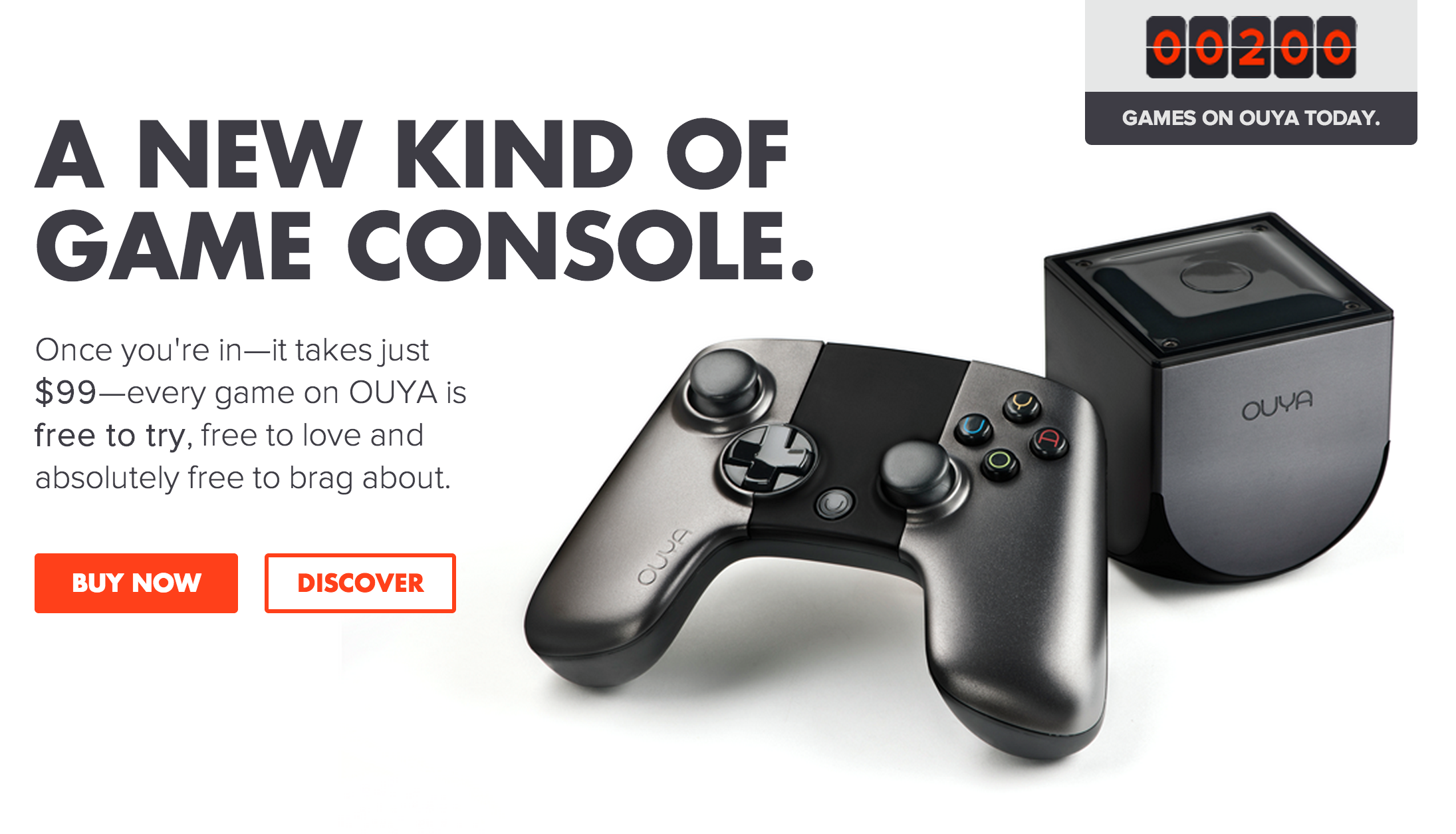
It’s definitely a new kind of game console, but is Ouya the future?
I start this article by saying that I’ve had the Ouya a few days now, and am thoroughly enjoying the emulation software on it. I’ve managed to get my collection of classic Sega and NES games running perfectly, and it really takes me back to my childhood having a dedicated experience for games. When I emulate games on a PC or laptop, I can easily get distracted due to the multitasking nature they inhabit, constantly switching to facebook to message people or jumping out of a game to look up a news article breaks the immersion video games offer. The Ouya fixes this for me by being on a TV like a dedicated games console, making sure I concentrate on just the game, nothing else. So whatever else I say about the Ouya, I do like it, and feel like has a great (if not scary) future. In this article I’ll go through the main points that have stuck out to me in my 4 days of owning the Ouya.
Just in case you’re thinking about buying a Ouya, this is where the batteries go, this took me far longer than I’d like to admit to figure out.
Set up:
One of the first problems you’ll come across when setting up the Ouya is the lack of any good instructions. The instruction manual that comes with the Ouya doesn’t even tell you how to put the batteries in the controller, which in itself is a challenge. I pride myself in being tech savvy, but I couldn’t see a single way into the Ouya controller to insert batteries. Something as small as a little sticker that showed you have to take metal pads off the sides to insert batteries would have sufficed.
Following on from this I had a few problems when entering my card details in the set up screens (it just kept giving me errors saying it couldn’t communicate with the server.) a reset sorted this out, and I was soon onto the main interface.
Discover Strorefront:
The second problem I have to vent about is the store. It looks nice currently, but as others have pointed out, how well will it scale? With 200 games on there currently, it’s fairly easy to find what you’re looking for, but when there’s thousands of games all trying to get your attention? I can’t imagine the trouble devs will have to overcome to make sure their game stands out from the crowd. See below for how it looks, but I can’t help but think Ouya will need a dashboard update soon in order to get around this potential problem.
This is the Ouya Discover page for finding new games. This may currently look fine, but I wonder how it’ll scale.
The search facility does it’s job, but that’s to be expected with only 200 games to search for. I can’t imagine this will change in the future, so there’s definitely a way to find specific games. I just worry for prospective devs that don’t make it to the front page. They’ll have to rely on people specifically finding their game, which can never be a good thing for sales figures. I suppose I see the discover store as a double edged sword, it can be used for good, but could also be a very dangerous place for new starters in the long run. Here’s to hoping Ouya successfully manages this.
Pricing:
One of the biggest problems I’ve come across so far though is pricing on the Ouya. Games are free to play at first, but then must be unlocked, which is a nice try before you buy mindset. At the end of the day though, the Ouya itself isn’t expensive, it’s the games that are. Now I know this isn’t Ouya’s fault, they allow developers to price their own games accordingly, but there seems to be a problem with value perception on the storefront, meaning most, if not all games are aggressively overpriced. Some examples are as follows:
You don’t know Jack: $9.99 for 20 more question packs. (from what I can find, it’s free on Android)
Towerfall: $14.99 to unlock the full game
Little Crane: $5.99
ATR: $4.99
The conclusion I’ve come to is that developers are hoping most consumers don’t know that this is a android console, and therefore perceive game value as similar to mainstream consoles. If this is the case, consumers are used to paying this much for content on Xbox’s and PS3’s, but where this theory falls short is the value to the end user. Most games on the Ouya at the moment are sub par, and I really don’t mean to be harsh, but they really aren’t worth as much as the developers are asking for. If developers were to charge the same amount they are charging on Android phones, then I’d definitely be more inclined to give them a few bucks, but not $10 and $15. Hopefully with time these developers will learn the true value of their games, and price them accordingly.
This is the retail version of the Ouya, which you’ll get if you buy one now. It’s nicely presented, but as the sales clerk at best buy proved, no one seems to know the Ouya exists.
Games:
This is what the console is all about, and should be the core component in which the console shines through. The problem is, this is where the console is having trouble for me personally. Some games work flawlessly with the Ouya controller, where as others are clearly ported straight from a normal android phone and have problems with the controller and the console itself. Some games freeze whilst others just don’t run at playable framerates. (Vector is terrible for this, there are times where the game slows down to a snails pace.) I want to point to one game in particular that showcases all these problems: Shadowgun. Shadowgun was one of the worst experiences I’ve had on the Ouya so far, with aiming incoherent and terrible, framerate issues plaguing every second of gameplay whilst also causing crashes, it ensured I didn’t want to pay the $4.99 asking price, and also ensured I uninstalled it right away. These are just some examples of bad ports, and there are certainly many good ports (Hidden in plain sight is one of the best games I’ve played so far, providing hours of fun.) but I hope this isn’t a taster for whats to come.
Vector was the worst culprit of framerate slowdowns. Hopefully this gets patched in future
This is a huge problem for a console trying to appeal to the mass market. Current owners of Ouya will give it a pass for these problems as most owners will be geeks and hardcore gamers that know what they’re getting, but the mass market won’t be as forgiving.
Final Thoughts:
The Ouya does indeed have the potential to change the future of gaming, I just worry about how it goes about doing this. As mobile phones have shown, there is definitely a market out there for cheap, addictive games; Ouya has to make sure it capitalises on this market and not get confused with the hardcore console market. The reason people love gaming on Android and iOS is the cheap, reliable experience you get for such a small investment, Ouya risks alienating this market by trying to be the jack of all trades. It’s too busy trying to be the middle man, trying to offer a cheap mobile experience, whilst also charging premium prices.
For the coming months, Ouya needs to get a lot of mobile developers on board to make sure they have some quality games to sell the system. It’s the same problem Nintendo is having with the Wii U; you need good games to sell the system.
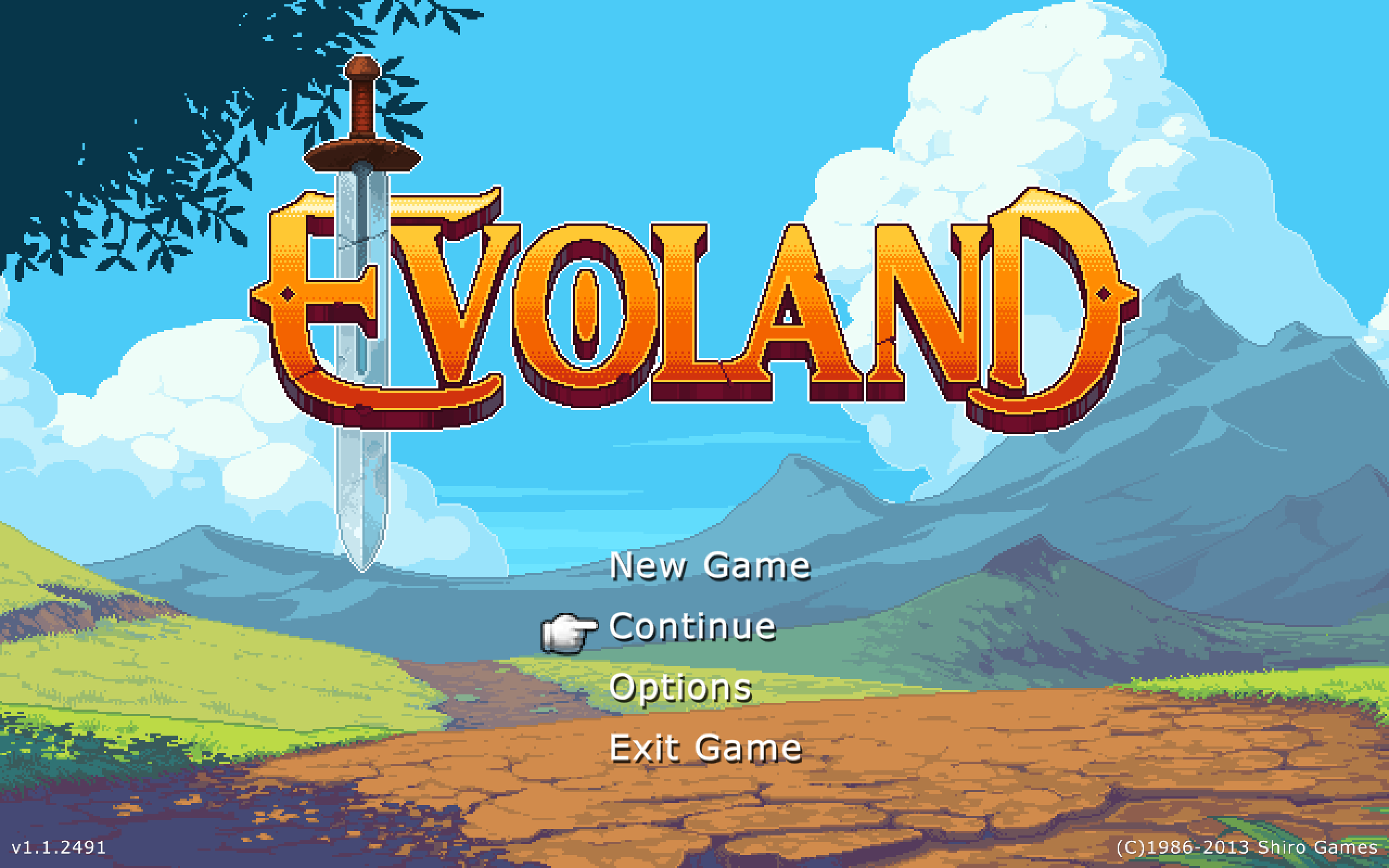
Evoland has peeked my interest ever since I first laid my eyes on it. Similar to DLC quest, you travel through the world of a RPG, constantly upgrading the gameplay/graphics as you progress. This was enticing as DLC Quest was a very short game taking the mick out of the DLC culture, so I wanted to see what Shiro games brought to the table with Evoland, as their marketing approach was definitely different to say the least.
You start the game as a 2D RPG, reminiscent of Final Fantasy games of yester-year. Only able to move in certain directions, you plod along opening chest after chest. Each chest gives the game a new look or feel, one chest gives the game colour, the other, the ability to move in all directions. It all quickly adds up, and soon you’re walking around the world like you’re in a Zelda game.
I kid you not, this is definitely Evoland you’re looking at, and not Zelda.
The game doesn’t end there, making sure to keep evolving the graphics and gameplay to the point you’re using different systems for different locations. In dungeons you’ll fight like Zelda, pushing blocks to open doors, killing enemies to unlock levers, it all is very familiar, where as in the main world map, you’ll fight creatures like in a Final Fantasy game; a turned based system where you also level up and acquire gold.
Attention to detail is pretty cool here, Evoland loves to flaunt so many recognisable franchises with a little twist.
All of this alone wouldn’t be enough to keep a player enticed for 3-4 hours, so Evoland does have a plot, but I use that word loosely. The plot is only introduced after 20 minutes of playing the game, and even then it’s a sentence or two. This means players will spend the first 20 minutes walking around for the sole purpose of seeing the world around them evolve, which isn’t bad, its just schizophrenic that the game seems to take both the world and the plot seriously, without ever intertwining the two. The plot feels separated from the game itself, so you end up not knowing whether the story is a joke or a serious tale.
The Final Fantasy rendered town is pretty cool, and definitely gave me nostalgia for FFVII.
Gameplay was fine and enjoyable for the most part, but there were times when the dungeons would become frustrating and dubious to finish. Such times relied too heavily on the Zelda mechanics of the game, which was a fairly flawed fighting system, and after dying meant you’d have to start the dungeon again and again. It became annoying, but persistance prevails is the only advice I can give to those wanting to give this game a go.
Loved this shout out to the FFVIII card mini game. Cards can be collected through the main campaign and used to verse the AI in one town.
Pros:
Great little history lesson in RPG’s
Great graphics for each style
Cons:
Plot doesn’t live up to the standards set by the gameplay
Certain dungeons/levels aren’t well thought out, resulting in numerous retries
Overall, Evoland is a good game for a first time studio, and certainly lives up to its trailers and hype for showing the world the Evolution of RPG’s. Where the game falls short though is in its ability to become more than DLC quest’s mick take of the DLC phenomenon, and become a real game in its own right.
Evoland is on sale at the moment on Gog.com for only $5, so I’d say its worth a play for its price.
I apologise for this weeks review, I haven’t been able to concentrate and I feel it shines through in it’s coherency. Being in the middle of a desert doesn’t help with my concentration. Without further hindrance, here’s this weeks review:
Yep, it’s the fifth one
It’s hard to write about Dead or Alive 5 as a standalone product, I feel I have to compare it to previous games in the series, which is a shame in its own right. Dead or Alive 4 was a great launch product for the 360, which I enjoyed playing with friends and alone, but I don’t think DOA5 quite lives up to that name in its own merit. I’ll split this review up into segments to better portray my feelings.
Combat:
Combat has slightly changed from the previous games in the series, meaning it took me a while to adjust to the new control system in place for fighting. Character’s combos have definitely taken a turn for the worse in my opinion, making combat a clunky affair. In previous DOA games, it was all about the button presses that defined what your character performed, in DOA5 it tends to be reliant on the direction you were pressing before pressing either punch or kick. It threw me off, I used to be able to thrash people with Kasumi, but I was found at a loss playing as her here.
The same counters still work, but I found the timing to perform them have changed, meaning a lot of the time I was just stood there getting punched to death or countering the air as my character done the counter too late. I don’t know whats changed, but the engine doesn’t feel a versatile as DOA4.
Graphics:
Graphics have certainly improved over the previous game, but not a huge jump. Characters sweat throughout a match, dripping when the winner is declared; Hair is fantastically rendered and realistic. One place you can notice the graphics improvement are the stages, where explosions and physics are far more realistic than previous games.
Story:
I really don’t know what to say about the story of DOA5, and thats a bad thing. It all seemed so non-sensical, fights were started over food, or because someone disputed another characters dress sense. I felt like the 3 hour story mode was silly, and had such a loose plot that it was abandoned for the middle 2 hours. You could summarise it all by saying: ninjas looking for a clone, ninjas find clone, clone gets killed, everyone happy.
Pros:
Solid fighting experience (not as good as previous games, but still solid)
Great character line up
Cons:
Deluded storyline
Slightly laggy fighting engine
Overall, if you want to play a fighting game with a few friends then DOA5 will do the job for you, just don’t expect too much. It’s definitely an evolution from DOA4, but not by much.
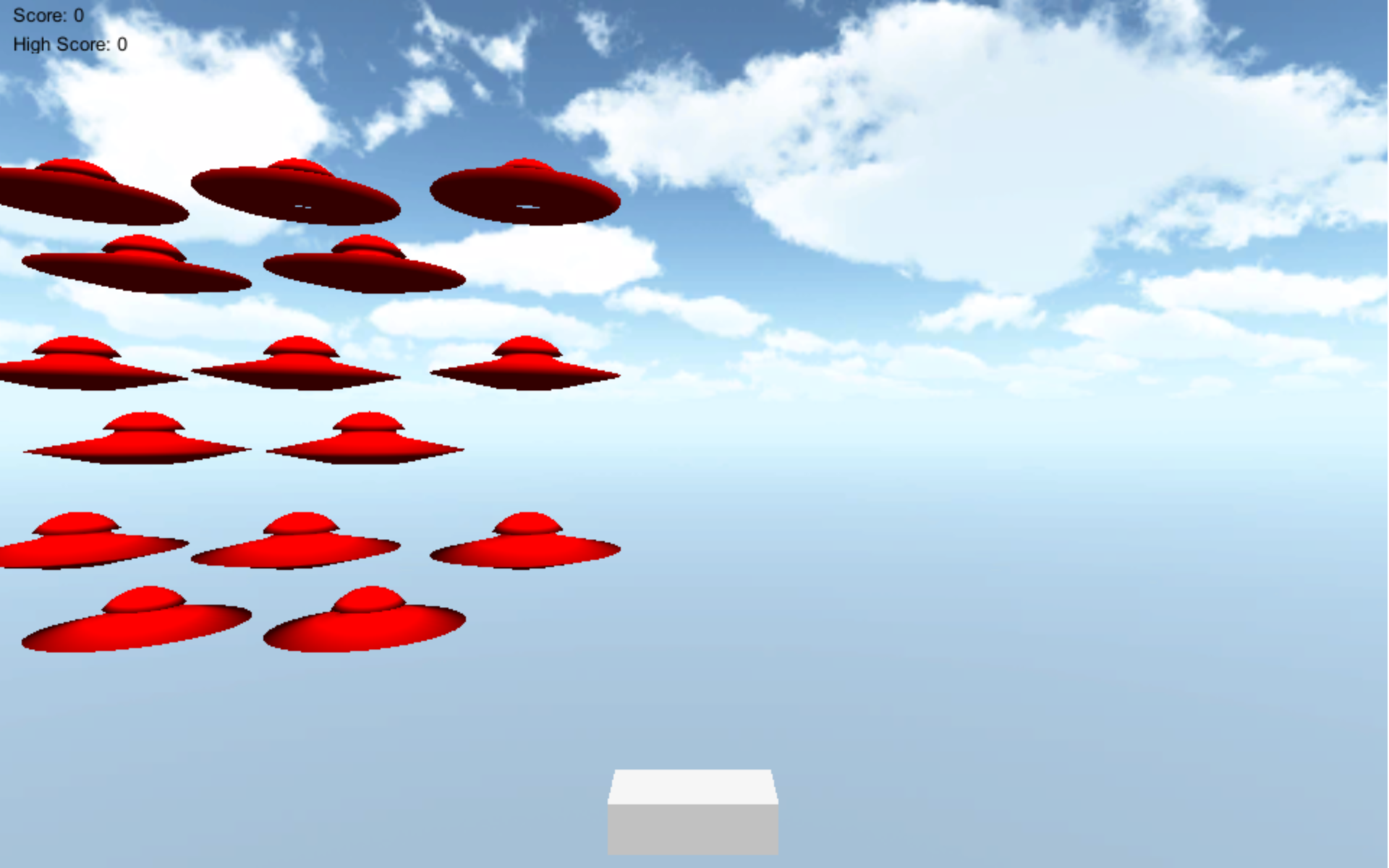
So recently I’ve been working on gaming tutorials to get me back into game programming, which has been great. My recent project is below, it’s a space invaders clone, where you use z to fire and the directional buttons to move left and right.
Following on from last week I decided to play Thirty Flights of Loving, the sequel to Gravity Bone. This one was kickstarted as part of the Idle Thumbs podcast, and eventually was released to steam for download. It follows on from the themes and story outlined in Gravity Bone, and even has more depth than the first.
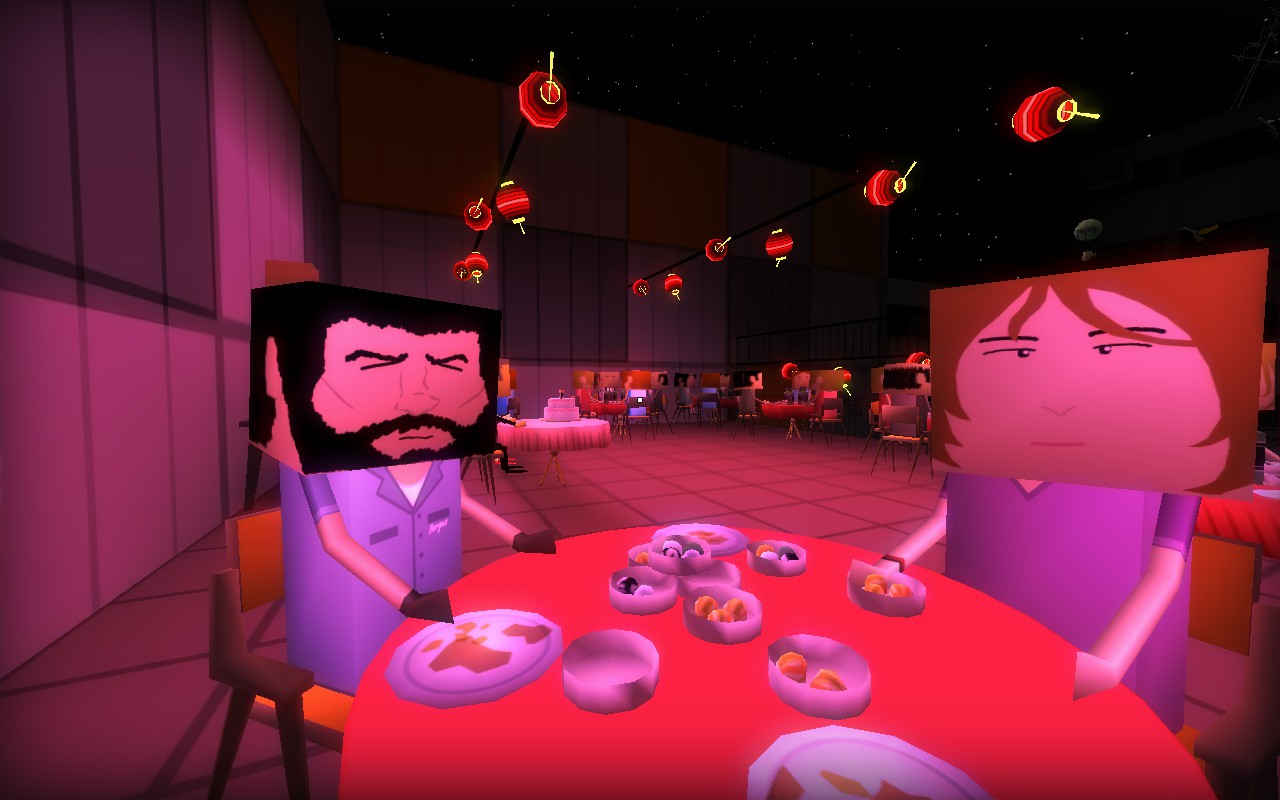
Yayyyyy a wedding, I do love to drink at these
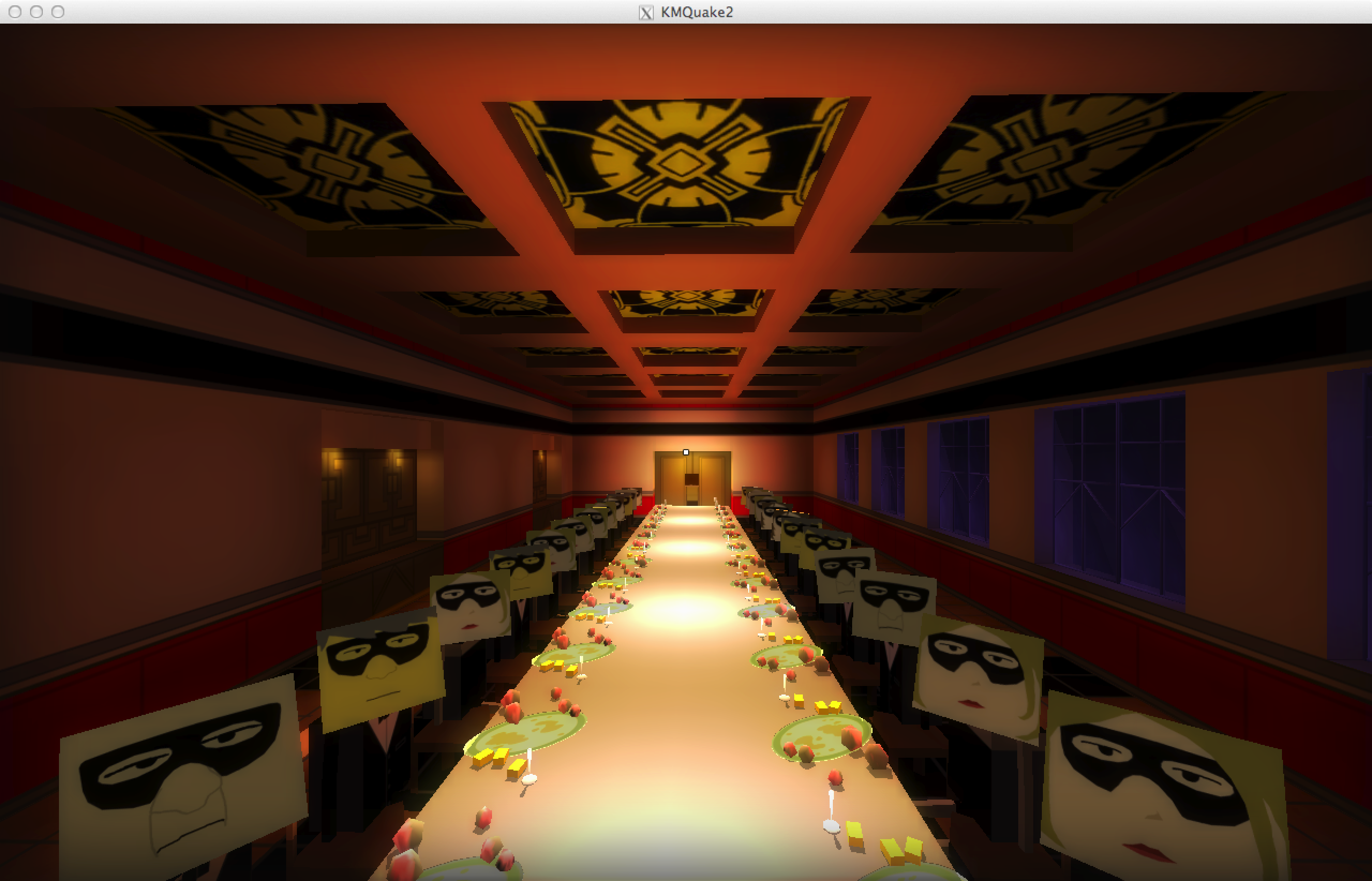
You start Thirty Flights of Loving as an agent that must find his way into a secret hide out. A small poster on the wall explains the controls, and with this the game sets you on your way. Its once you set out on your mission is where you Now it may not be a coherent story, but its you that must do the job of making it one, constantly guessing whats coming next only for your presumptions to be turned upside down.
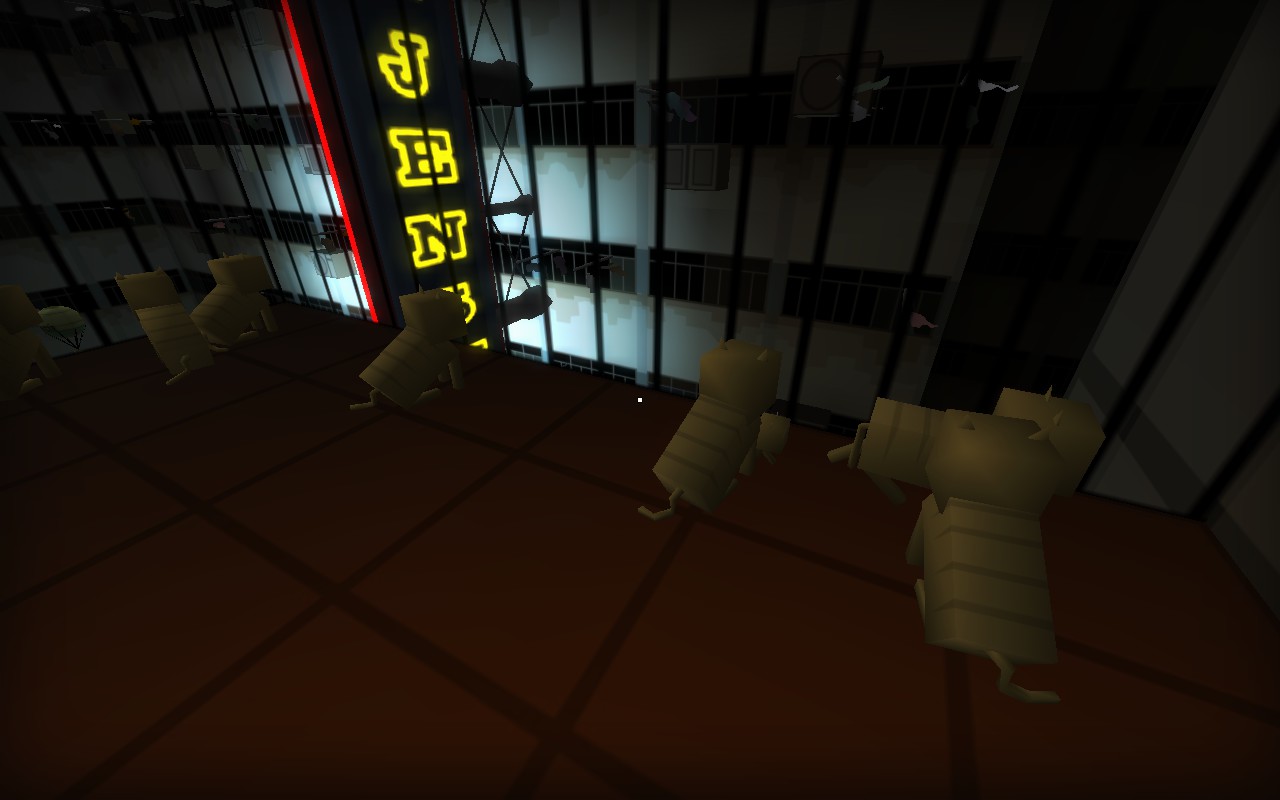
All the Cats!
Game mechanics are fairly straight forward, you no longer have to use freeze spray or hammers to unlock things, instead this is a linear experience where you press E to interact with things or use WASD to move around. This isn’t a bad thing at all, but I did like the freeze and hammer combination in Gravity Bone, and would have liked Blendo Games to give it a go at other control systems, breaking them down to their core values.
Thirty Flights of Loving has all the core values which make up a AAA game, but does so at such a simple level that it’s hard to see them. The story is told in such a fantastic way, but misses a lot of specifics, so you’re left guessing as to why things are happening/what happened. This isn’t a bad thing at all, and in fact makes the player use their brain for once to create a narrative rather than just being a set of eyes. If leaves you feeling genuinely happy when you finish the game, a feeling that is hard to come by with modern games.
This guy’s hard as nails
For its price, Thirty Flights of Loving is worth the investment, and certainly adds a depth to what Gravity Bone started. It’s currently £3.99 on Steam, which is great value, if you’re not sure about that (it is a short game like its predecessor) then it is on sale quite often, I think I picked my copy up for £1.49. Give it a go if you like Gravity Bone, you won’t be disappointed.
For this week, I decided to write about something that is renowned for being short, but shouldn’t be disregarded for being so. I’m technically on holiday for the next 3 months, and will definitely continue with my weekly gaming, but they may be smaller games. Hope you enjoy reading this, and I will update this blog more regularly on my game development progress.
Gravity Bone:
I don’t know what I done, but it couldn’t have been good
Gravity Bone is a small indie game made by Blendo Games, (A one man team consisting of Brendon Chung) and when I say short, I mean 20 minutes to an hour short. This isn’t detrimental to the game in any way, just be warned and don’t be surprised when it abruptly ends.
In this short time, Brendon manages to create a narrative that would rival even the biggest of games, something that’s constantly got you questioning what’s going on and what’s the big picture. It’s certainly effective, playing from the “less is more” ideology, but can leave players feeling bummed out that they’re missing something, which is exactly as I felt until I thought it all over to write this review.
Time to get to work
Gravity Bone consists of 2 acts: the game starts out at a party, where you have an invitation which tells you to make your way to the furnace room. It’s in here that you find that you’re actually a spy who has a job to do. You need to bring a drink to a person with red hair, whilst dressed like a waiter. This is where you discover this is indeed a game, albeit stripped to it’s core. There’s no tutorials, no set up, you just do the job the game tells you to, and get on with life.
The second act entails taking pictures of “birds”, bringing new game mechanics into play to open locked doors with your trusty hammer and freeze spray. It’s a pretty good idea, and one that allows you to figure out how to open doors yourself, with no tutorials or instructions. This second act is where the game opens up, and gives you more glimpses of story, but these are merely glimpses, meaning you need to piece it all together yourself to make sense of whats going on.
Pretty ingenious to freeze locks before smashing them with a hammer.
Overall Gravity Bone shows the core mechanics of a game, without bloating itself just for the hell of it. If you want to learn the core mechanics that go into building a game, play Gravity Bone, it’ll show you the way. It’s free to download and play, and will work on Mac and PC, so give it a go.
Note: I wasn’t going to write a full review for Thomas Was Alone due to a bunch of other games I’ve been playing, but I then realised that just because it’s an indie game, doesn’t mean it shouldn’t get treated the same as Triple-A budget games. Especially due to how much this game touched me and made me rethink my own ideas on platformers and characterisation. So here it is, a review on a relatively recent indie game, enjoy!
Thomas Was Alone is a platformer stripped down to its core mechanics, a player moves a character across the screen trying to get from point A to B using different techniques. It’s not only stripped down to its core mechanics in gameplay, but also in graphics, with every character being simple geometric squares and rectangles which can move at different speeds and jump at different heights.
As simple as this looks, this is the core concept of the game, get your character (in this instance Thomas) to the white square in which he fits. It’s simple, but fantastic.
Everything that I just said about the game may have you thinking: “Why on earth would I want to play a game involving squares and rectangles jumping around and on other squares and rectangles?”, the answer? Story. Yes, as much as you wouldn’t think you could make a story out of any of this, there is a fantastic story to be told about each of the shapes, each of them having their own personality, each having their own motives and ambitions. It really sets a precedent for the whole gaming industry by saying that you don’t need pretty and realistic graphics to feel emotionally attached to someone, or to be empathetic towards another character.
Different characters have different uses. In this example, Chris (the Orange square) is small, so can press the switch for Thomas, but Chris can’t jump high, so needs Thomas’ help.
To say that Thomas Was Alone is a linear game only explains a little of what makes the game charming. Yes it is linear, but it never tricks you into thinking its anything else. There is always a puzzle to be had in each level, and there are sometimes multiple ways to solve it. Levels are designed to introduce each characters quirks, and then open up to allow you to exploit their advantages to the team as a whole, ensuring you use team work and co-operation to get through levels, which in turn ensures the gameplay follows and enforces the narrative of the story. It’s all a fantastic cycle.
Narration is a strong point for the game, allowing you to learn each characters quirks whilst solving the puzzles. Here, John (the yellow rectangle) is shown to be the show off type
The Narration of the story is done by Danny Wallace, (who has done previous voice work as Shaun in the Assassins Creed series) and it’s a perfect fit for the tempo Mike Bithell was trying to portray. The game just flows, meaning you get so hooked and want to learn more about each character that before long you’ve played hours without realising.
Pros:
Amazing characterisation
Brilliant story
Great puzzles
Cons:
Shorter than I would have liked
Thomas Was Alone is available on Steam for both Windows and Mac, as well as PS3 and Vita, so I hugely recommend everyone give it a try. It’s not going to be everyones cup of tea, but I enjoyed every minute of it, to the point that it’s changed my perception on game design, and for that, I thank Mike Bithell.
Her dress is made from her hair, how cool is that?
Oh Bayonetta, I’ve been meaning to play you for years but never found the time to fit your into my schedule. I’ve owned you since you first was released onto the world, and my oh my how I was a fool to disregard you for so long.
As you can probably tell from my little burst above, I enjoyed every minute of Bayonetta, and not just because of the main character. Everything from game play, to the style, to the music entranced me to my very core, making sure I constantly progressed until I had taken in all Bayonetta had to offer.
So firstly: the game play. Bayonetta is a action game, if you’ve ever laid your hands on a Devil May Cry title in the past then you already know how this game will go, the difference you’ll find is the execution. In Devil May Cry games, or even God of War for that matter, you find a very serious plot and the action enhances the seriousness, deepening the urgency of what Dante or Kratos is doing at the moment in time; for Kratos it expands the goriness, Dante the emotion. In Bayonetta on the other hand, the action is an extension of the fun and mischief Bayonetta takes in her stride. Every action, every move, every attack all seeks to enhance the richness of this world in which angels and witches constantly fight, and Bayonetta just wants to have fun, even when things get serious. She twists and turns around the battlefield like a pole dancer, being majestic, but with a slight sense of sexiness. To put this in perspective, it speaks volumes to the fact Bayonettas dress is made out of her own hair, so when she does powerful witch spells to defeat opponents she has to go naked in order to summon her demons. It’s tongue in cheek action, but it’s stylishly done.
The story leaves some to be desired, but overall does the job to integrate all the characters into one solid narrative, even if it is slightly confusing and doesn’t really explain/introduce key characters until the last 2 chapters. it’s still a story though, and that counts for something right?
The combat system is spot on, making it fantastic to land massive combos, and the game really makes sure you can dodge attacks at any moment, drilling it into your head from the get go, and actually pushing it further by making puzzle sequences use the dodge mechanic too. Each fight sequence is given a ranking, to let you know how well you took on a group of enemies, this is mostly determined by how much health/items you used, but also takes into consideration your combo count. It is certainly addictive, and will get the hardcore players coming back time and time again to try and get a platinum on every level.
One thing I will say about Bayonetta that I need to say with all the talk about sexism in the games industry at the moment: Bayonetta in my opinion is not sexist. The marketing/promotion of the game may be sexist, but the character and the game that centres around Bayonetta are not sexist at all. Bayonetta is a strong, independent woman who in fact belittles the few men she does encounter in the game, making me jealous and even respect how strong she is as a character. It speaks volumes to how Sega have made sure to walk a very fine line between marketing her to the biggest demographic, whilst also maintaining the characters main strengths, ensuring she doesn’t become a mere sex icon to be added to the games industry. I hope those people who also play Bayonetta feel the same way, and I’d be happy to discuss others opinions on the matter.
Pros:
Fantastic level design
Combat is fast, reactive and addictive
Very high replay-ability
Cons:
Story isn’t very clear, could do with a lot more explanation
Although Bayonetta may be old, if you haven’t given it a go this generation, I’d recommend you do. It is the pinnacle of what a action game can amount to when the developer has one specific goal in mind, and it has definitely left a lasting impression on myself.